CdM Resident Jim Abbott’s No-Hitter

Picture of Tom Heffernan

Tom Heffernan

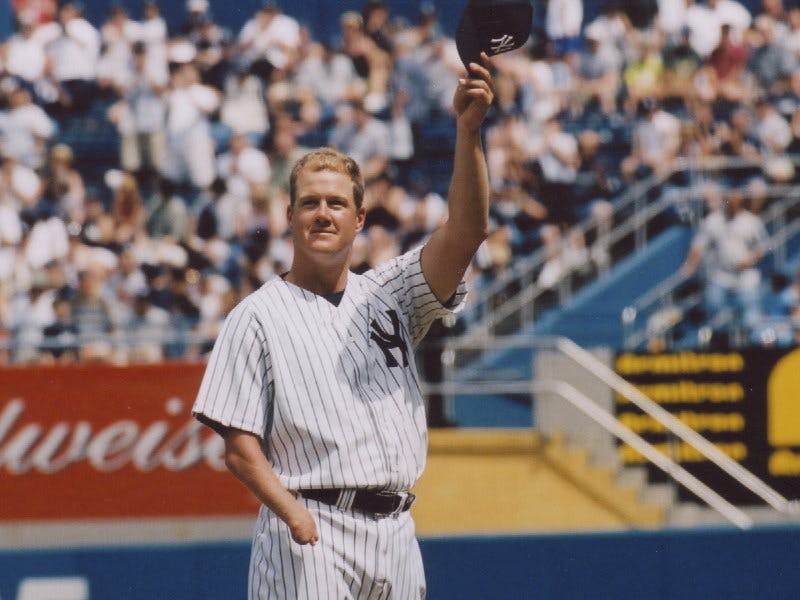
Jim Abbott receives a standing ovation from the Yankee Stadium crowd. Photo: jimabbott.net

27 years ago today, CdM resident Jim Abbott pitched a no-hitter for the New York Yankees.  Only 10 Yankees pitchers have thrown a no-hitter in the franchise’s 120 years.  What makes Abbott’s no-hitter even more remarkable is he was born without a right hand. ​

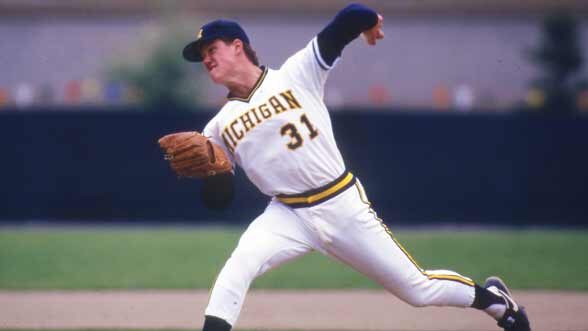
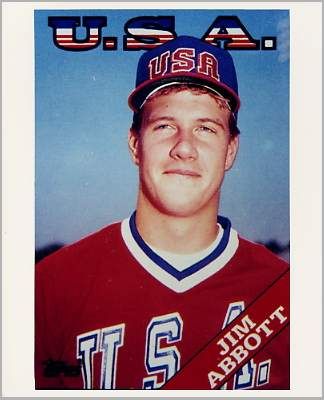
Abbott won the Golden Spikes Award at Michigan as the best college baseball player.

Born in Flint, Michigan, Abbott had a 10 year career in the major leagues after being drafted by the Angels following a standout career at the University of Michigan (Go Blue!).  As a sophomore at Michigan in 1987, he won the Sullivan Award as the Nation’s Top Amateur Athlete, the Golden Spikes Award as the top college baseball player, and became the first US pitcher to beat the Cuban national team in Cuba in 25 years.  As a junior, he led the US to a Gold Medal in the 1988 Olympics, beating Japan in the final game in Seoul. ​

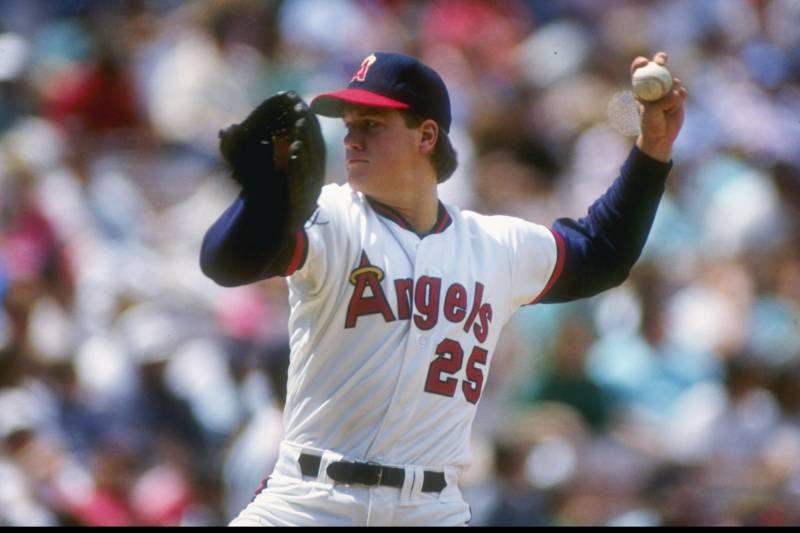
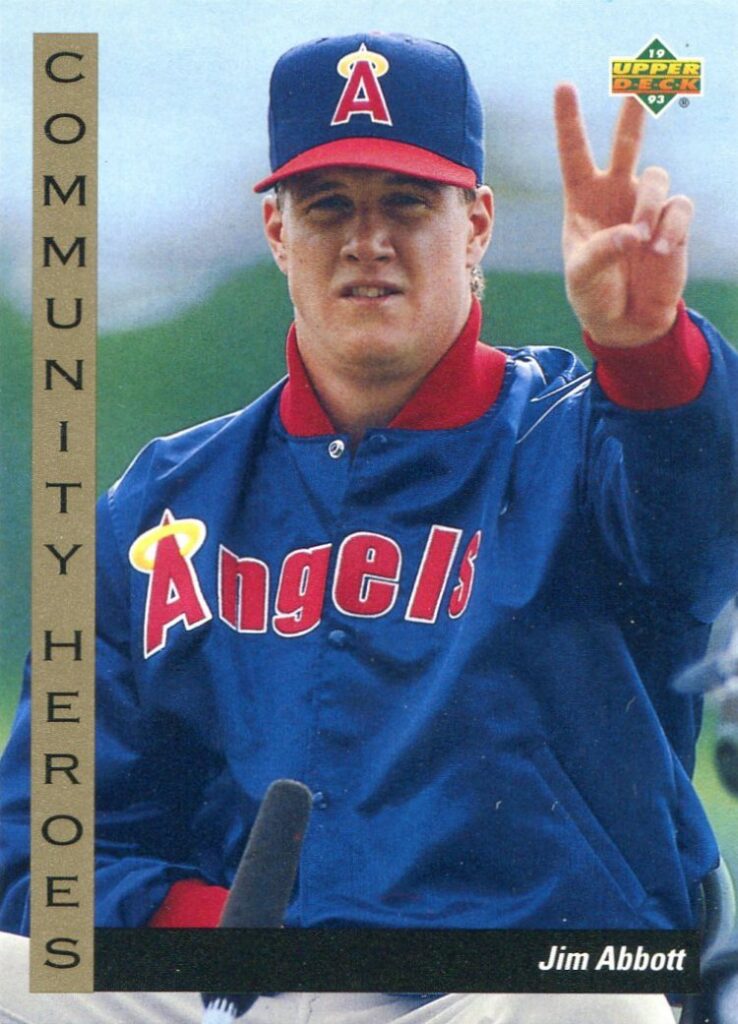
He went straight from college to the starting rotation of the Angels without ever spending a day in the minor leagues. In 1991, he finished third in the voting for the Cy Young Award, given annually to the best pitcher in the league.  He played 4 seasons for the Angels before they traded him to the Yankees in a cost-cutting move.  He played 2 seasons in New York before signing with the White Sox who traded him back to the Angels, where he played 2 seasons before closing out his career with the White Sox and Brewers.

Abbott pitched for the Angels for 6 seasons. Photo: Stephen Dunn/Getty Images

Abbott retired from baseball in 1999 and raised two daughters with his wife, Dana, in Corona del Mar.  Both of his daughters, Maddy and Ella, grew up to be standout athletes and followed in his footsteps by playing Volleyball and Water Polo, respectively, at the University of Michigan (Go Blue!). He is in demand as a motivational speaker and heavily involved in children’s charities. He has twice been named the March of Dimes Athlete of the Year, and received the Freedom Forum’s Free Spirit Award for his charitable work. He’s still very involved in disabled children’s causes and continues to make appearances for various charitable organizations. His autobiography, “Imperfect: An Improbable Life”, is available at the Newport Beach Library and on Amazon.

Abbott's autobiography 'Imperfect: An Improbably Life' is available at Newport Beach Libary.
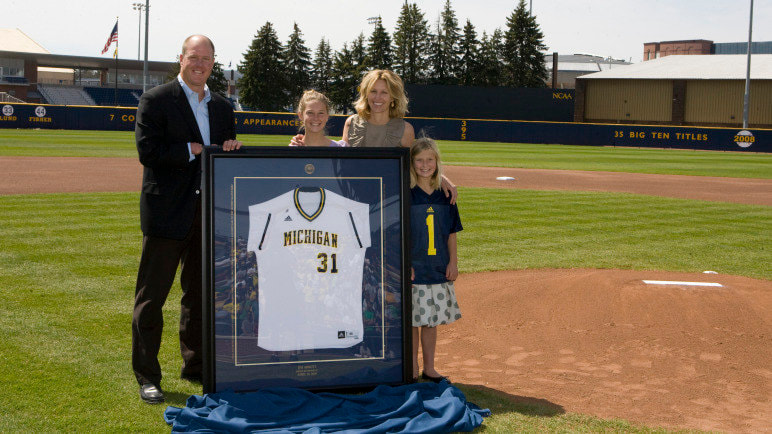
Michigan retired Abbott's jersey in 2009. Both of his daughters would go on to play sports at Michigan.
Abbott is well known for his work with children's charities during and after his baseball career.

The Story of Corona del Mar’s Founder

Picture of Tom Heffernan

Tom Heffernan

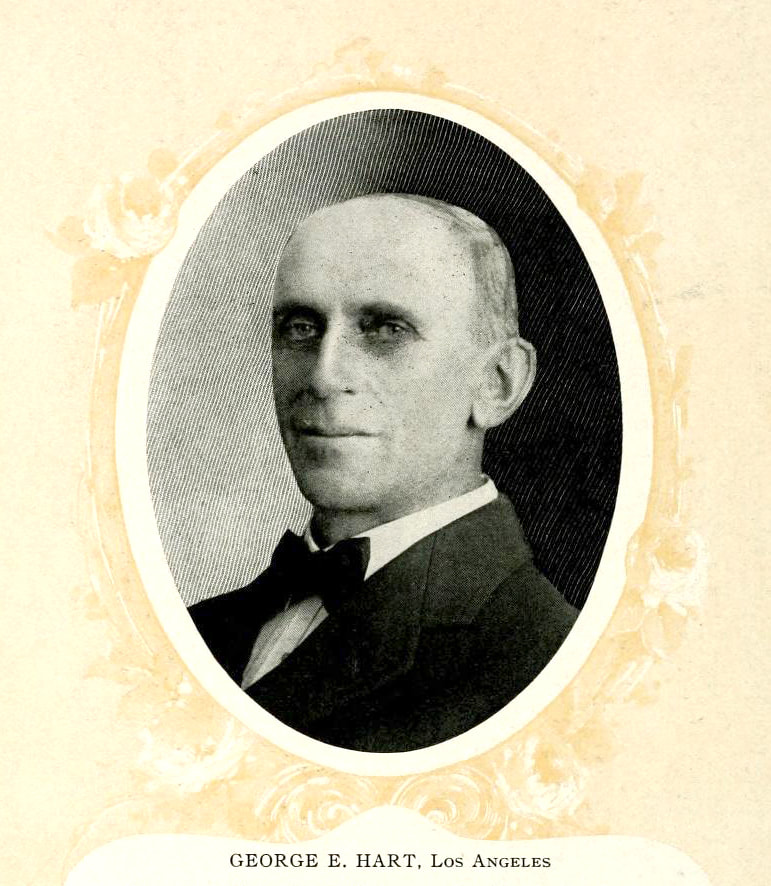
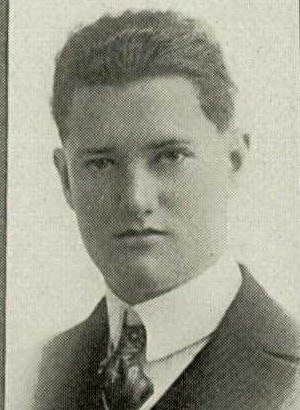
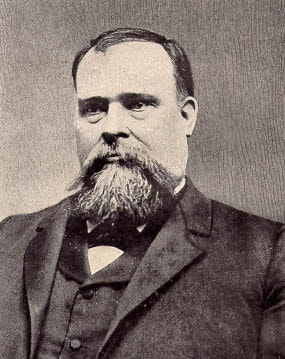
Hart was featured in Robert Burdette's 1910 Los Angeles & Southern California Profiles

One hundred years ago today, George E. Hart (Nov 6, 1859-Jun 24, 1920), Corona del Mar’s founder and developer, died in Los Angeles.  While details of his historic purchase of Corona del Mar have been widely reported, almost nothing has been written of Hart’s life.  We spent some time digging into his past to learn more, even tracking down his granddaughter, Mareta Hart Ellmore. She is still alive today and living in Orange County, having spent a good portion of her life in Newport Beach and in the city her grandfather named The Crown of the Sea.  

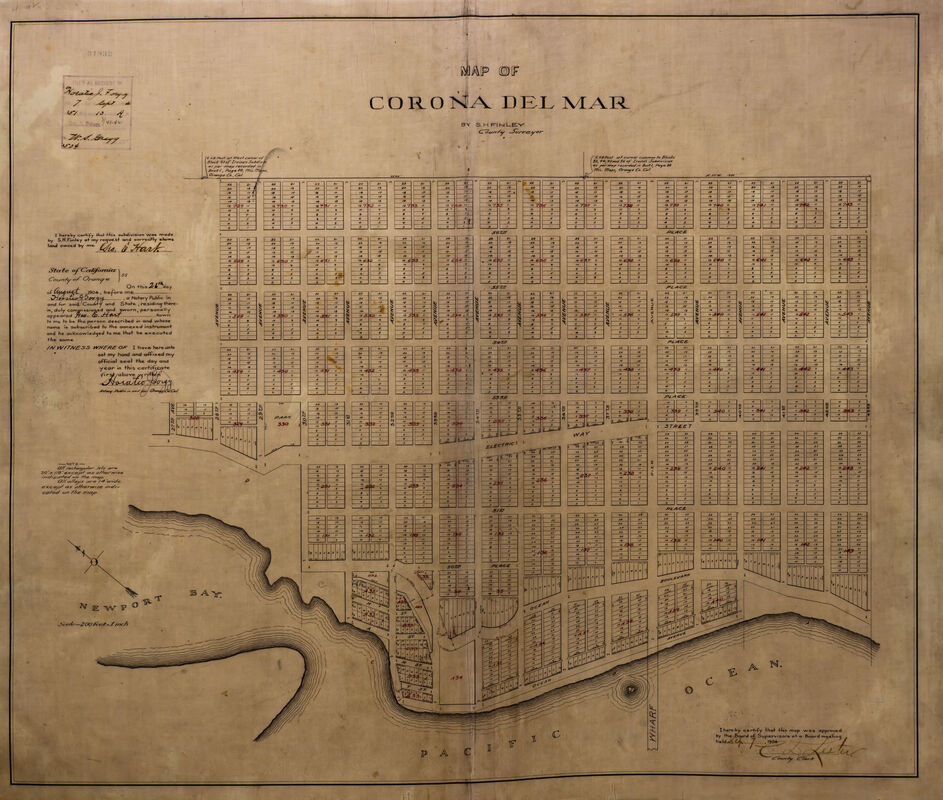
Original Subdivision Map for Corona Del Mar
​George Hart was born into a modest farm family in rural New Hampshire.  The youngest of six children of Edward and Sally Hart, one older brother died in infancy and his two oldest sisters died of tuberculosis by the time he was 15.  Perhaps these early losses forced him to grow up quickly; he got into the lumber business at a young age.  By 18, he had built his first lumber mill and by his late 20s, he owned three lumber mills in New Hampshire.
 
​At 27, he married his first wife, Ita Belle Carter, a 21 year-old music teacher.  A couple years later, he sold off his mills and he, Ita, and his older brother, John Fox Hart, would move out to Washington state.  There he started more lumber mills, with he and his brother also starting the Tacoma & Eastern Railroad Company, which they used to transport the timber. 

​He seemed to build on his success and fortune during his five years in Washington, although not without controversy. The newspapers wrote about one of his mills burning down: rumors of arson, and a well-publicized lawsuit with the insurance company, which he eventually won.  He and Ita split while living in Washington; she returned home to New England.

Perhaps looking for a new challenge, Hart moved to Oakland in 1896 and got into the real estate business.  He made his way to Los Angeles by 1900 and got into business with Henry Huntington, whose Pacific Electric Railway would figure into his plans for Corona del Mar.  In 1903, he married May Evelyn Guertin, possibly meeting her on one of his trips back East to visit family, as she was living in Fall River, Massachusetts at the time. 

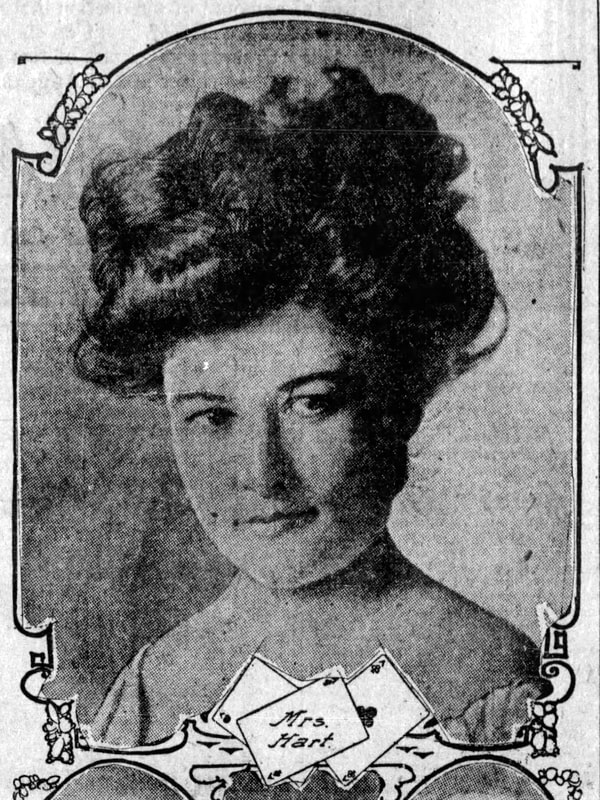
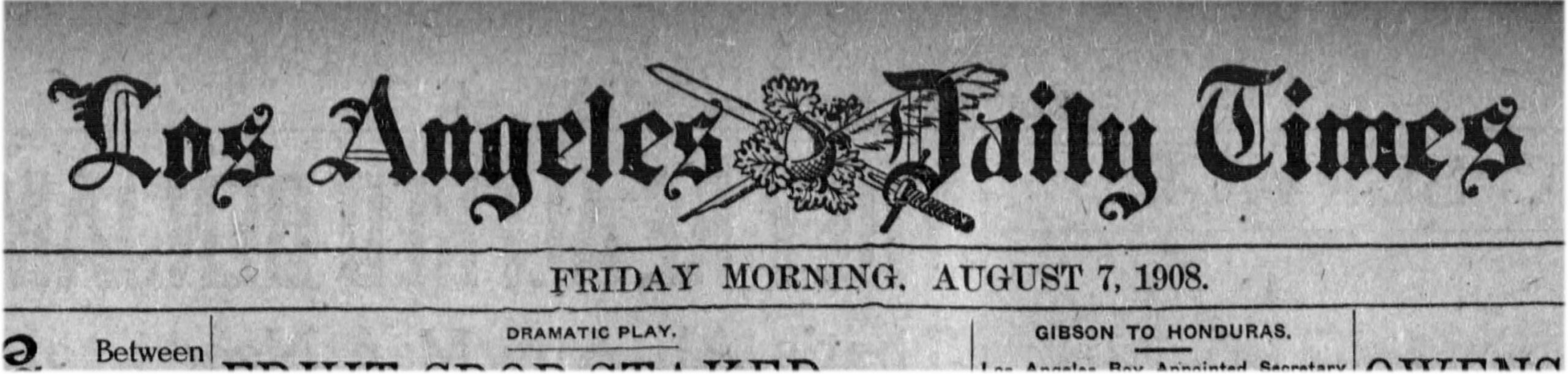
May Evelyn (Guertin) Hart from August 7, 1908 story in the LA Times

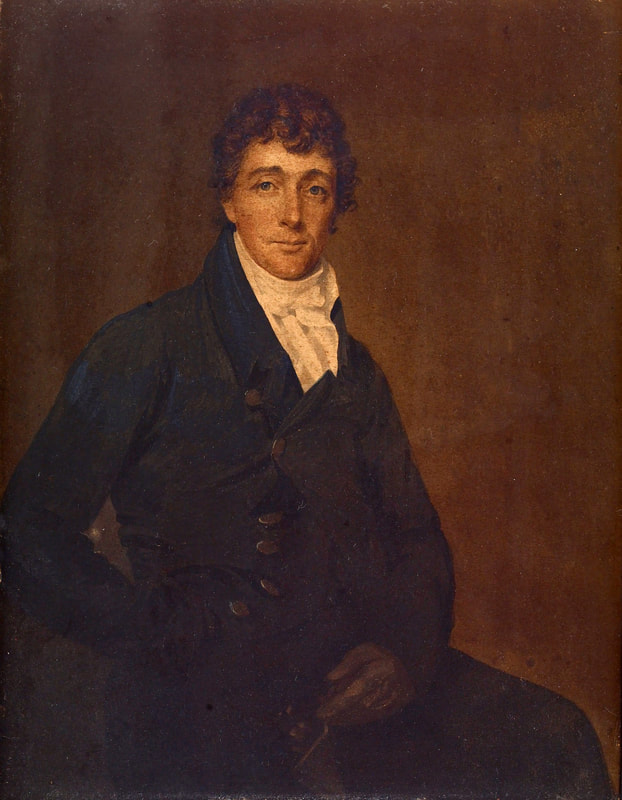
May Evelyn was perhaps everything that Hart was not.  Born into a high society Texas family, her great uncle was Francis Scott Key, who penned The Star-Spangled Banner. Her grandfather had surveyed the Texas-Mexico border for the US government, her relatives were in prominent political roles in Washington D.C., and she was a personal friend of Texas Governor ‘Big Jim’ Hogg.  “She was very beautiful, sophisticated, and outgoing,” recalls Mareta.  “She was an exciting person.”  While Mareta was only four when May passed, she recalls many stories from her parents about her.

Like George, May had been married once before.  She married Arthur Jalbert when she was 19 and gave birth to a son, Victor Key, a few months later.  They settled in Fall River, and the marriage would last only a few years.  The then 27 year-old, would eventually marry the 44 year-old George Hart in 1903.  She and Victor, who would take Hart’s name for the rest of his life, moved to California.

Hart was featured in Robert Burdette's 1910 Los Angeles & Southern California Profiles

While already a very wealthy man at this point –  with May as his wife and business partner, the next decade was very prosperous for Hart as he became one of Los Angeles’ most prominent businessmen. Hart & Co. made major land purchases throughout Southern California; investments in Pomona and Long Beach were among some of his larger deals, but it was clear that the purchase of Corona del Mar was special to Hart and his family.  Perhaps as a way to promote his land, whenever Hart was profiled his mansion in Los Angeles was mentioned but it was always followed by his summer home in Corona del Mar and the mile of ocean and half mile of bay frontage were prominently mentioned. 

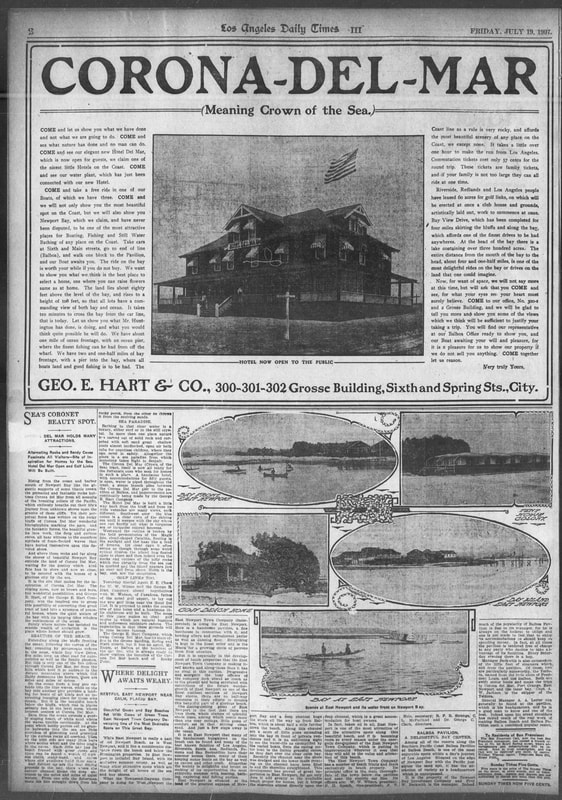
Hart's Full Page Ad for Corona del Mar in the LA Times in 1907

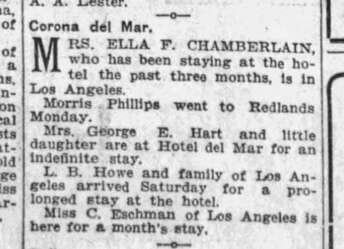
The year 1904 was a special one for Hart as he made his historic purchase of Corona del Mar from John Irvine II and in the spring, May gave birth to his first biological child, Sally Juanita.  Over the next few years, the society pages often mentioned that George, May, or both were traveling with their children down to Corona del Mar for vacation, staying at the newly completed Hotel Del Mar.  Mareta heard very few stories about George from her father, Victor, who was often away at private school, but he would speak fondly of the summers he spent with George in Corona del Mar.

LA Times, August 29, 1909, page 36

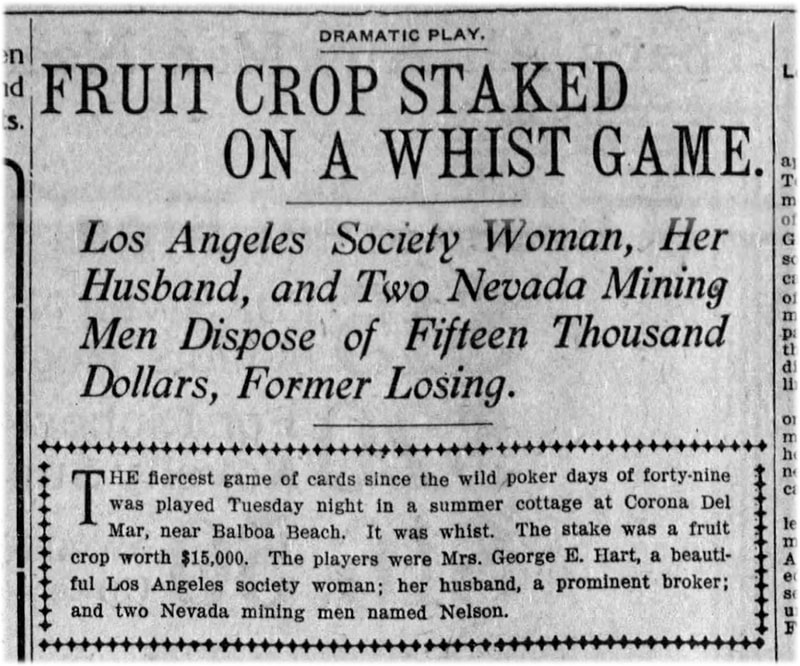
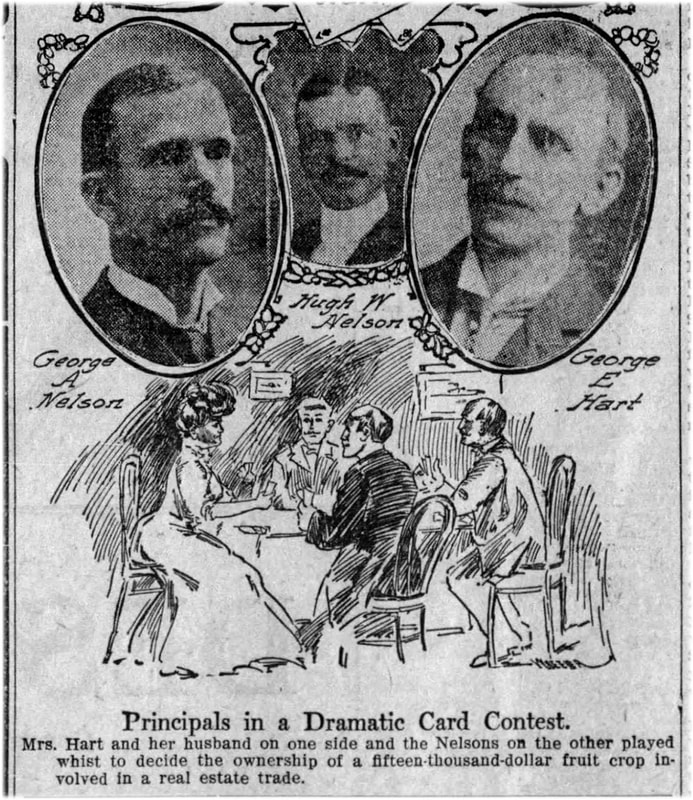
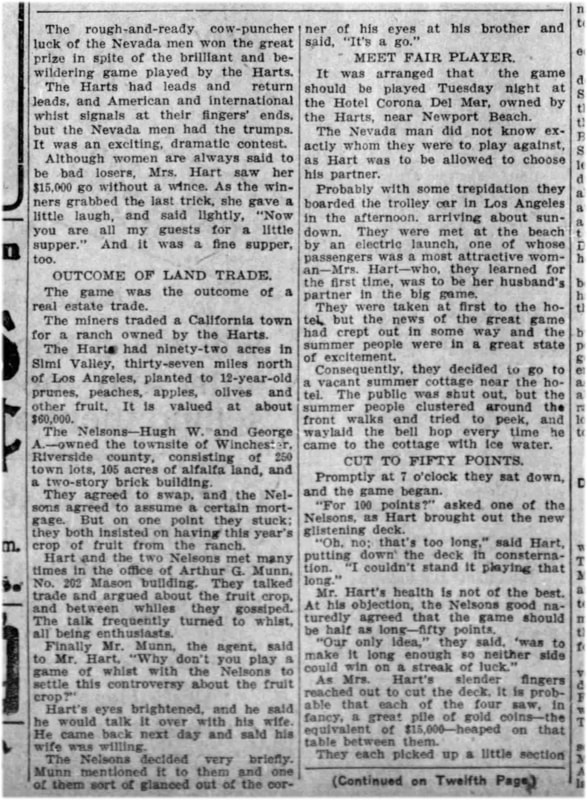
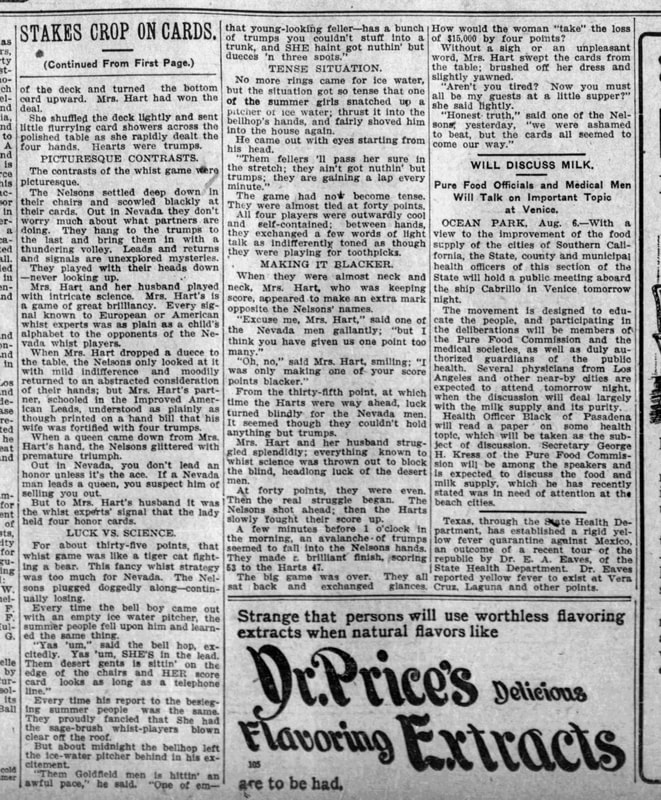
One of George and May’s most notable visits to Corona del Mar – making the front page of the LA Times – involved a card game with a pair of Nevada miners to settle a land dispute.  The Harts traded land in Simi Valley for a town in Riverside County and they disputed who owned the existing crops on each land at the time of the trade.  They decided they would play a card game – whist – to determine who would get the crop, which was valued at $15,000 (over $400,000 today).  The Harts invited them to play down in Corona del Mar; it was originally set at the Hotel Del Mar but it drew so much local attention that they moved it to a nearby beach cottage.

LA Times Story on the Hart's Wist Card Game in CdM from August 8, 1908

The article recounts the game and also demonstrates May’s charisma and charm as the writer seems hypnotized by her every action.  The article’s focus is not George Hart, the multi-millionaire real estate developer, but Mrs. George Hart.  Despite some skilled play, the Harts ran into bad luck down the stretch and ended up losing the game, but not their decorum.  The LA Times reported, “Without a sigh or an unpleasant word, Mrs. Hart swept the cards from the table; brushed off her dress and slightly yawned.  “Aren’t you tired?  Now you must all be my guests at a little supper?”

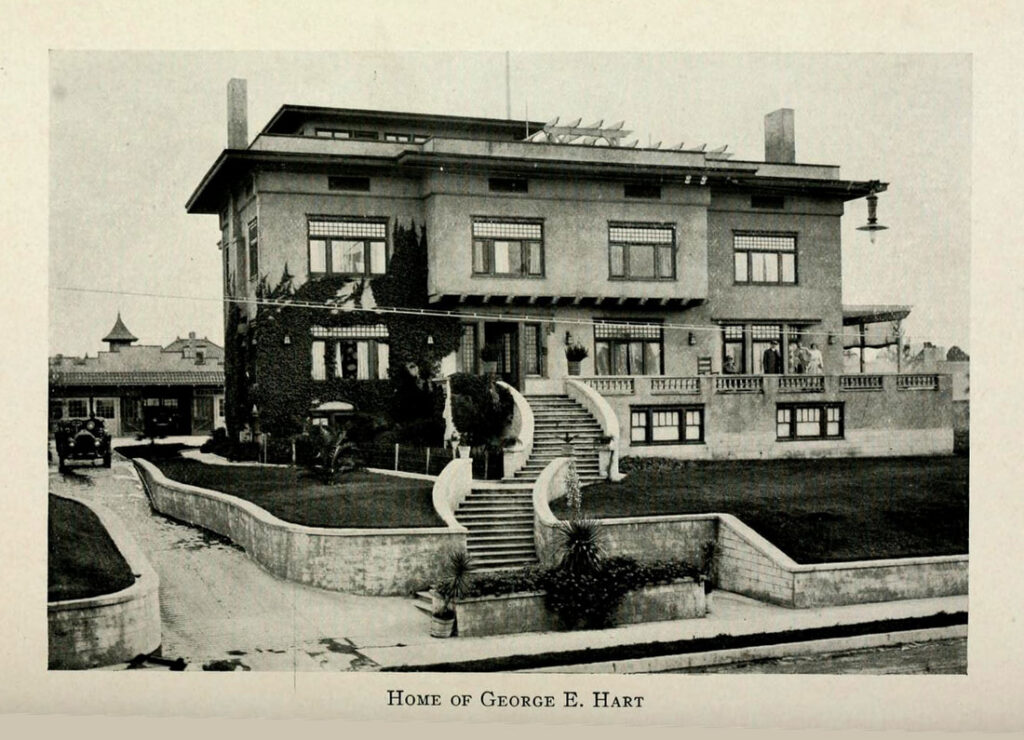
​In the Summer of 1910, at age 50, George Hart reached the peak of his life both personally and professionally.  His mansion in LA was described as “one of the most completely equipped homes in the city” and it featured a $6,000 pipe organ (over $160K today). As he arrived in Corona del Mar that summer with his beautiful wife May (now 34, she lied to the census taker and was listed as 30), 6 year-old Sally, and his 13 year old stepson, Victor, home from boarding school for the summer, they could see the first residential homes going up on the Bluffs.

Hart's home at 201 S. Bonnie Brae, Los Angeles circa 1910 (Credit: LA & Southern California Profiles)

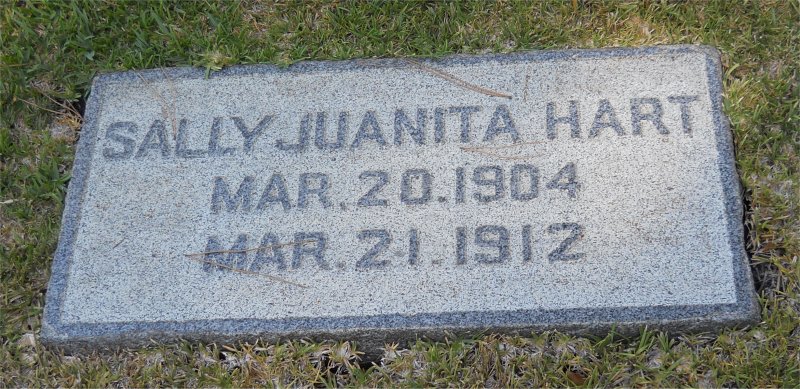
Before long, his life took an abrupt downturn.  Later that year, May is listed as staying with Sally in Tucson, Arizona.  One could speculate that they were there for health reasons as there is a genetic connection to tuberculosis (people with genetic markers for it are 10x more likely to get it and George had lost two sisters to ‘consumption’) and Tucson was a destination for treatment because of its arid air.  In 1912, Sally Juanita died of meningitis, one day after her 8th birthday.  Mareta recalled that the passing of his younger sister stuck with her father for the rest of his life.  Victor rarely talked about the past but on several occasions he told her of the funeral they held at their home in Los Angeles and how Sally’s little white coffin was pulled by two white horses on a white chariot.

Sally Juanita's grave at the Hollywood Forever Cemetery

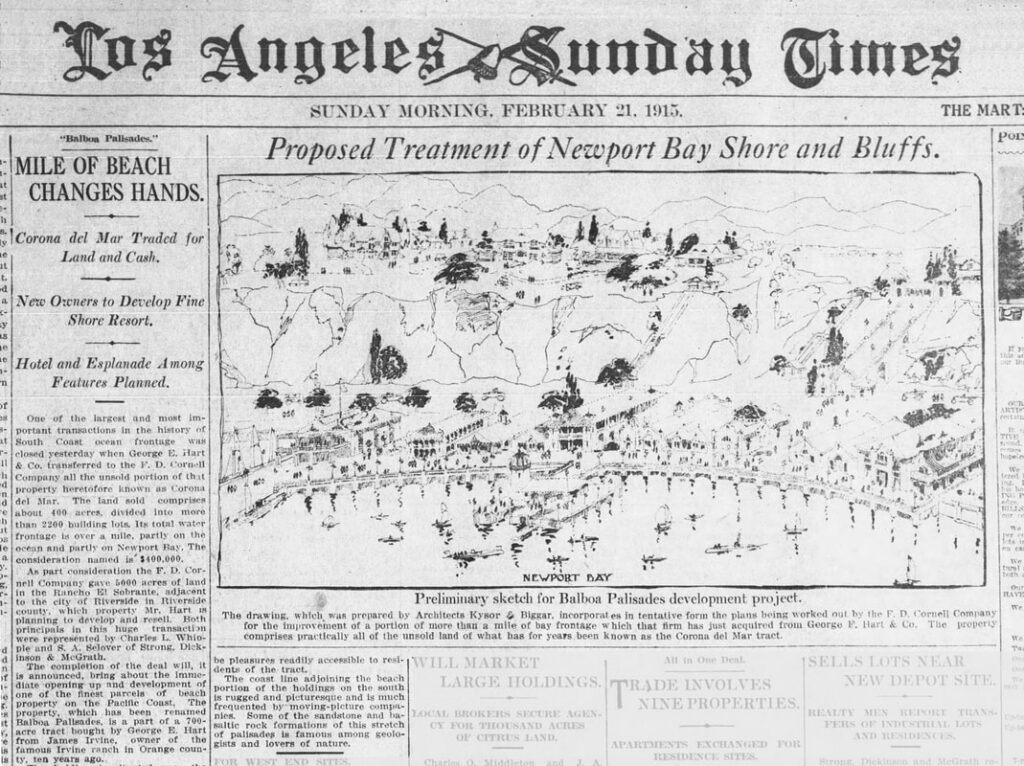
At this stage, George may have been suffering from his own ailments.  Even in the 1908 LA Times story about the whist game, it is mentioned that he is of poor health.  Despite a few sales in 1910, development in Corona del Mar slowed again and in 1915, George decided to give up on his dream of building the ocean community.  He traded the remaining 400 acres for $400K and 5,000 acres of land on the Riverside/Corona border.  

LA Times reporting on Hart's sale of CdM to FD Cornell Co on Feb 21, 1915

The following year, his brother John, who had moved with him to Washington state and later followed him to LA, passed away.  Through 1918, George still shows up in various land deals including the purchase of two Escondido ranches, but in the 1917 Pasadena city directory, where May is living, she is listed as George’s widow.  He was not mentioned in the press in 1919.  When he passed away in 1920 at age 60, there was no obituary for the man who – just a decade earlier – was one of Los Angeles’ most prominent citizens.  The man who had come from a farm in New Hampshire, made his money in lumber mills when he was still a teenager, and then become a prominent, and for a time very wealthy, real estate developer, was laid beside his daughter, Sally Juanita, in the famed Hollywood Forever Cemetery in Hollywood, CA.

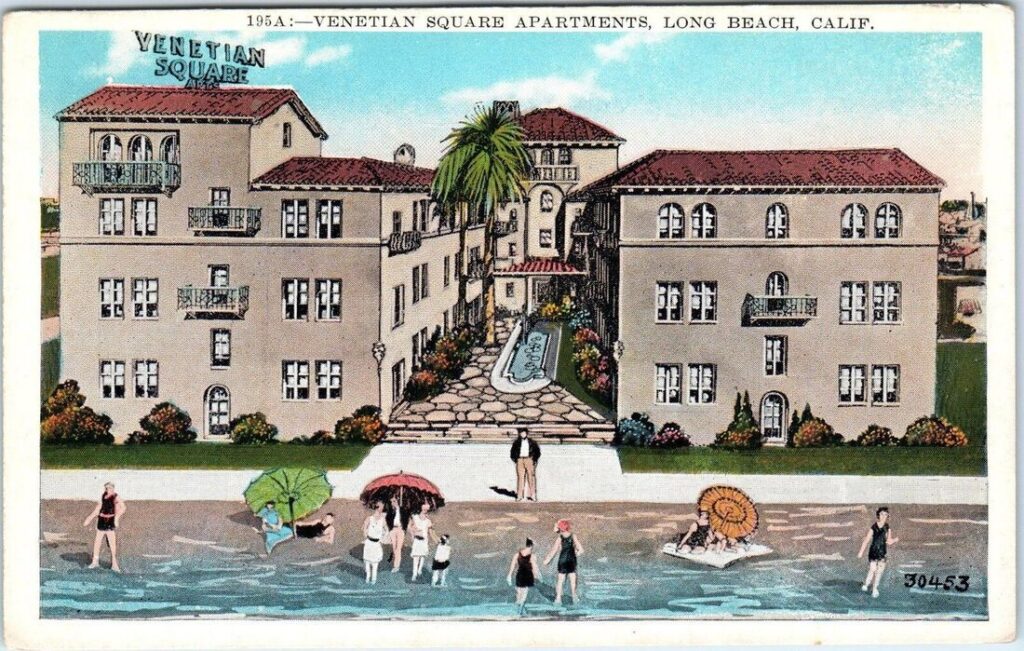
​May would go on to her own success in real estate, building and developing the Venetian Square Apartments in Long Beach as well as building an upscale hotel and apartment complex on Bonnie Brae in Los Angeles, down the street from Hart’s old mansion.  She re-married at least two more times including a 1921 marriage to Harry Burmester, the editor of the Long Beach Press.  She passed away in 1960, listed in many places as 60 years old, but she was actually 64.  Likely following her wishes, her gravestone does not list her date of birth.  Victor managed and eventually owned and expanded on the Venetian Square.  A successful businessman and active in the Long Beach community, Victor would live to the age of 98, passing away in 1995.

Venetian Square Apts, an Italian Style resort built by May in the early 1920's that would be owned and managed by Victor Hart

Charles Payzant (1898-1980)

Picture of Tom Heffernan

Tom Heffernan

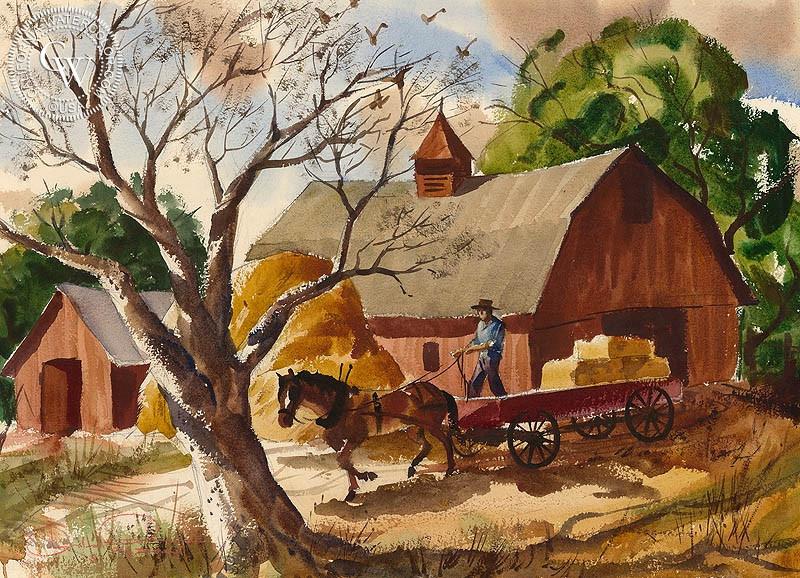
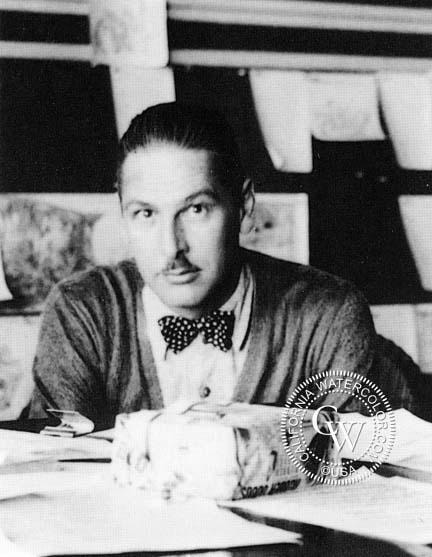
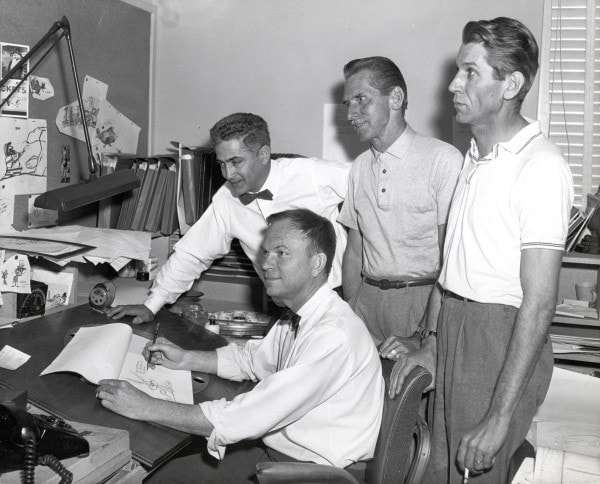
CdM has had a number of famed artists that lived in our community.  We have featured Rex Brandt, who is likely the best known locally and Chuck Jones, who was called “the Orson Welles of animation.”  Today, we feature Charles Payzant (1898-1980), a talented illustrator and watercolor painter that lived in the village at 609 Acacia.  He was one of the pioneers of what would become known as the California Style of watercolor painting and would work on some of the most famous Disney movies of all time. 

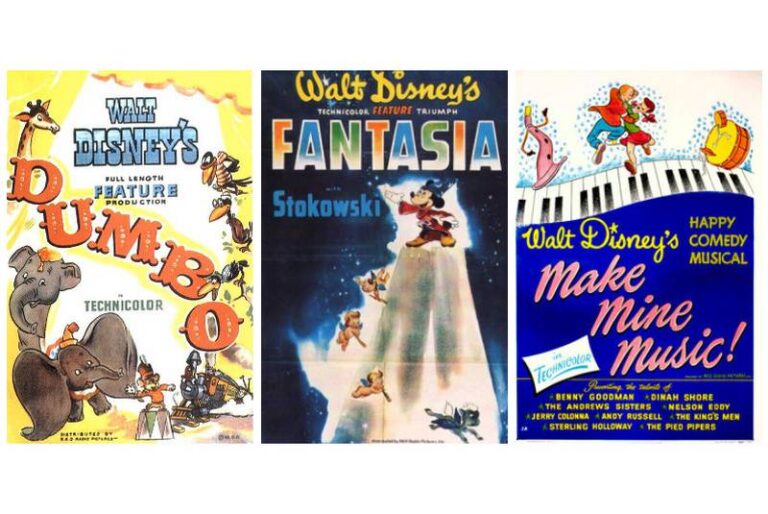
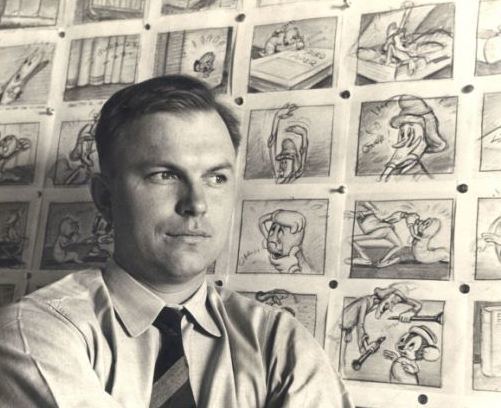
He began his career as a commercial artist and during the Great Depression he took a job with Disney painting watercolor backgrounds.  He worked on many of the biggest cartoon shorts and made elaborate backgrounds for classics such as Snow White, Fantasia, Dumbo, and Pinocchio. CdM has had a number of famed artists that lived in our community.  We have featured Rex Brandt, who is likely the best known locally and Chuck Jones, who was called “the Orson Welles of animation.”  Today, we feature Charles Payzant (1898-1980), a talented illustrator and watercolor painter that lived in the village at 609 Acacia.  He was one of the pioneers of what would become known as the California Style of watercolor painting and would work on some of the most famous Disney movies of all time. 
After WWII, he would leave Disney to return to commercial art and began working with his wife, author Terry Shannon Payzant and he did the illustrations on fifty of her childrens books. He also was the director of the famed Dick and Jane series of school readers. It was estimated that 80% of American grade schools used this series.  He continued to work on private commissions and paint his California Style watercolors for the rest of his life.

FDR in CdM

Picture of Tom Heffernan

Tom Heffernan

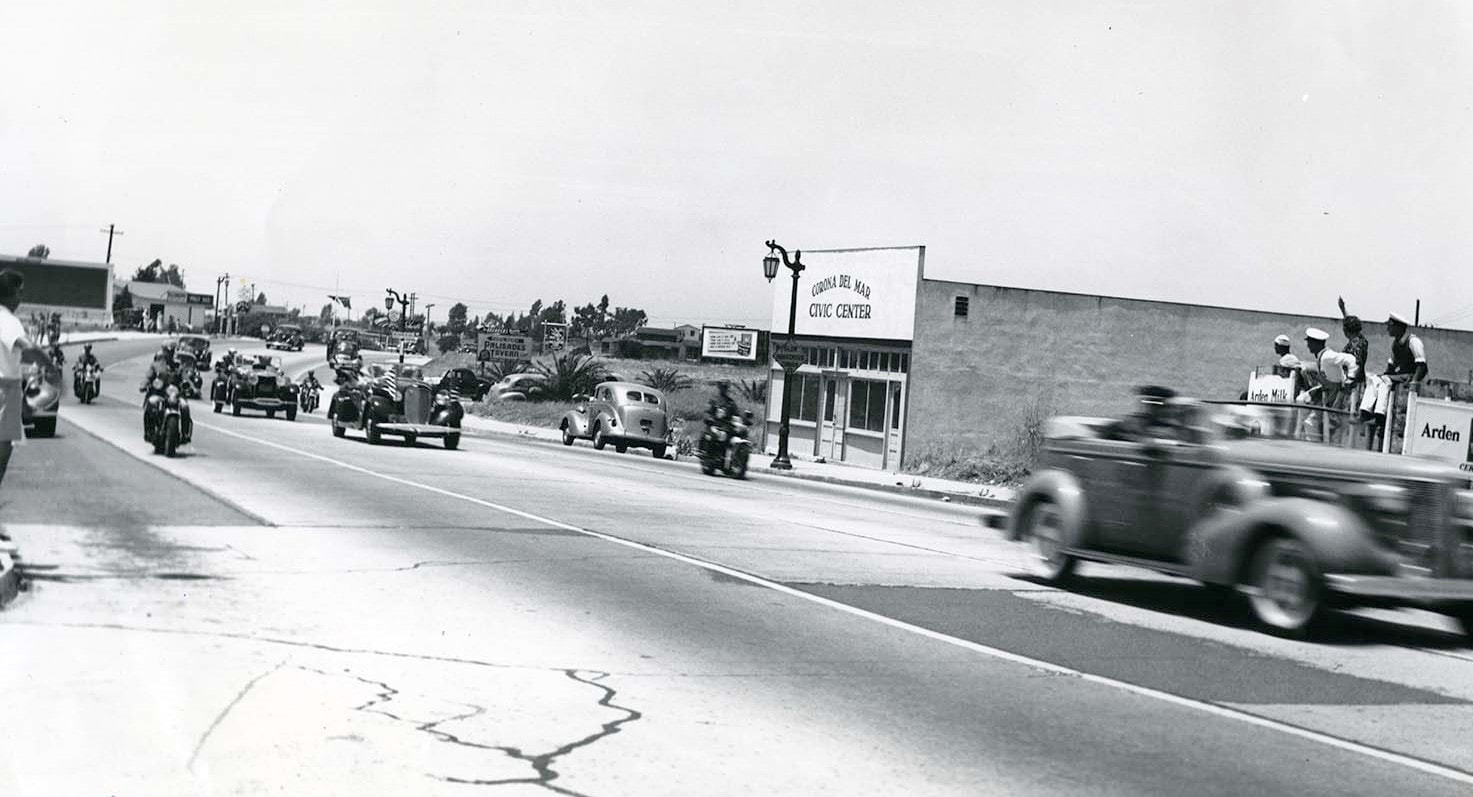
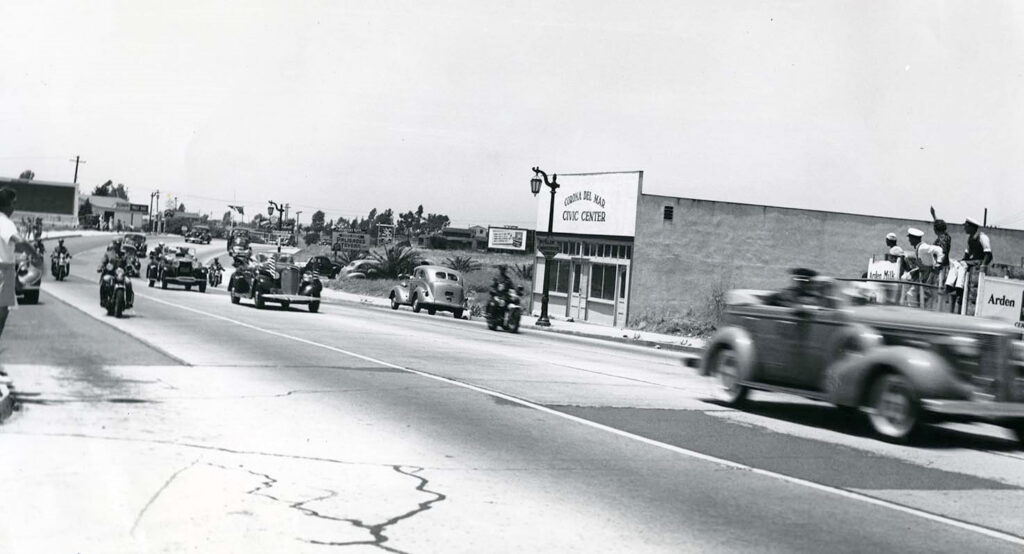
FDR drives down Coast Highway in CdM in July 1938 (Photo: Sherman Library Collection)

We recently came across this photo of President Franklin D. Roosevelt driving through CdM in July 1938 on his way from LA to San Diego. The Sherman Library has an excellent blog posts that tells the backstory of this trip which you can find here.

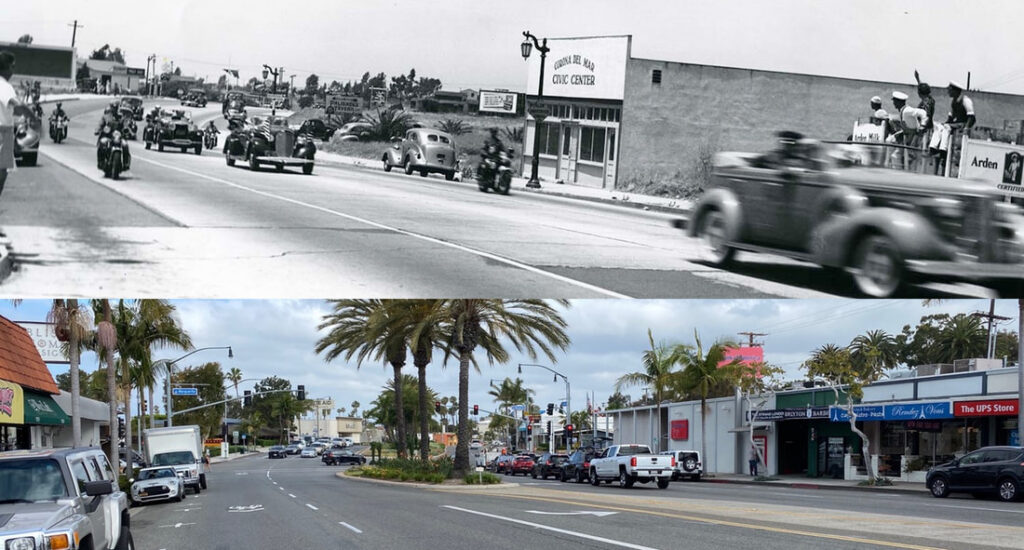
Looking at this photo, we were left wondering where exactly the ‘Corona Del Mar Civic Center’ was located. The photo says it was taken at Marguerite and Coast Highway but we wanted to pin down the exact location. Some of our group thinks it was just south of Marguerite, near the building with BofA and UPS while others think it was just north of Marguerite between Papa’s Liquors and Zinc.

What do you think? Does anyone remember this building that held the Civic Center in the 1930s and may have had other uses later on?

We believe this is roughly the stretch of road that was in the 1938 photo.

The Orson Welles of Animation

Picture of Tom Heffernan

Tom Heffernan

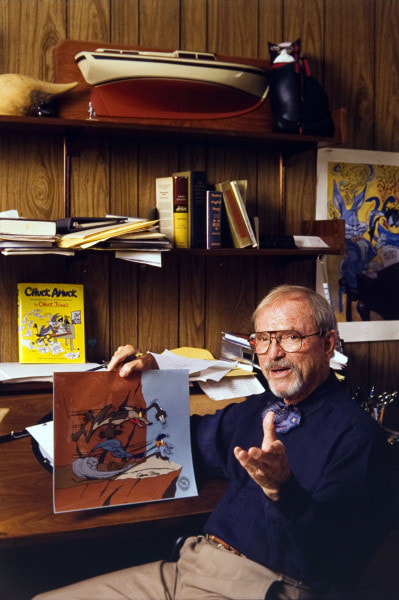
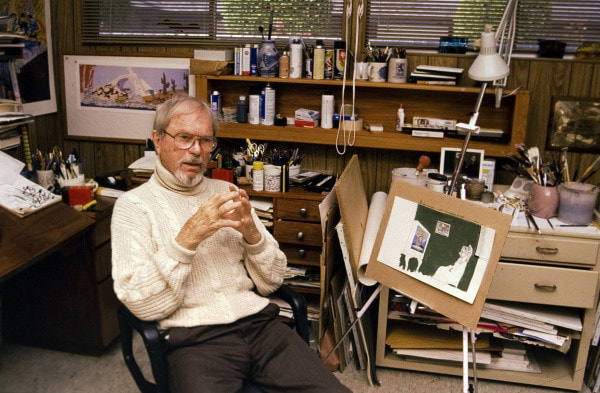
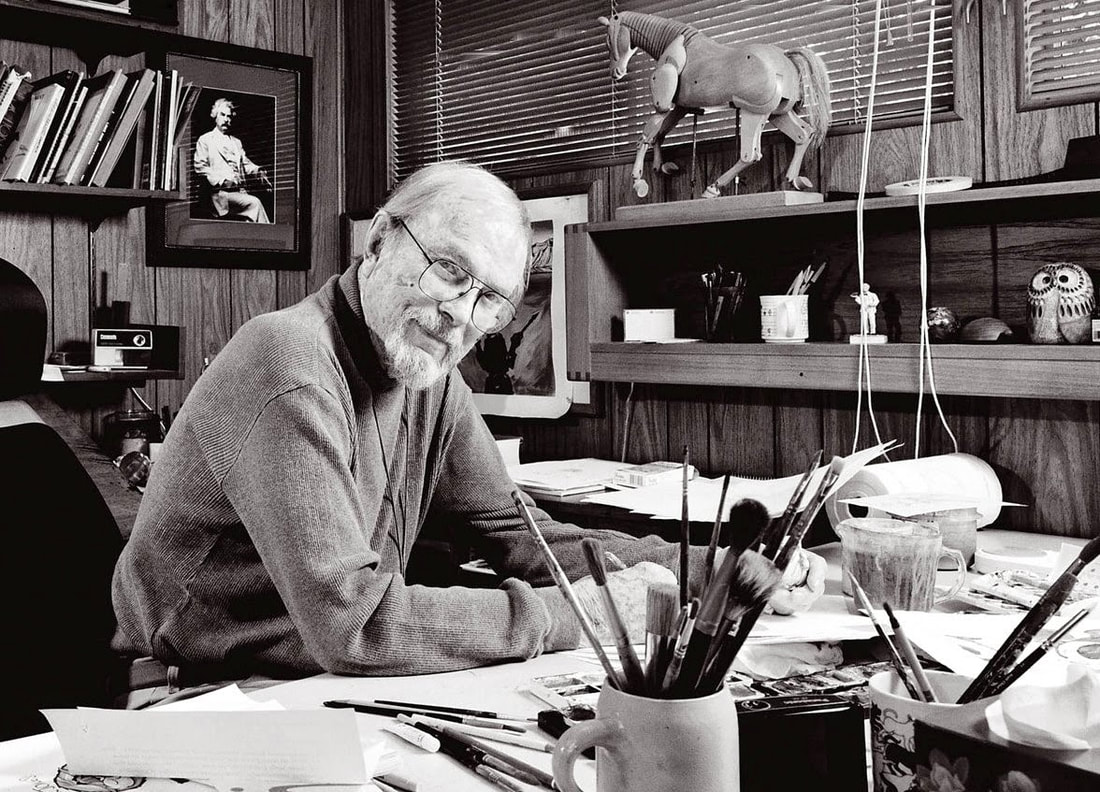
Chuck Jones in his office at his home in Cameo Shores

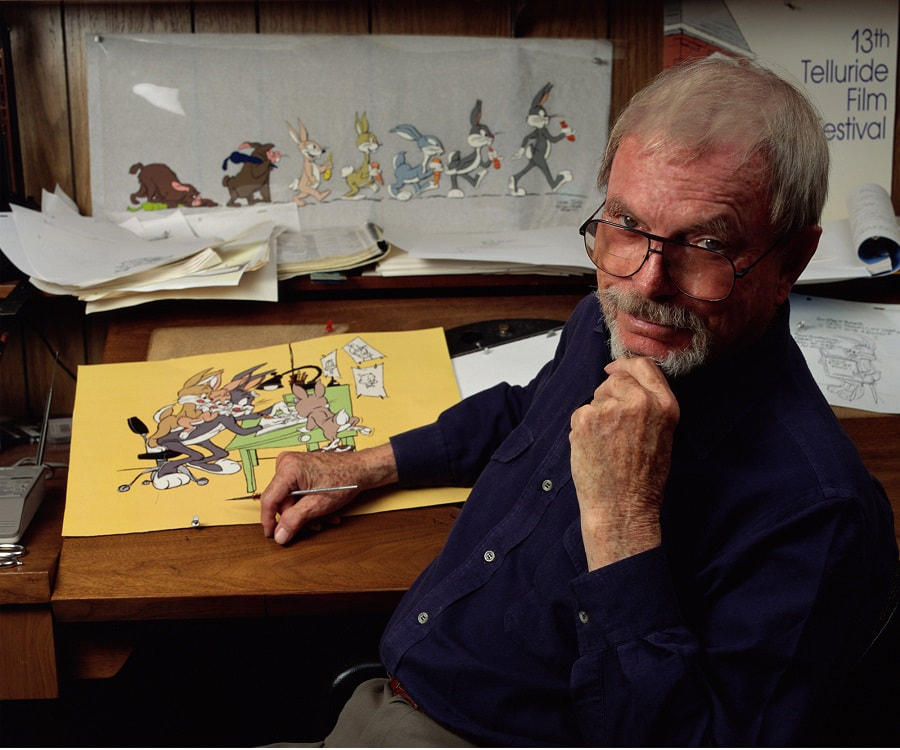
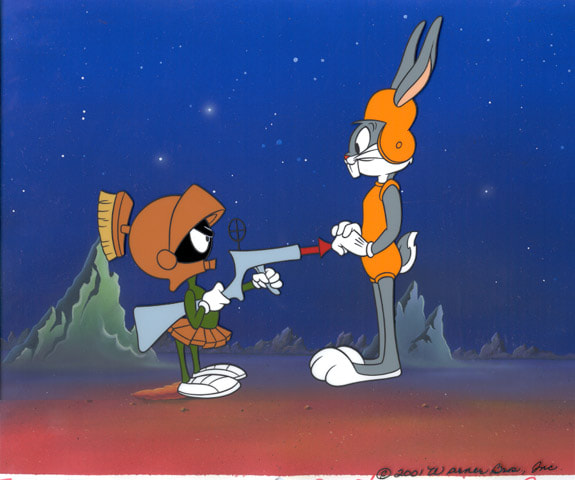
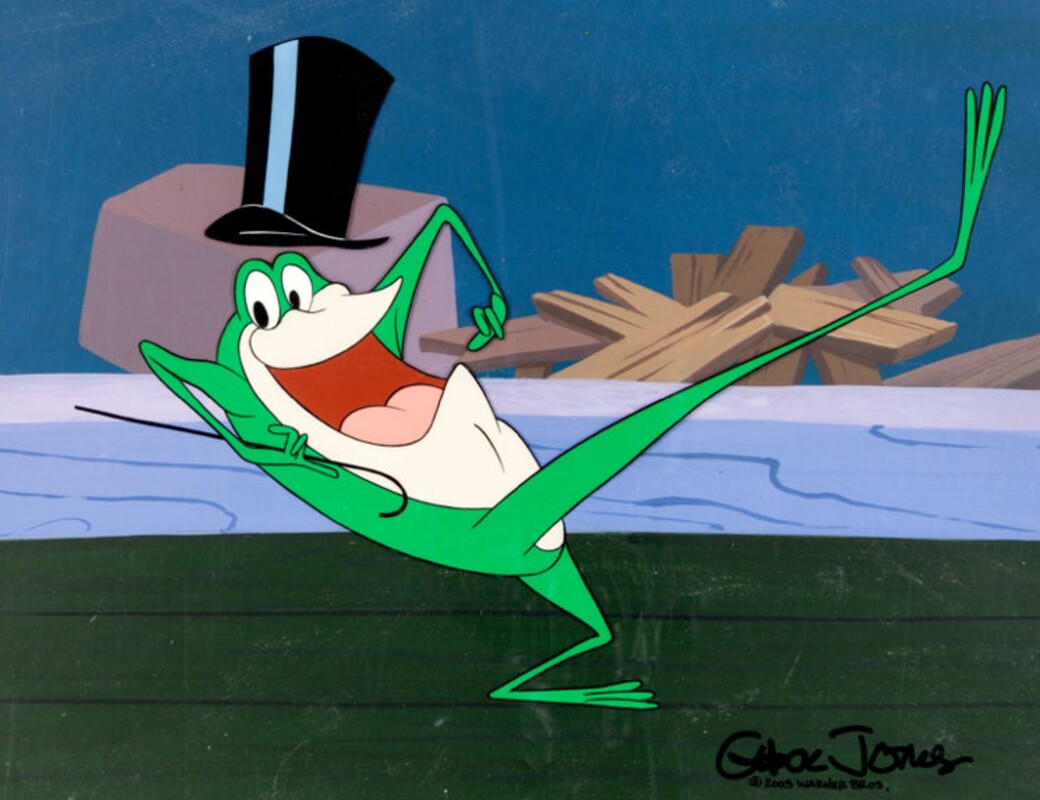
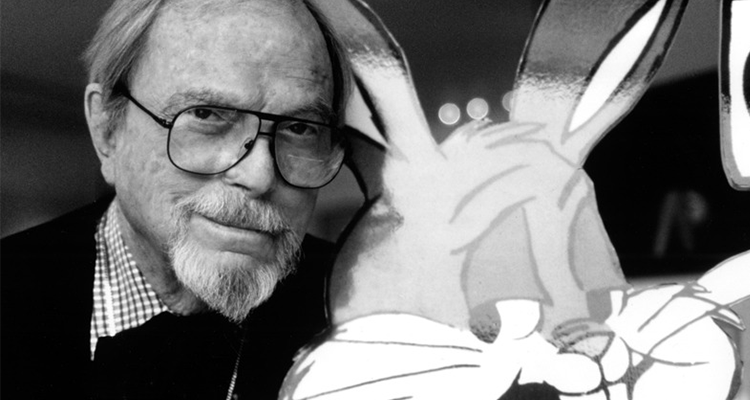
Chuck Jones, the legendary animator and director who gave life to cartoon greats such as Bugs Bunny, Daffy Duck, and Road Runner was a longtime Corona del Mar resident.  In an almost 70-year animation career he directed more than 300 films, three of which won Academy Awards, received an Oscar in recognition of his life’s work, and created some of the most famous and beloved cartoon characters.  He is credited as a co-creator of Bugs, Daffy, Elmer Fudd, and Porky Pig and as the sole creator of Road Runner & Wile E. Coyote, Marvin Martian, Pepe Le Pew, Michigan J. Frog and dozens more memorable characters.  

​After three decades at Warner Brothers, he started his own studio, Chuck Jones Enterprises in 1962 and produced cartoons for MGM including Tom & Jerry shorts and a TV adaptation of Dr. Seuss’ How the Grinch Stole Christmas.  He continued to write, direct, and produce for many years with his last major film ”Chariots of Fur” featuring Road Runner and Wile E. Coyote, being released by Warner Brothers in 1996.  

Jones continued his TV work through the mid-1970s at his own production company, Chuck Jones Enterprises. (Photo: The Chuck Jones Center for Creativity)

In 1992, his Bugs Bunny cartoon, ‘What’s Opera, Doc? (1957) was added to the National Film Registry and he received a star on the Hollywood Walk of Fame in 1995.  Perhaps his greatest honor was when Robin Williams presented him with an Honorary Oscar at the 68th Academy Awards in 1996.  Williams concluded his impassioned introduction of Jones by calling him “The Orson Welles of Animation.” 

Chuck Jones lived in a 1961 single level home on Cameo Shores at 4527 Tremont Lane and was a regular at Five Crowns until he passed away in 2002 at age 89.  It appears he bought the house on Tremont where he had his home office, in 1979.  When it was sold in 2018, it appeared to be largely original at that point.  It was subsequently torn down in 2019 and there is a new house going up now.  

Chuck Jones’ home in Cameo Shores at 4527 Tremont Lane, Corona del Mar, CA

He founded the Chuck Jones Center for Creativity, a non-profit in Costa Mesa that encourages creativity through art classes, exhibitions, film festivals, and their online community.  They have some great virtual projects that you can work on from home if you are looking for something to do while stuck indoors.  

Frank Lloyd Wright’s Influence in CdM

Picture of Tom Heffernan

Tom Heffernan

Did you know…
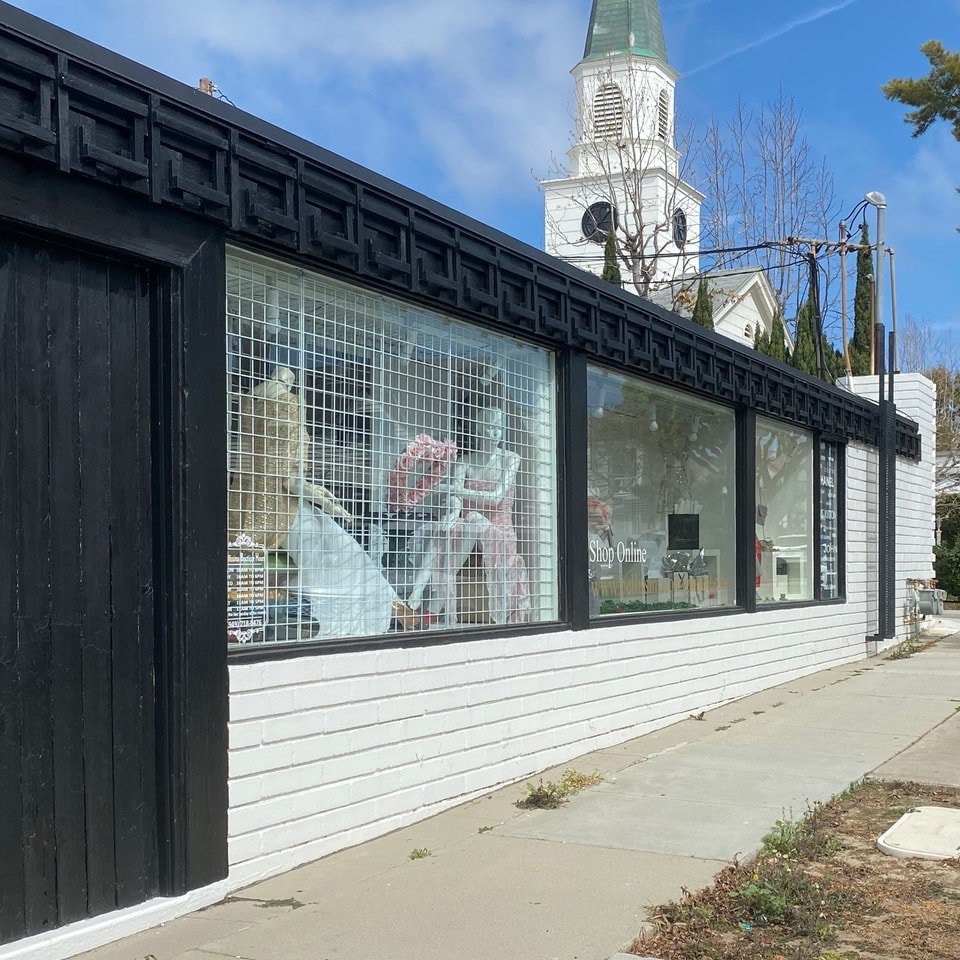
Frank Lloyd Wright’s son, Lloyd Wright, designed a building along PCH in CdM? 

Retail Building at 2850-2854 East Coast Highway (Photo Credit: Ron Yeo)

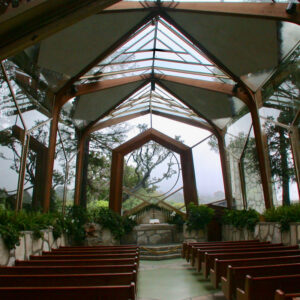
A renowned architect in his own right, Lloyd designed the famous all glass “Wayfarers Chapel” in Palos Verdes as well as band shells at the Hollywood Bowl among other projects.  Lloyd originally designed the building at 2850-2854 East Coast Hwy for the Ensign Newspaper and it had a big floor pit that contained the large paper rolls for printing production.  The Ensign shut down in June 1989 after 41 years as “Newport Beach’s only home-based newspaper.”  Today, the Lloyd Wright-designed building is home to Bellissima Resale, Tony Florez Photography, Home Loans by Jeff Edwards, and California Closets.

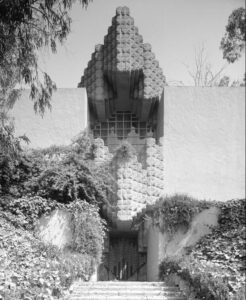
Wayfarer's Chapel in Palos Verdes
Sowden House
Sowden House

One of the features that sets this building apart from the other storefronts along PCH are the diagonal masonry walls facing the western sun that protect the diagonal glass show windows.  

(Photo Credit: Ron Yeo)

Another unique feature is the delicate wood eave pattern that was made of teak and has now been painted over in black.

(Photo Credit: Ron Yeo)

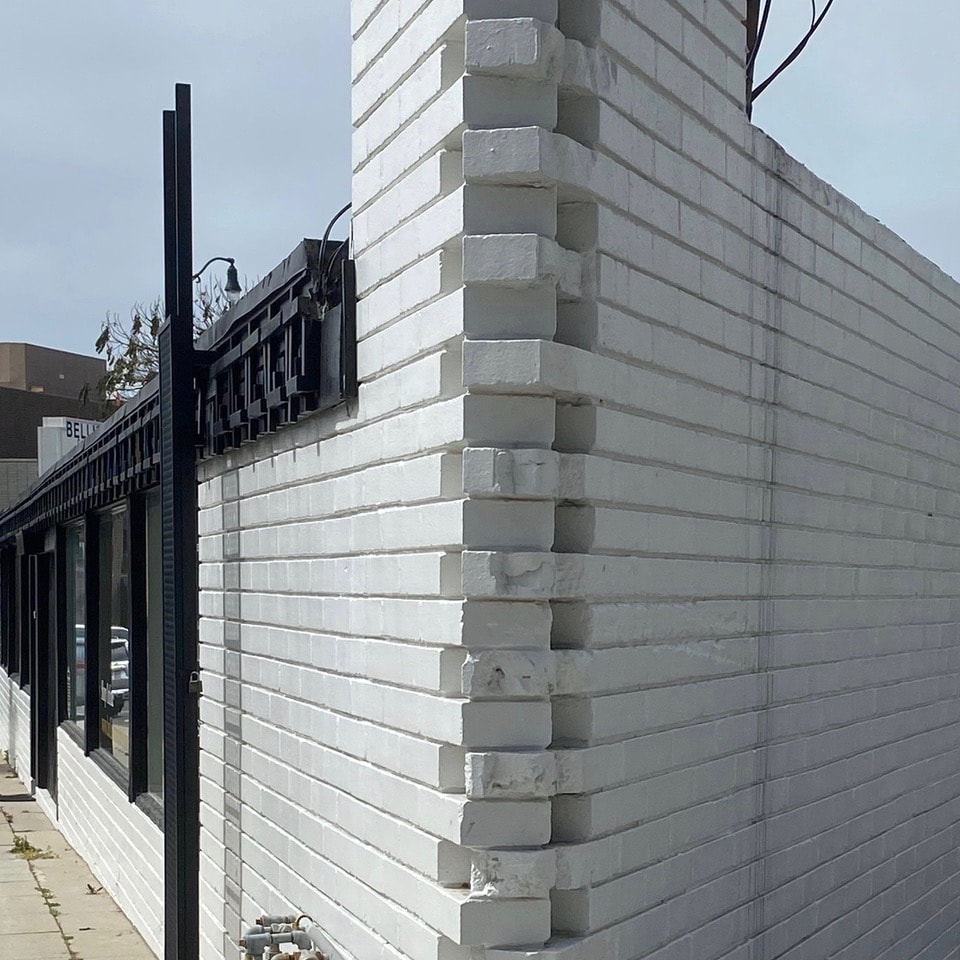
The distinctive interlocking masonry corners can be seen at the start of the building on PCH by Bellissima or around the corner down Heliotrope at the back of the building.

(Photo Credit: Ron Yeo)

Special thanks to CdM Architect/Artist Ron Yeo for sharing this info and these photos with us.

The Grandest Angel of Them All

Picture of Tom Heffernan

Tom Heffernan

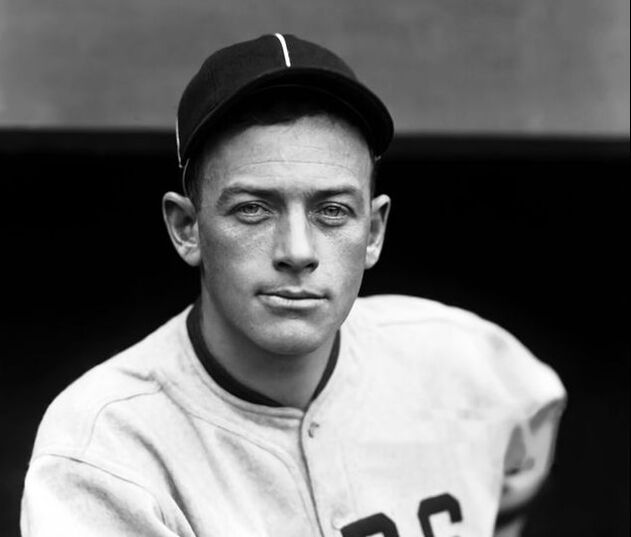
Arnold "Jigger" Statz of the Chicago Cubs in 1924. (Photo by Sporting News via Getty Images)

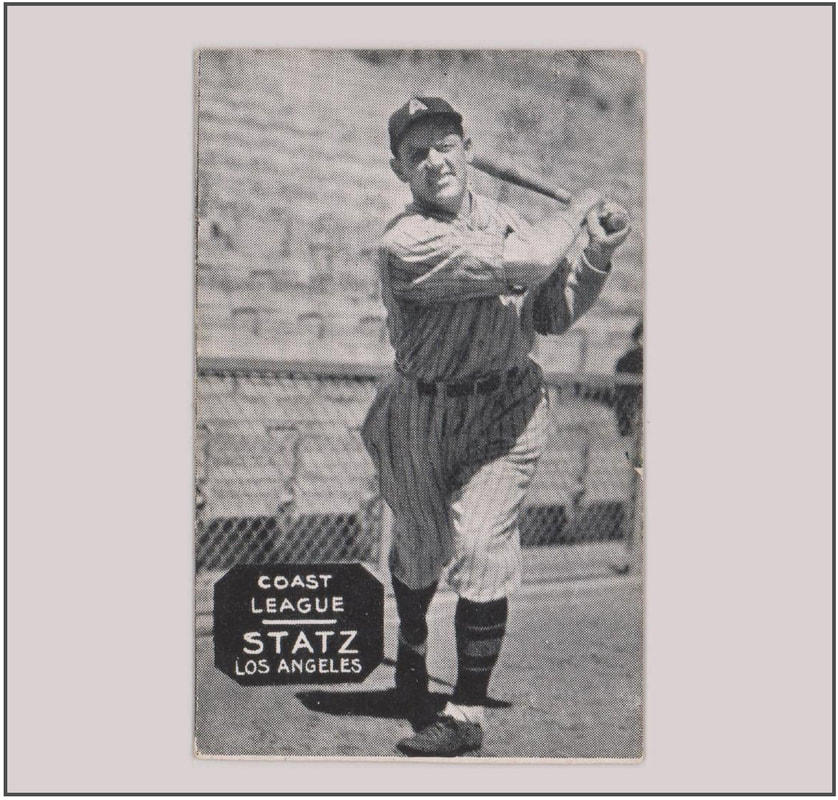
In the headline of his obituary, the Los Angeles Times called him the “Grandest Angel of Them All.”  After a 35-year career in baseball that included 18 seasons in a Los Angeles Angels uniform, Arnold ‘Jigger’ Statz died at home in Corona Del Mar on March 16, 1988 at age 90.  With Mike Trout not born for another three years, the headline was not hyperbole.  To this day, Statz has the 4th most hits as a professional baseball player behind only Pete Rose, Ty Cobb, and Hank Aaron.  Wondering why he isn’t as well known as these three Hall of Famers?  3,356 of his hits came as a member of the Angels back when they played in the Pacific Coast League.

1930 Zee Nut baseball card of Jigger Statz

Statz was born in Waukegan, Illinois and his family briefly lived in Alabama before moving to Massachusetts.  Along the way he earned his nickname from his diminutive size and a mispronunciation of ‘chigger,’ the mite pest.   The 5’7, 150 pound speedster achieved success on the diamond at Holy Cross and signed with the New York Giants after his sophomore year in 1919 and spent 8 seasons in the majors with the Giants (1919-20), Boston Red Sox (1920), Chicago Cubs (1922-25), and Brooklyn Robins (1927-28).  

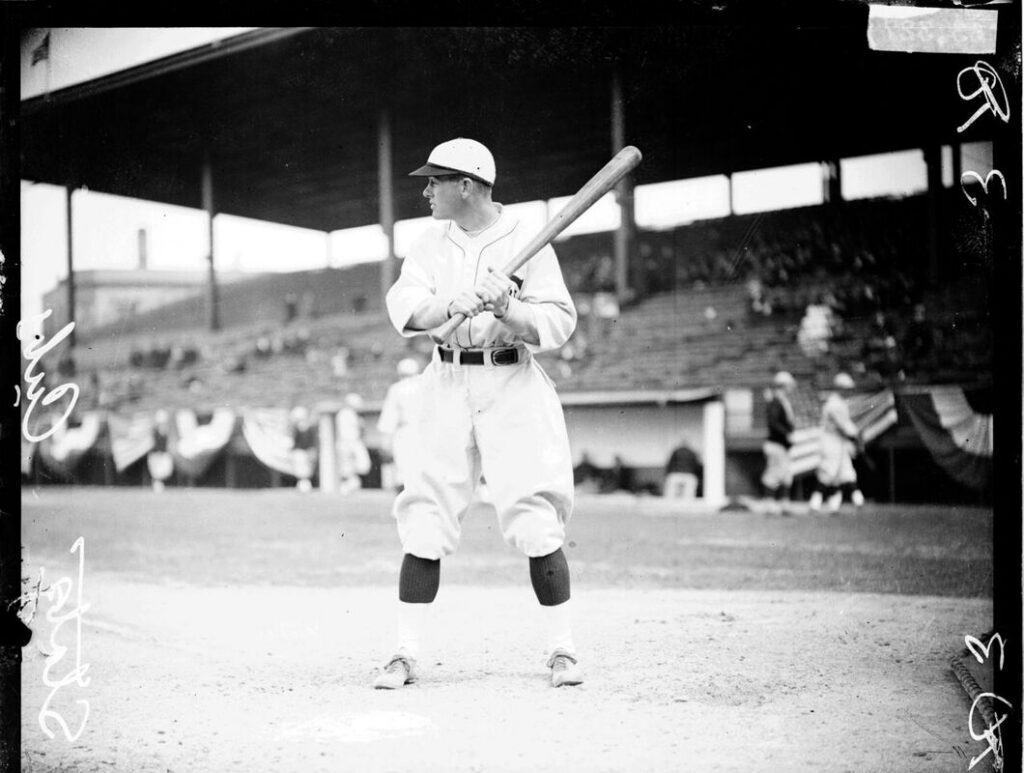
Statz at bat with the Cubs in 1922 at Wrigley Field

His best MLB season was with the Cubs in 1923 when he hit .319 with 209 hits, 10 home runs, and stole 29 bases, while playing a brilliant center field.  In 1926, the Cubs sent him to the PCL and he hit .354 with 291 hits, 68 doubles, 18 triples, and scored 150 runs with an almost perfect fielding percentage of .997.  ​

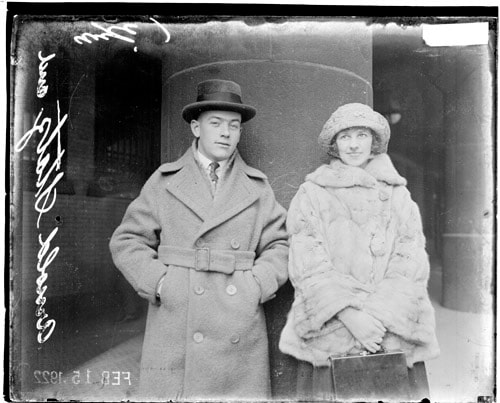
1922 photo taken in Chicago of Statz with his wife, Grace (Downing) Statz. Source: Chicago Daily News negatives collection, Chicago Historical Society.

After playing for Brooklyn, he returned to LA for good in 1929.  He starred as himself in the Paramount film ‘Fast Company’ and played for the Angels until 1942, turning down many opportunities to return to the major leagues to play for the Cubs.  At the time, the Pacific Coast League was the only professional baseball on the West Coast so the quality of play and the salaries were similar to the major leagues. 

“It was a warm climate, the intimate ballparks and the competitive salary that I liked about the Pacific Coast League,” he once explained during a magazine interview. 

He would become a PCL legend, being voted to the All-Century team with Joe DiMaggio, and holding the league records for most games, singles, doubles, triples, runs, putouts, and assists. 

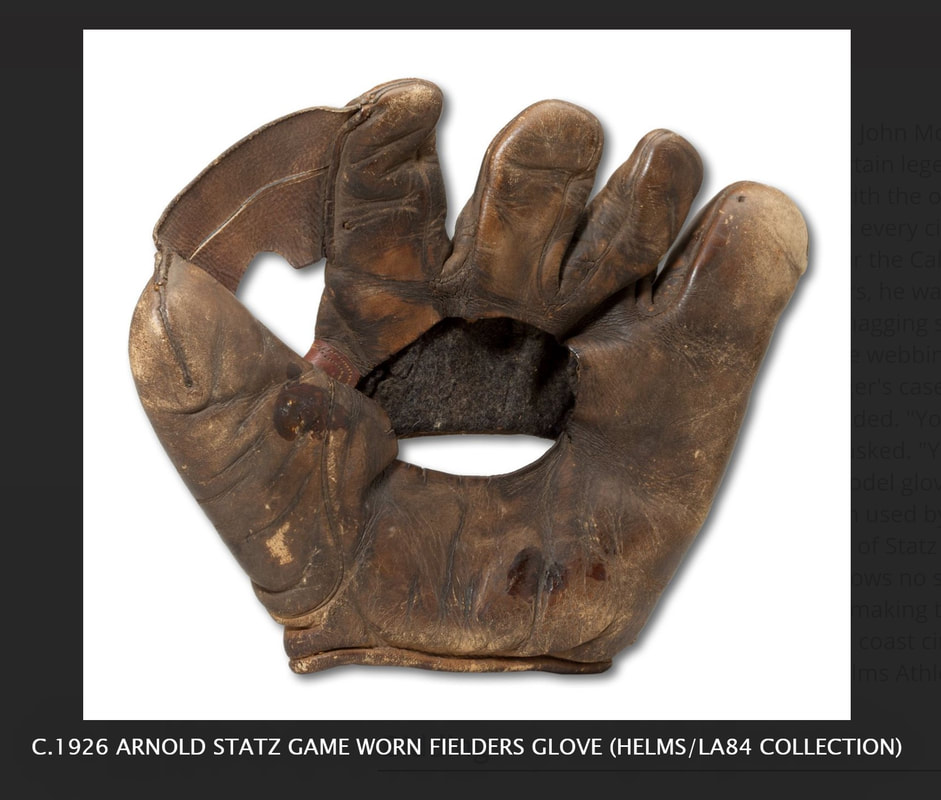
While his 4,000+ hits left his mark on baseball history, he may have been an even better fielder.  Hall of Famer Duke Snider whose career in New York overlapped with Willie Mays and Mickey Mantle called him “the greatest center fielder I ever saw.” Statz was known for his tremendous speed, positioning and that he cut out the palm of his glove to get a better feel for the ball.  

Statz’ game worn glove from 1926 was recently sold at auction.

He finished his career as a player-manager for the last three seasons before retiring in 1942.  He would scout for the Cubs on the west coast for many years and also managed their farm team in Visalia for a couple seasons.  A tremendous golfer who had won many amateur championships before, during and after his baseball career, he was known to golf with billionaire Howard Hughes, a 2 handicap golfer. 

Statz would eventually retire to Leisure World in Laguna Hills in the 1970s and after his wife’s passing, he moved to Wavecrest in Corona Del Mar with family for his final years. 

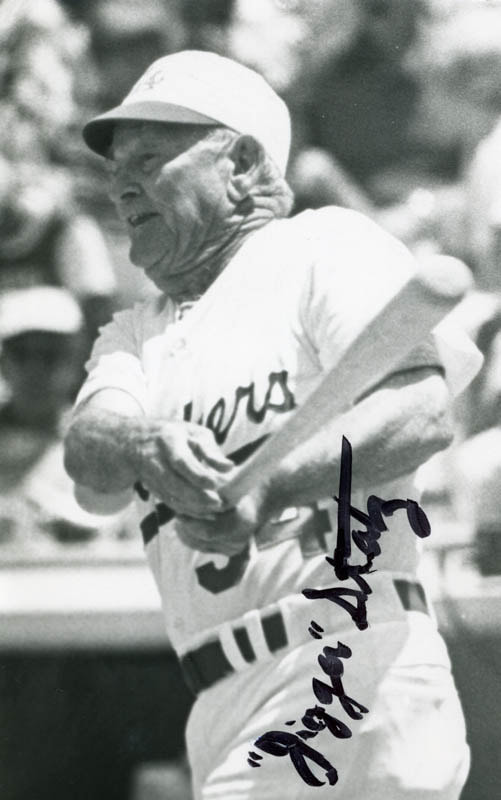
Statz at bat during Dodgers Old Timer’s Day in 1976 at age 79

Rex Brandt

Picture of Tom Heffernan

Tom Heffernan

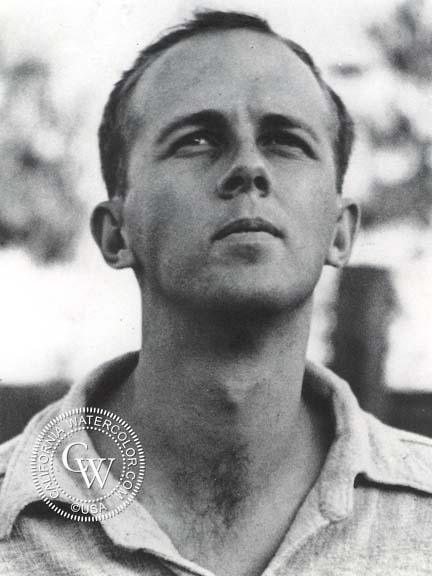
Photo of Rex Brandt (credit:californiawatercolor.com)
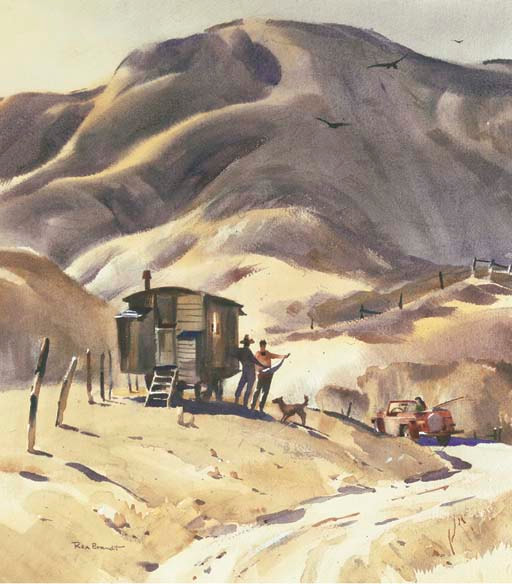
Artist Rex Brandt, who lived and worked in Corona del Mar for most of his life, is considered one of the most important and influential California watercolorists.
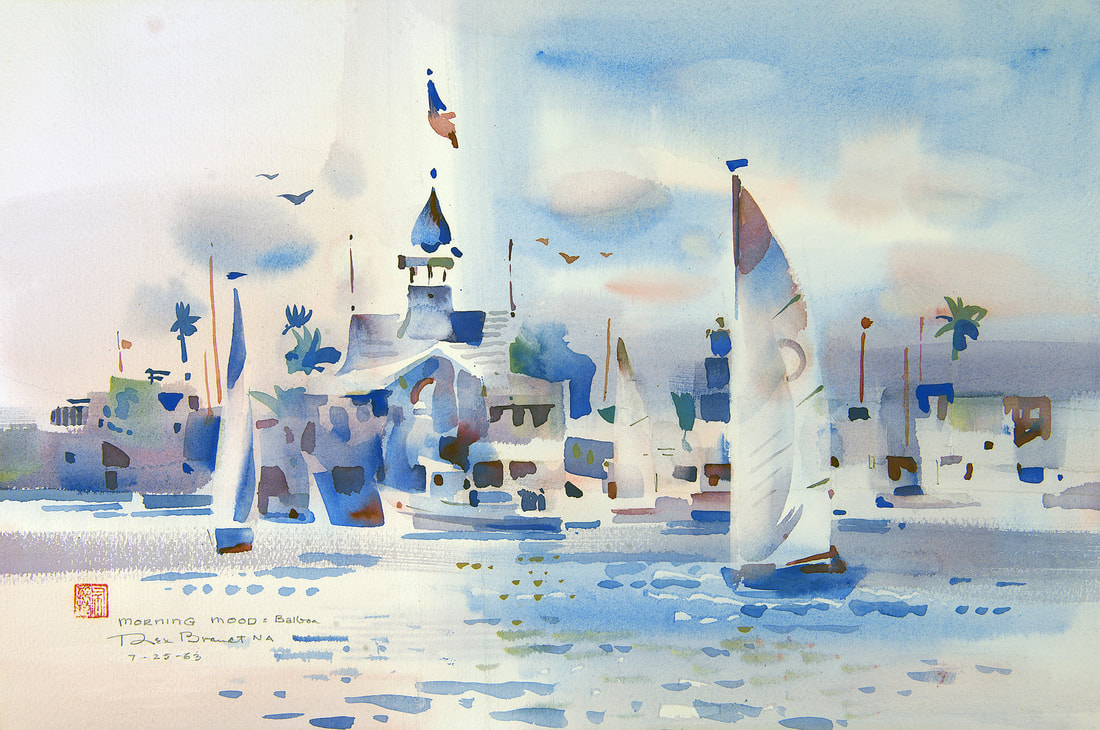
‘Morning Mood at Balboa’

From ‘Blue Sky’, his home and studio located on Goldenrod next to the Footbridge, he created hundreds of paintings of coastal scenes and one of the most important watercolor schools.  Through the school and eleven books on watercolor painting, Brandt taught and inspired many professional artists.

Photo of Rex with his wife Joan Irving Brandt at home at ‘Blue Sky’ (credit: coronadelmartoday.com)

There is a plaque today that recognizes where ‘Blue Sky’ used to be located.  The 1941 home was designed by Brandt and was formerly located at 405 Goldenrod.

‘Consulting the Map’ is a watercolor of the Irvine Ranch, 6 miles inland from Rex’s home. It was featured on the cover of ‘Westways’ magazine in November 1954.
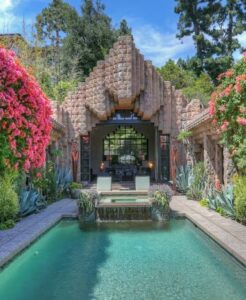
‘Tom’s ‘Old’ House’, 1979

Kay Finch (1903-1993)

Picture of Tom Heffernan

Tom Heffernan

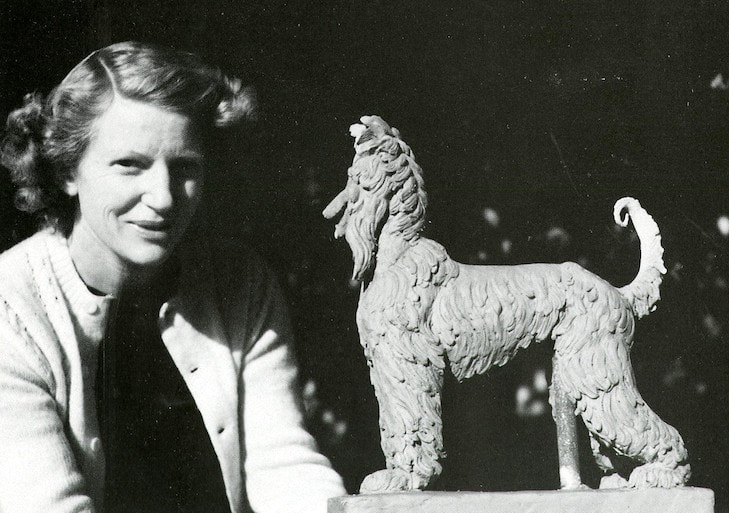
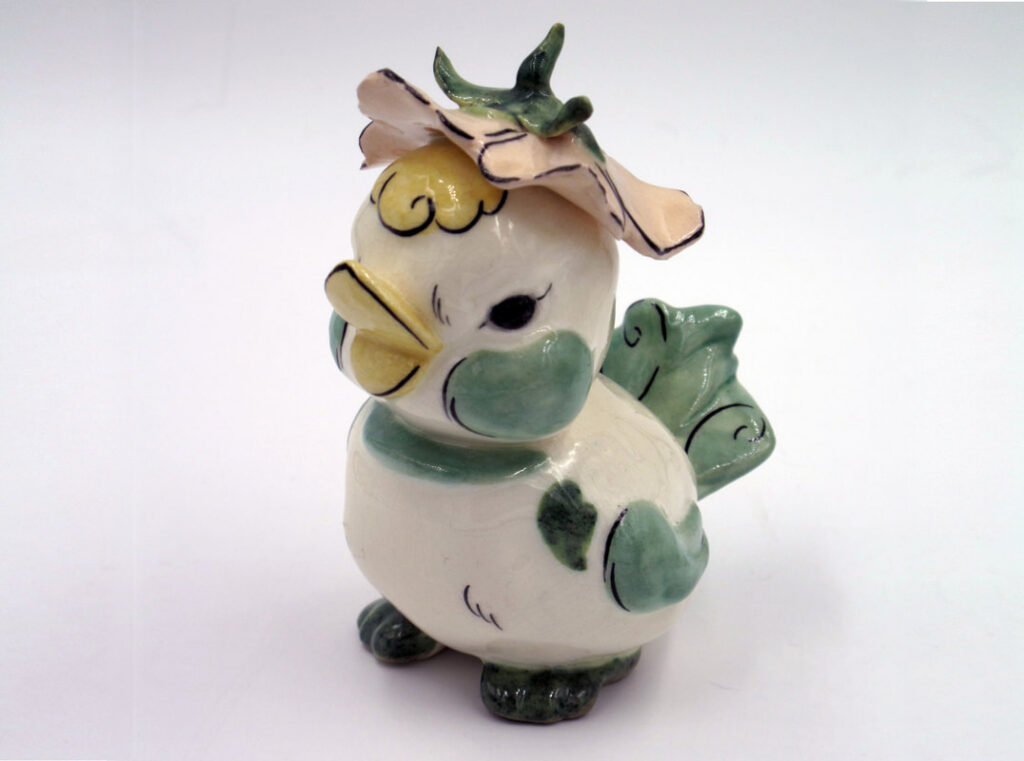
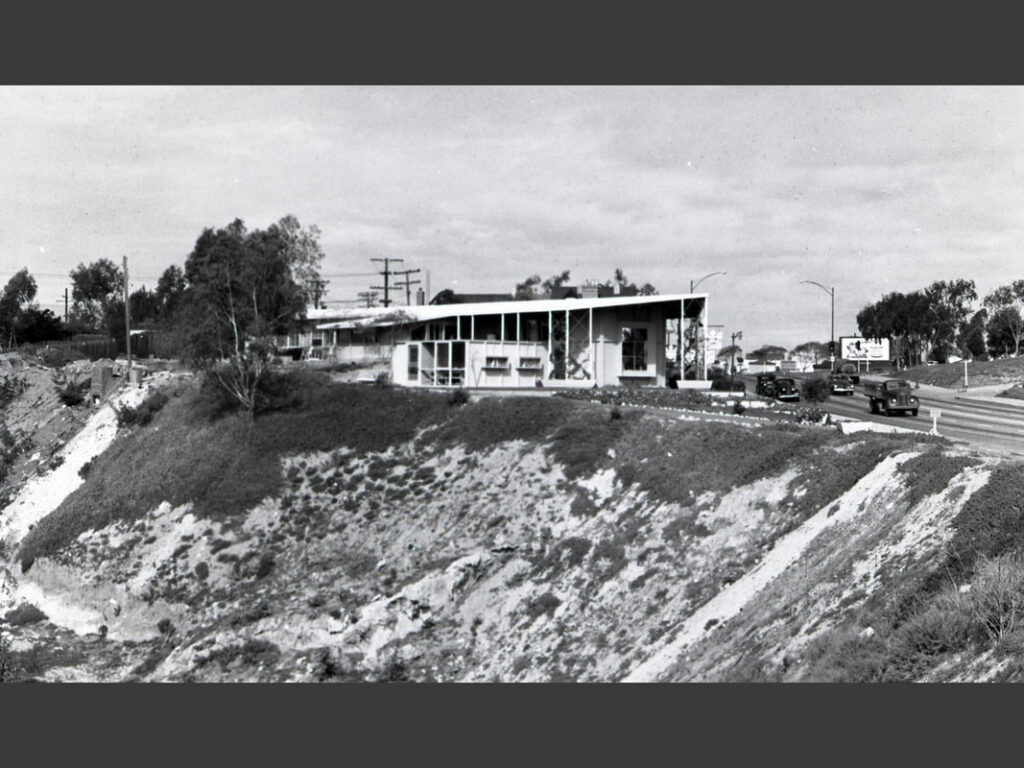
Continuing on the artist theme, ceramic artist Kay Finch (1903-1993) built her studio and showroom next to Five Crowns where Crown Cove Assisted Living is now located.  It was later Sam’s Seafood and Don the Beachcomber. 

F​inch attended the Memphis Academy of Fine Arts in the 1920s and would move with her husband to California in 1929.  She did some freelance work and teaching before opening a small studio in a former milking shed.  As demand for her work grew, she and her husband, Braden Finch, bought a two lot parcel of land on PCH and had her studio next to her home.  Demand for her work shot up during WW2 when imports were stopped and she expanded her studio and showroom.  By the late 1940s, she employed as many as 65 employees, all the pieces were made by hand, with each designed by Finch.  Her designs were known for their color and distinctive whimsical design.  You can find many of her pieces on eBay today, generally from $30-$300.
CdM Artists: Edith Cope (1883-1975)

Picture of Tom Heffernan

Tom Heffernan

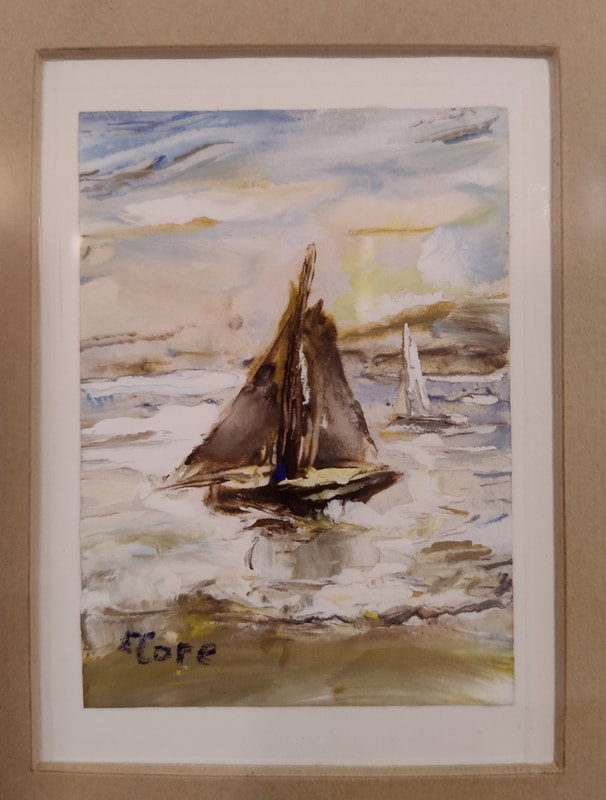
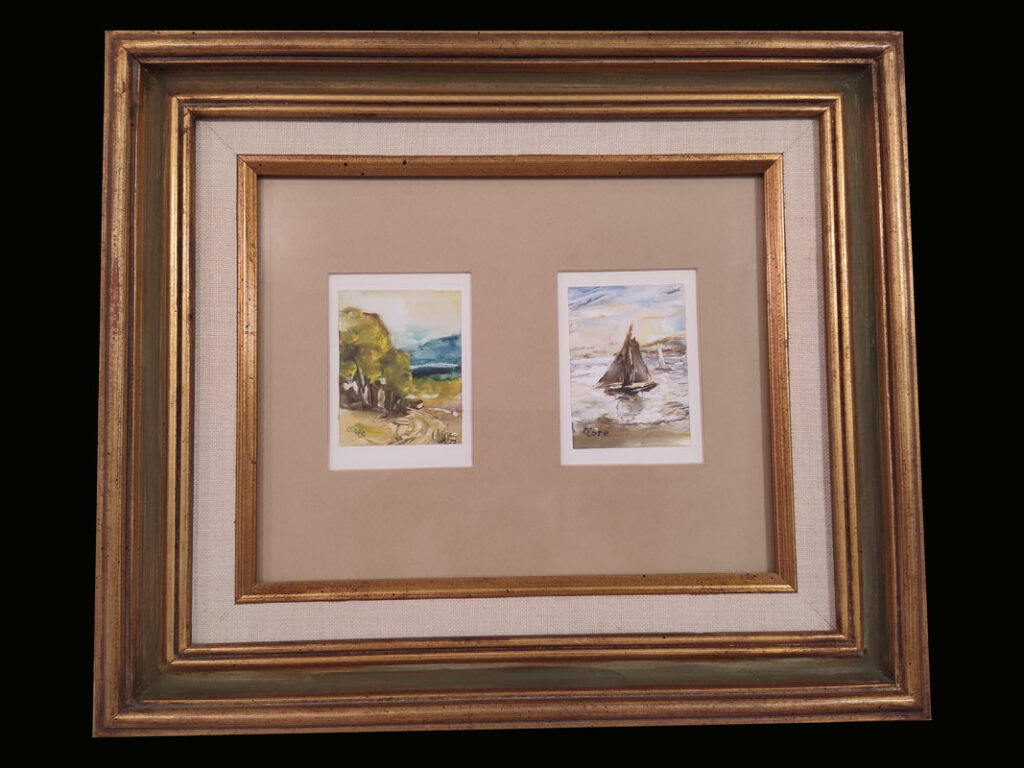
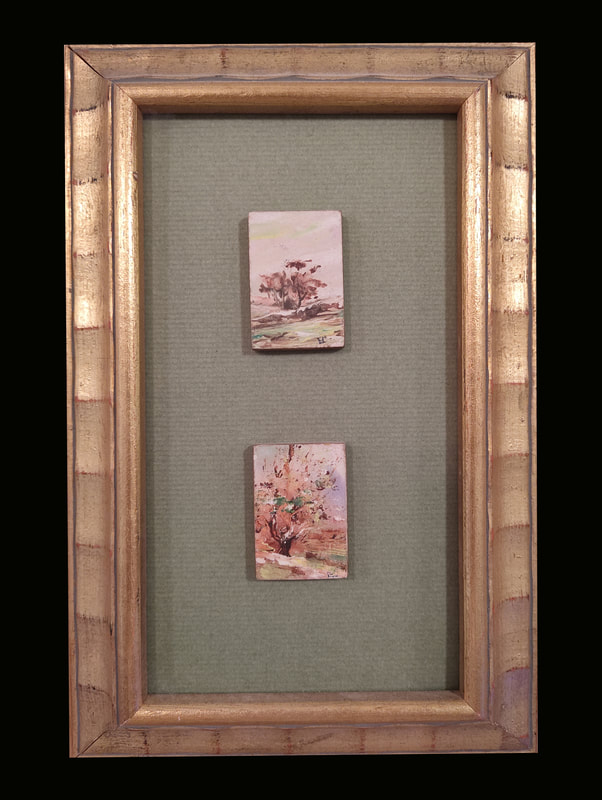
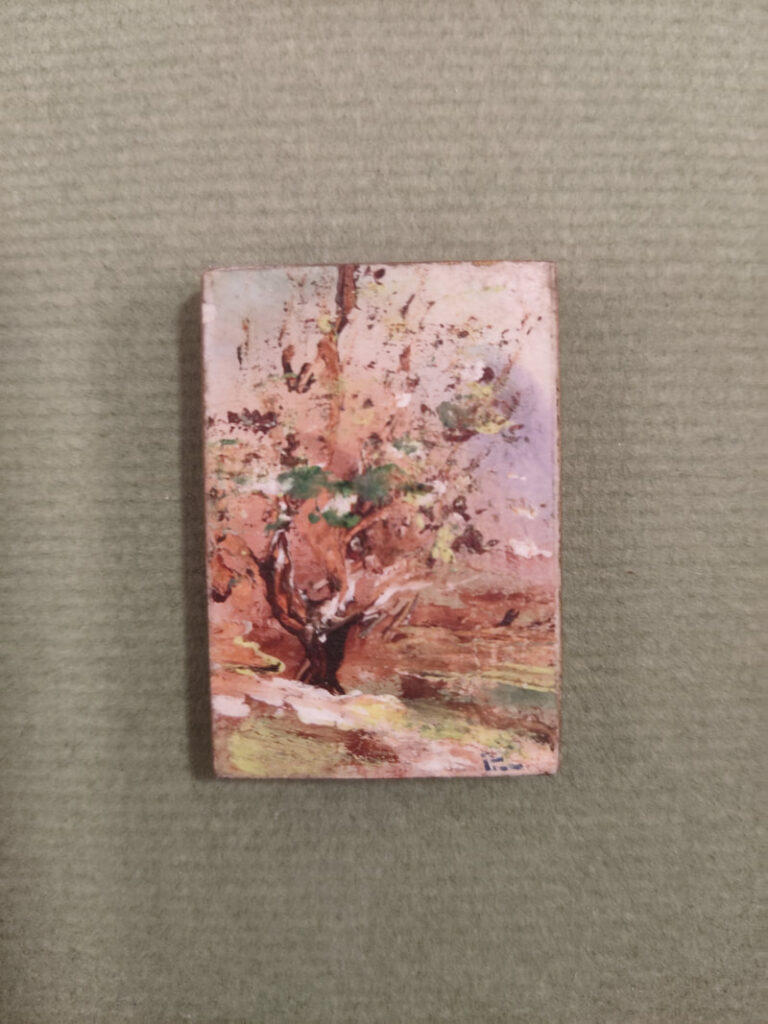
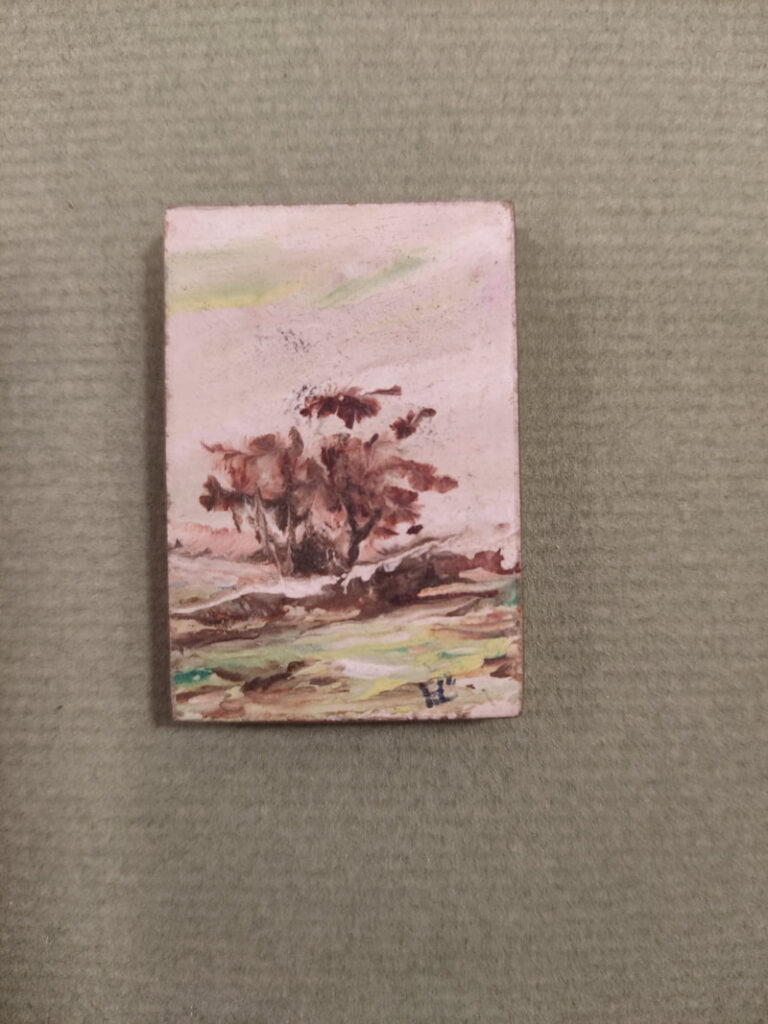
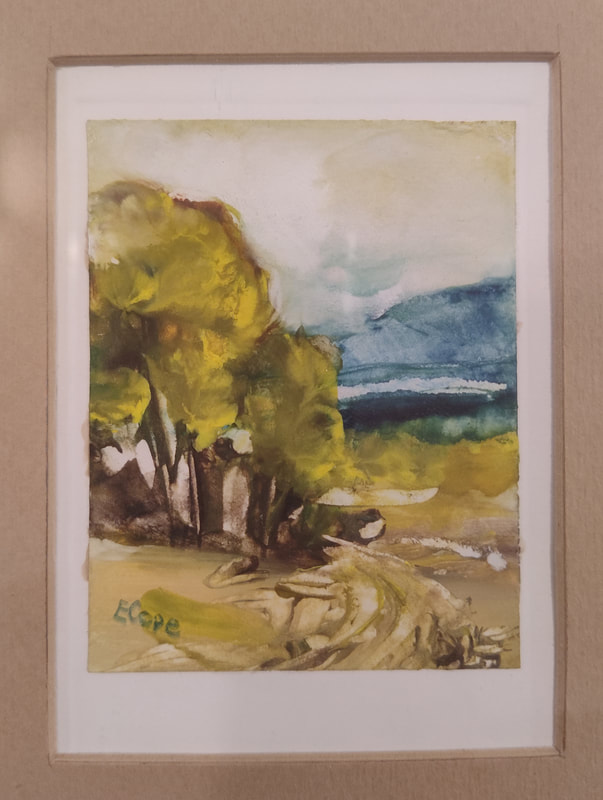
Over the years – there have been many noted artists living among Corona del Mar’s  Flower Streets.  One of them, Edith Cope was born in California on March 29, 1883.   Known for floral still lifes, her paintings were done with her finger tip/nail and many of her works are miniatures. 

A long time resident of Corona del Mar, she lived at 602 Heliotrope, and passed away at age 91 on January 3, 1975.