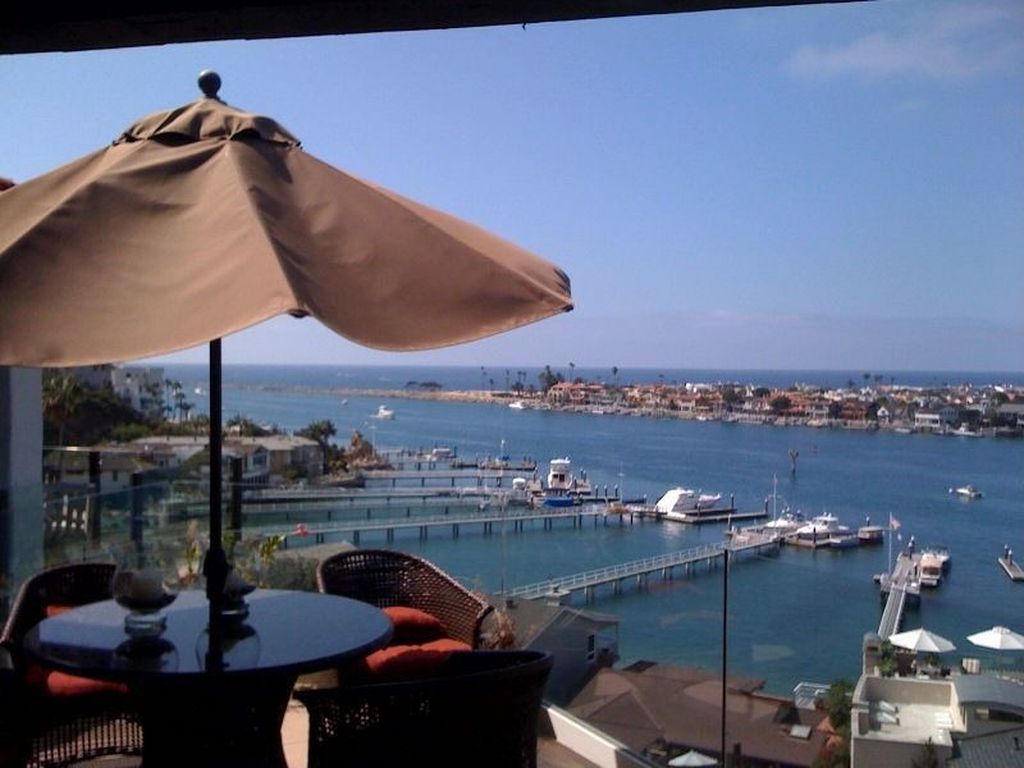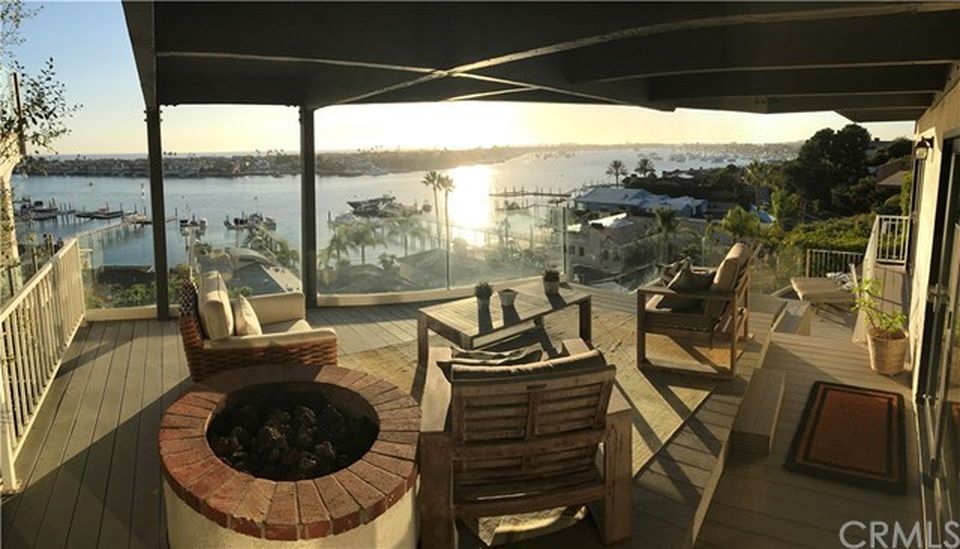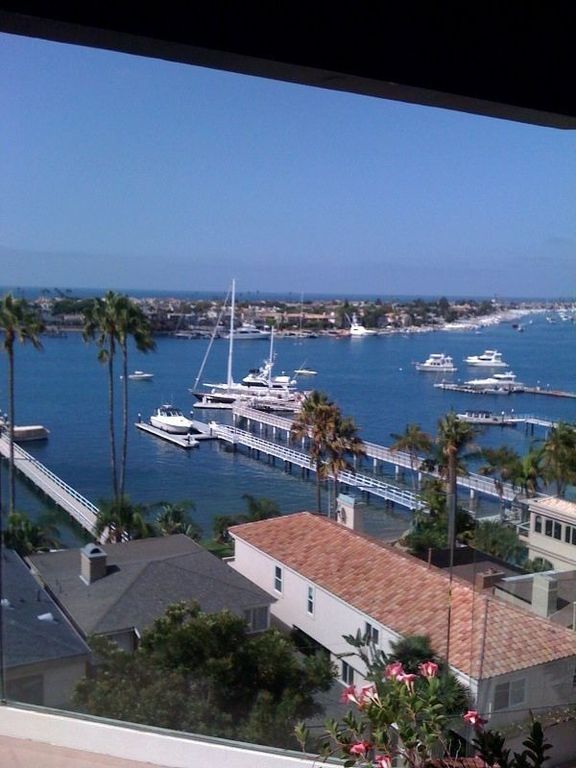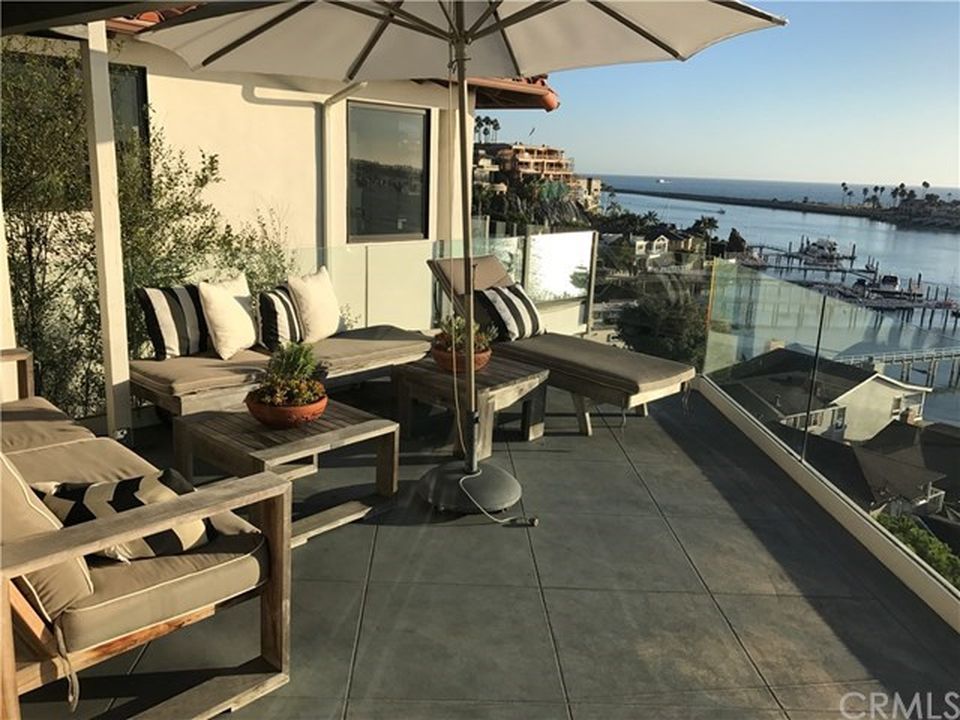
Cottage Profile: 426 Dahlia

Picture of Tom Heffernan

Tom Heffernan

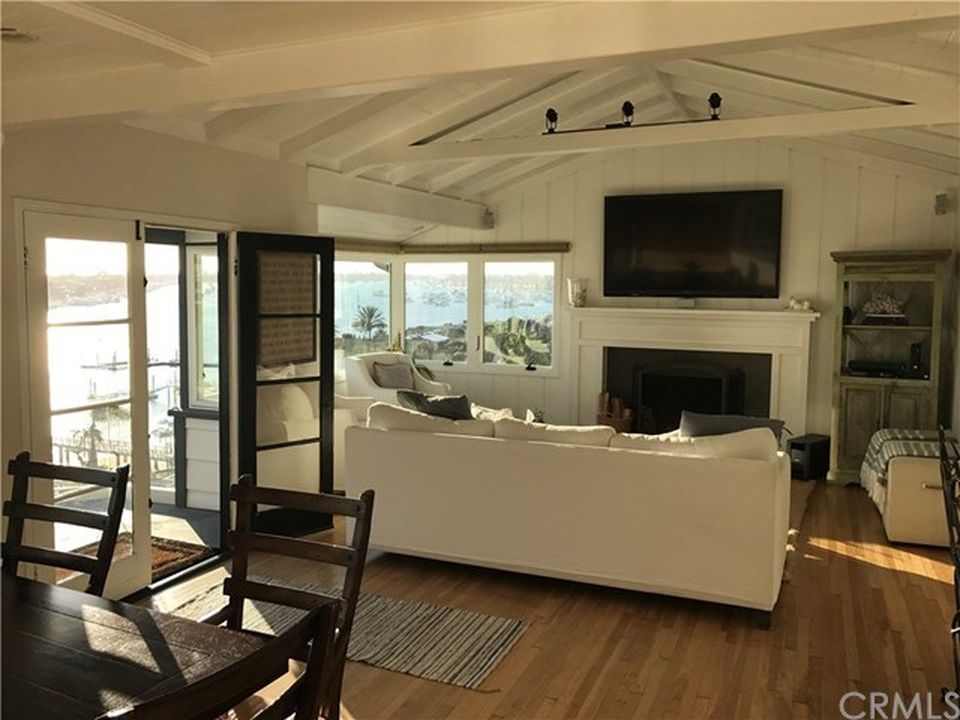
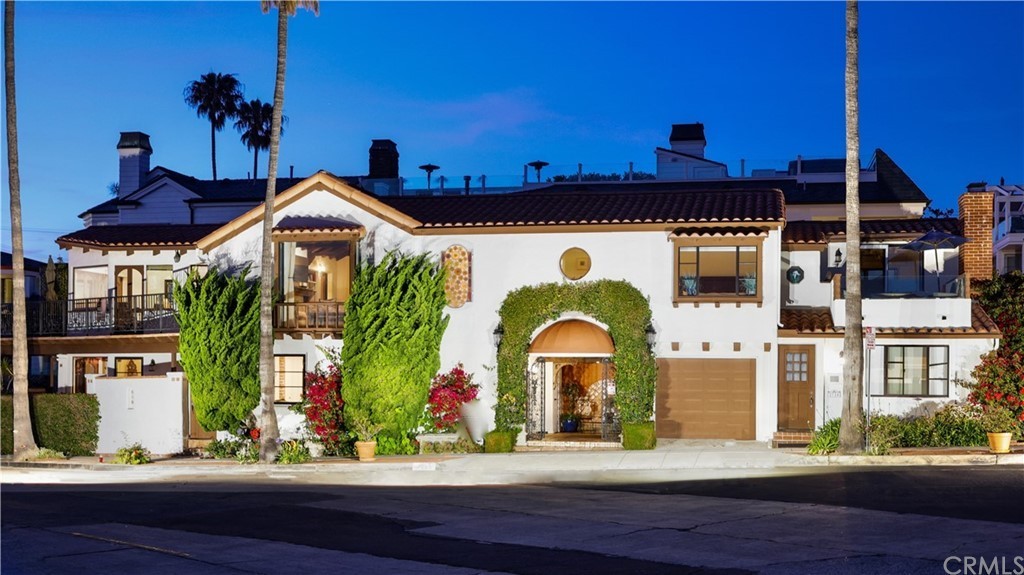
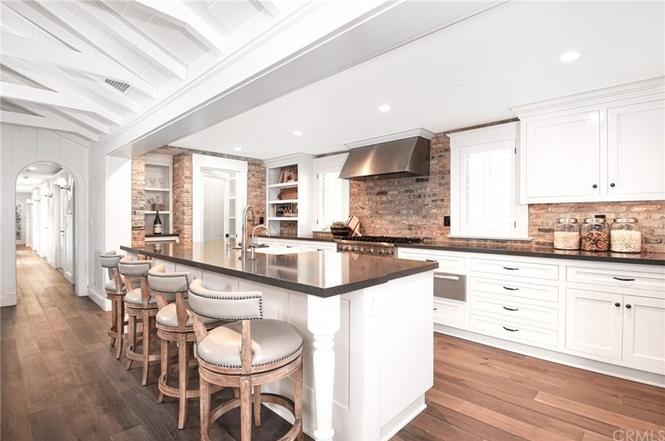
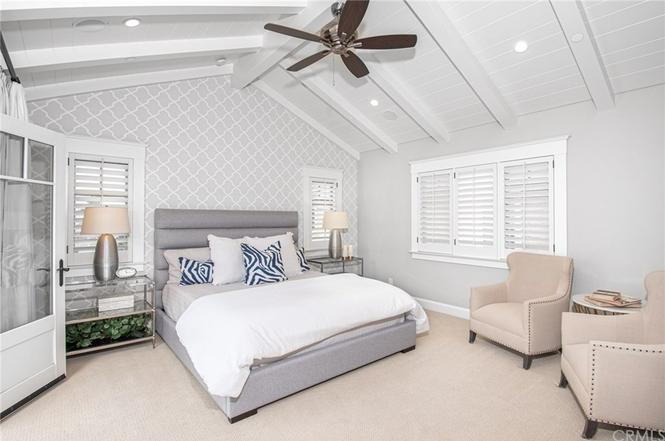
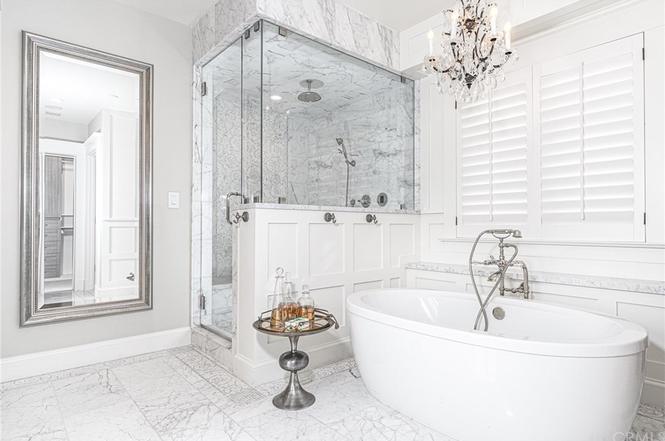
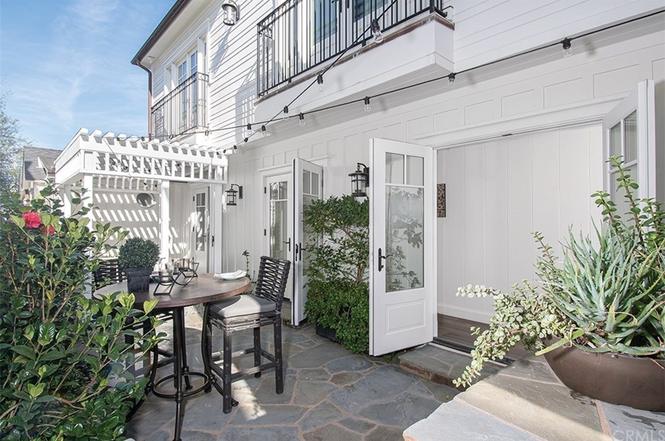
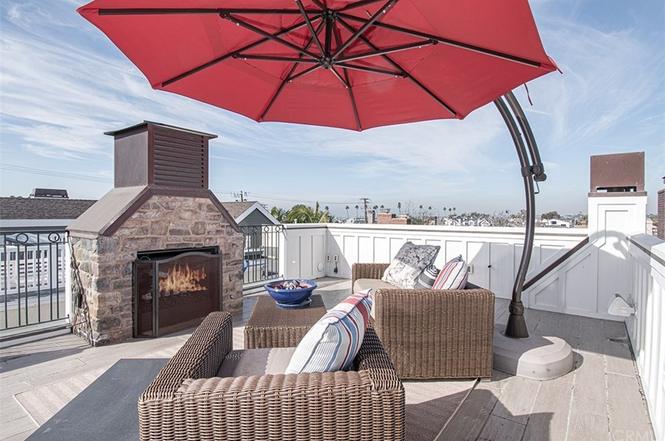
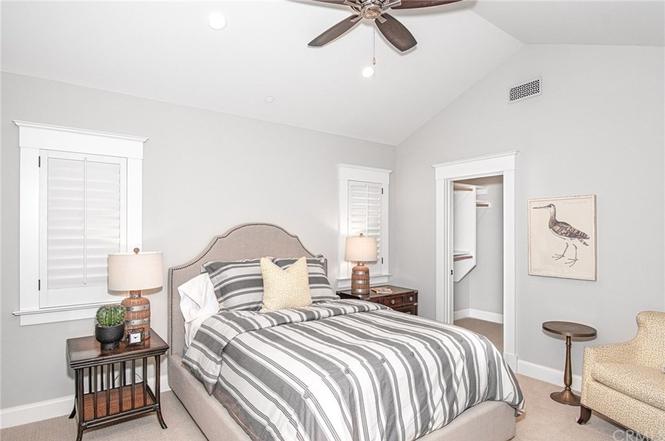
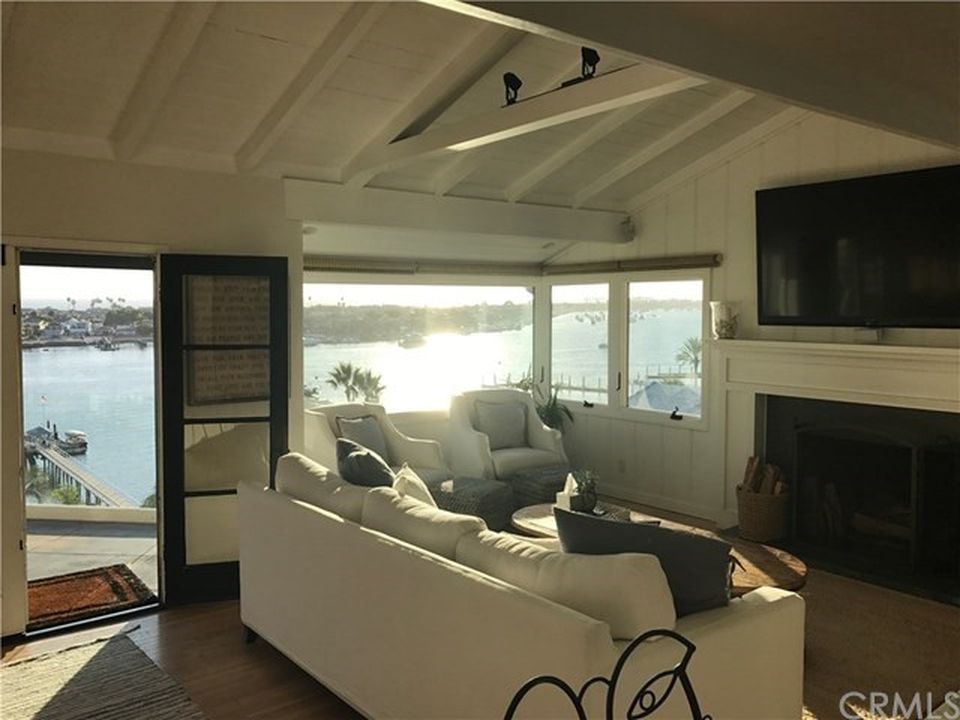
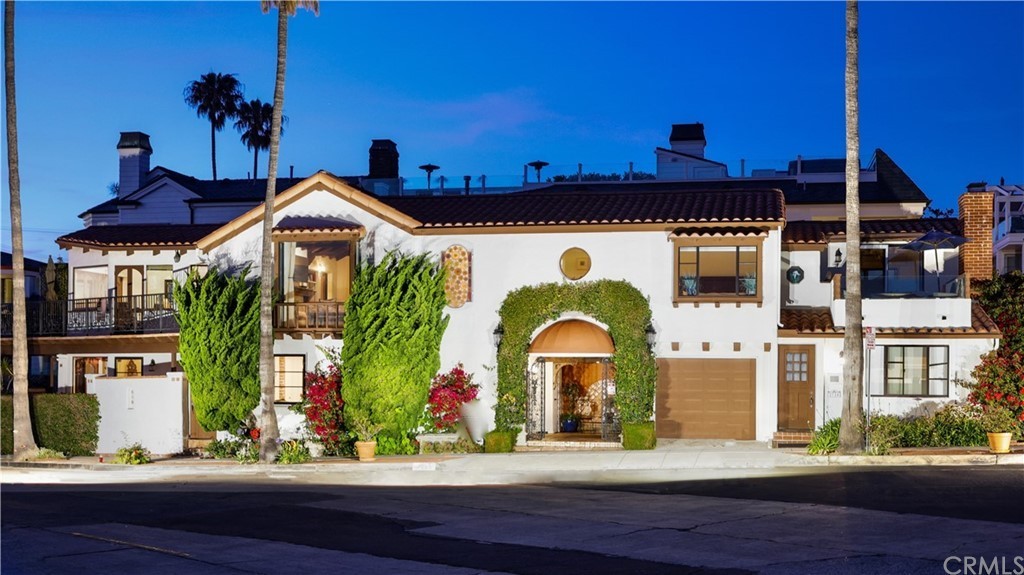
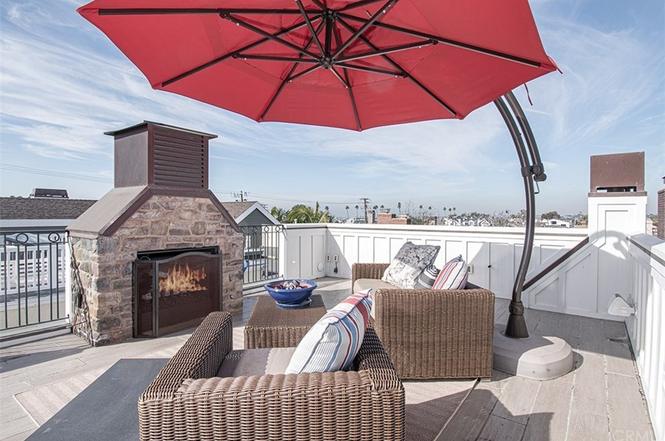
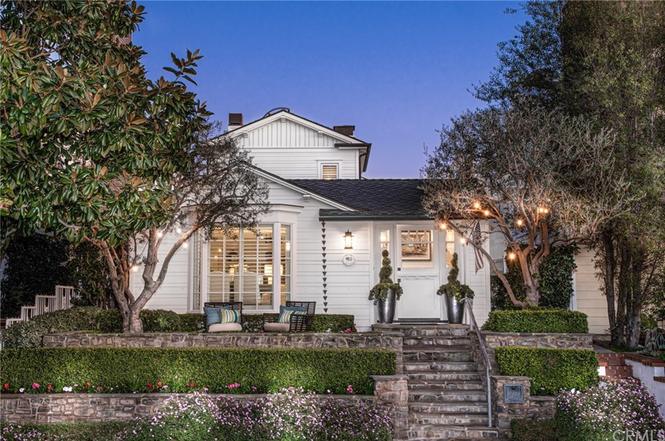
426 Dahlia Ave., Corona Del Mar, CA (Credit: CRMLS; 2020)

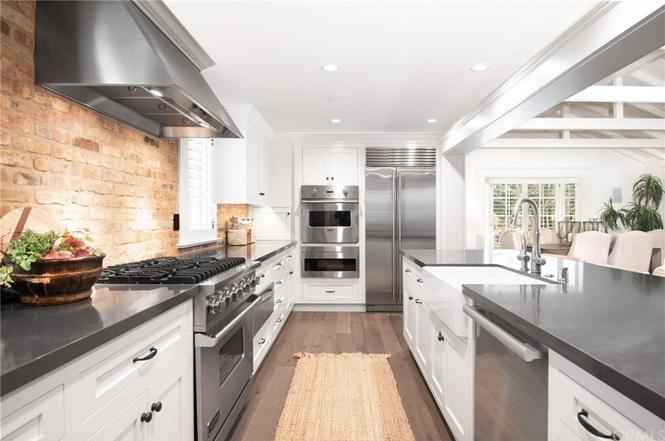
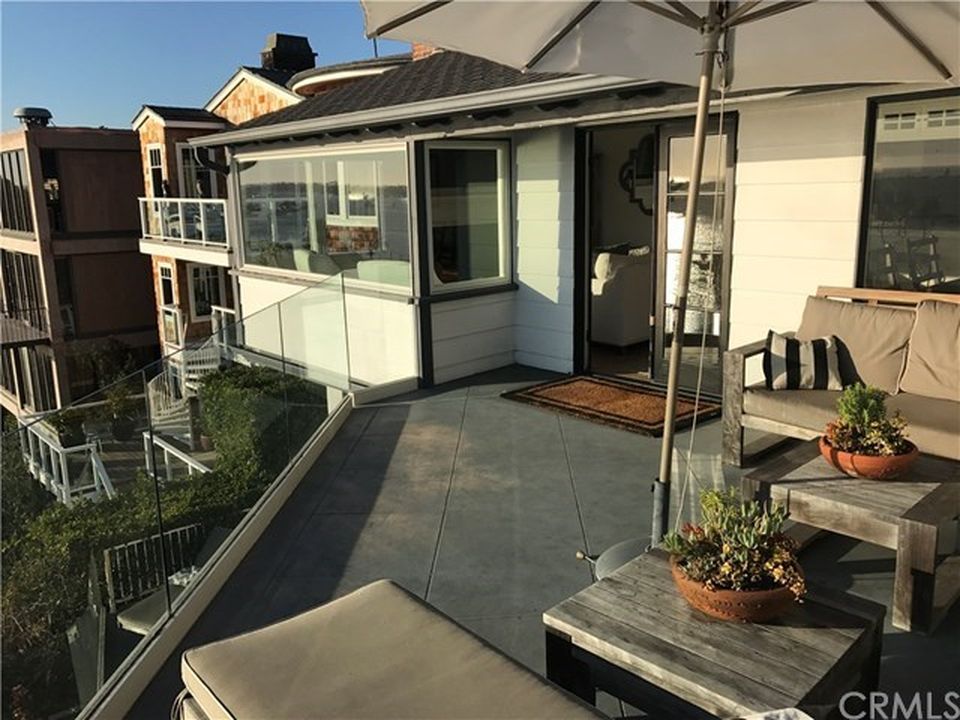
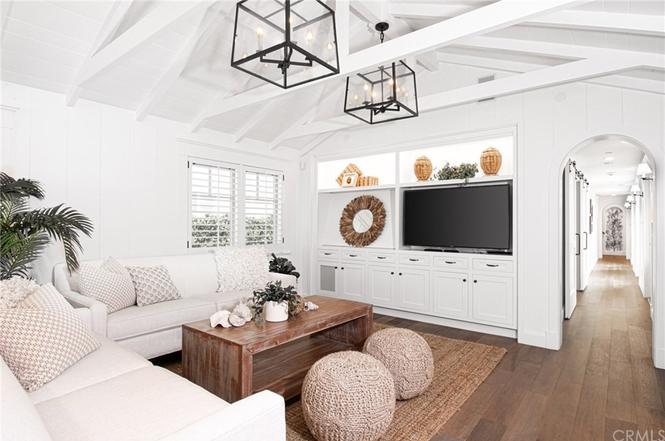
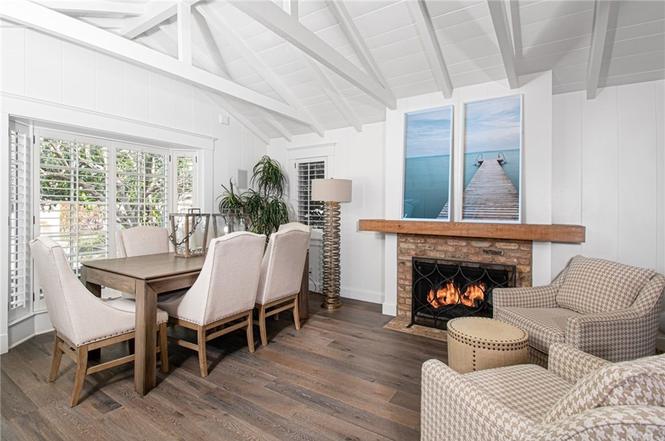
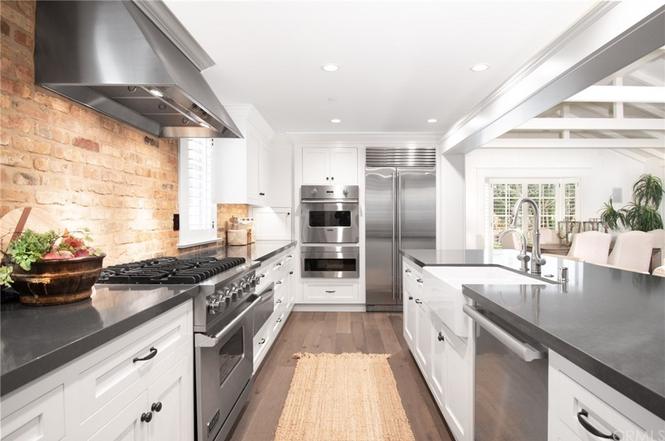
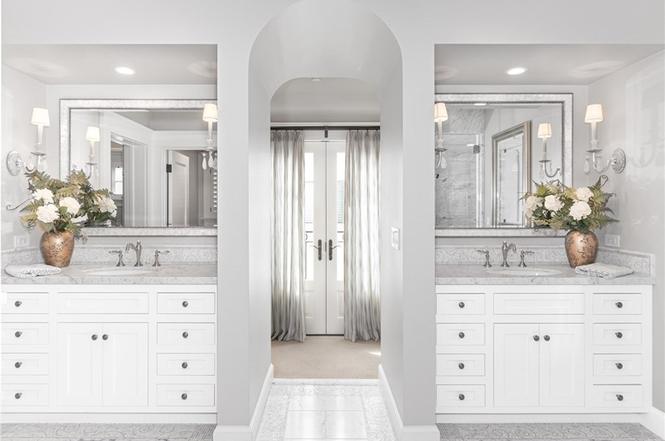
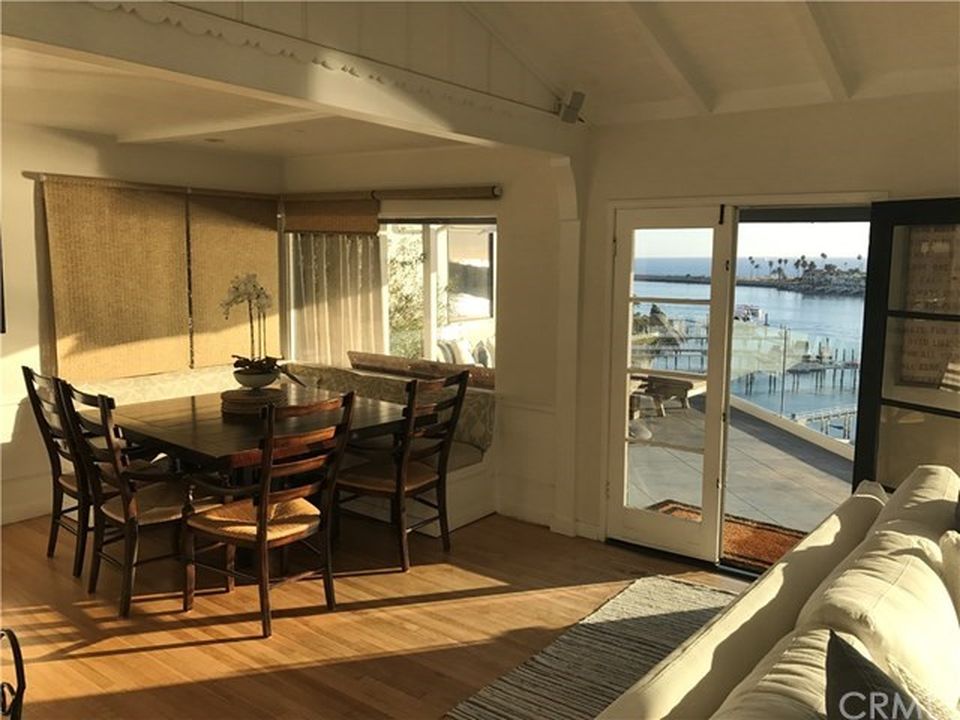
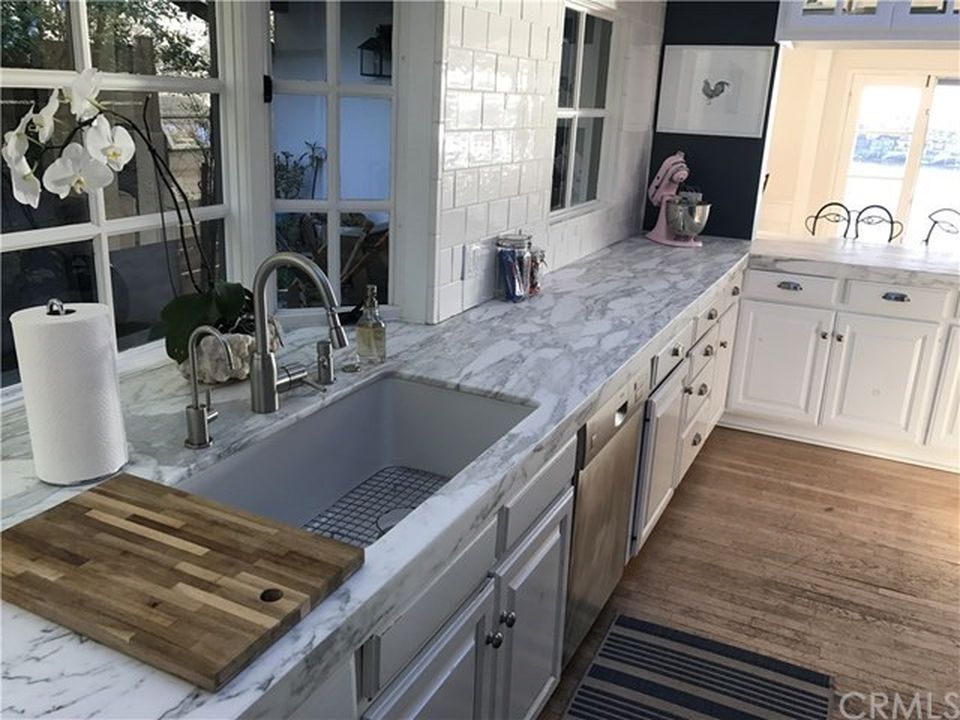
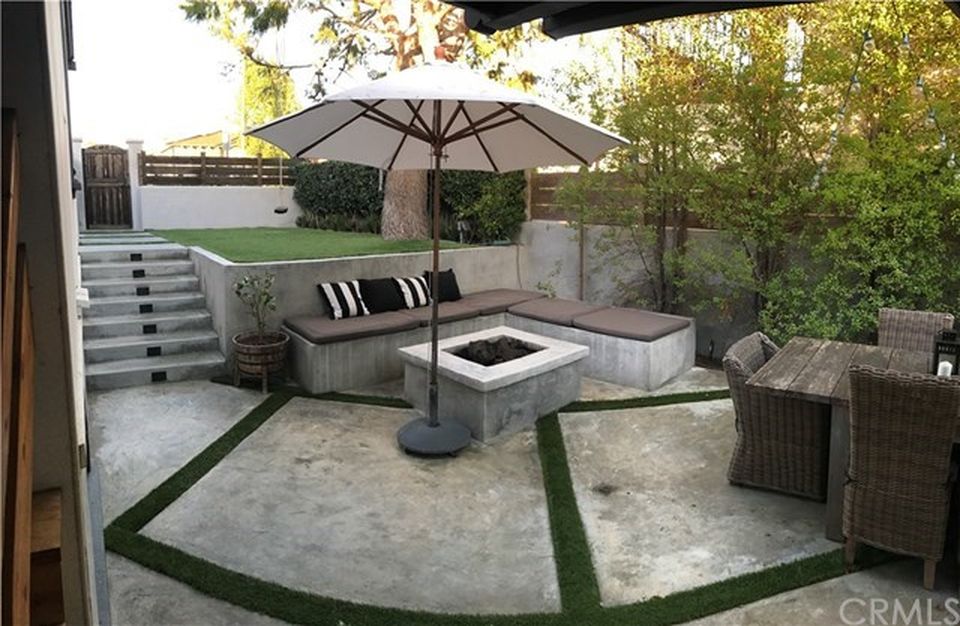
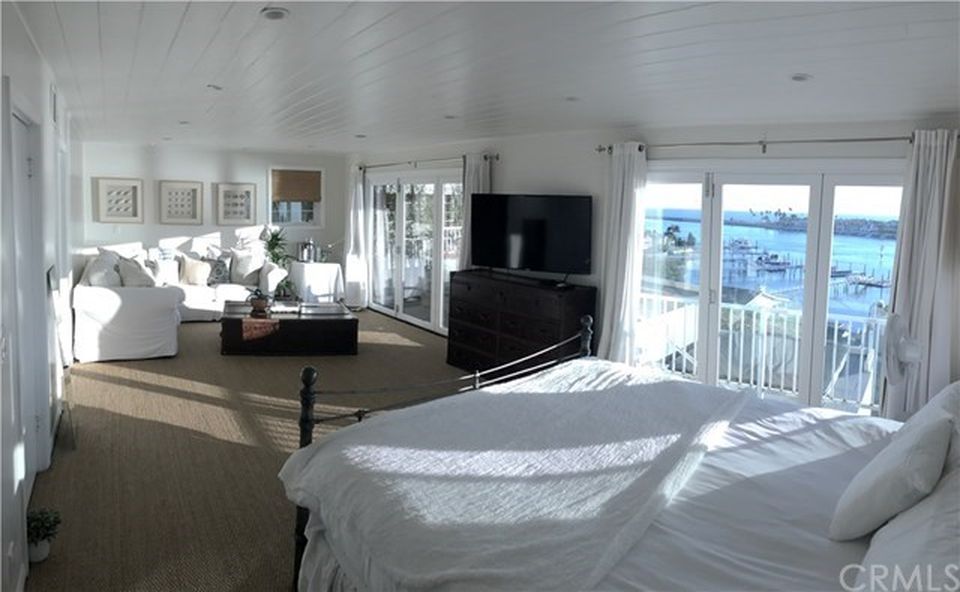
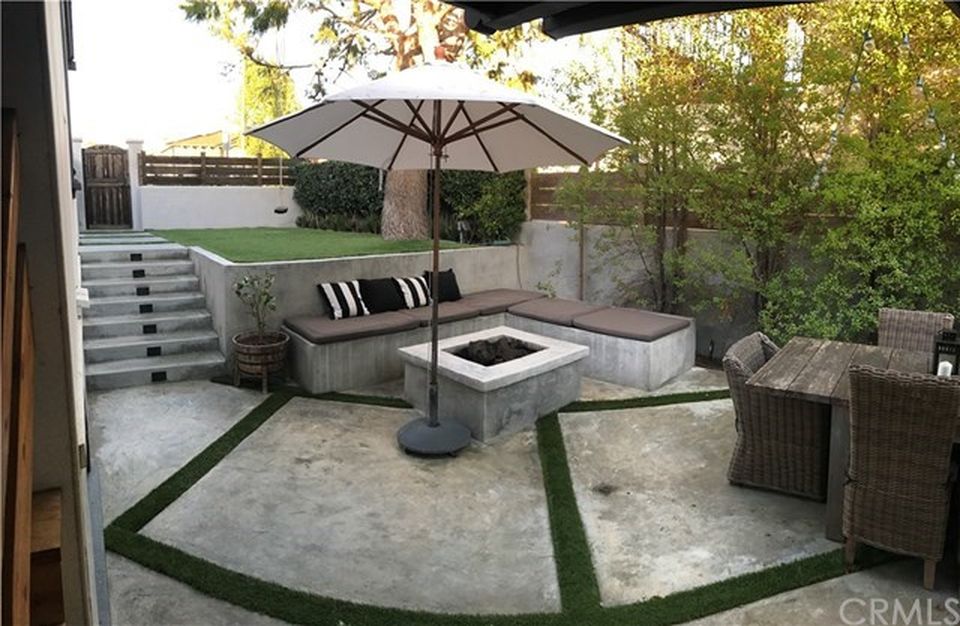
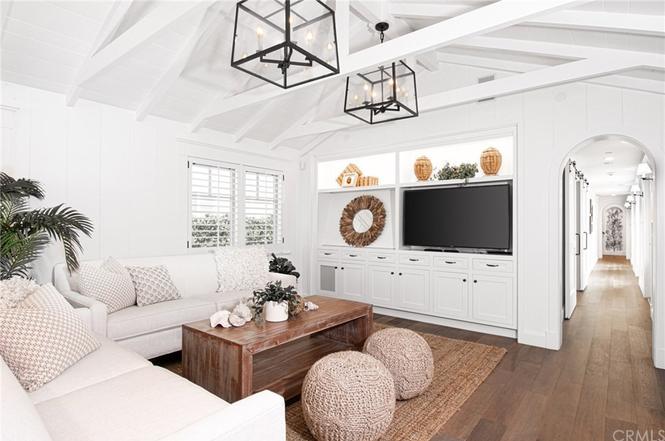
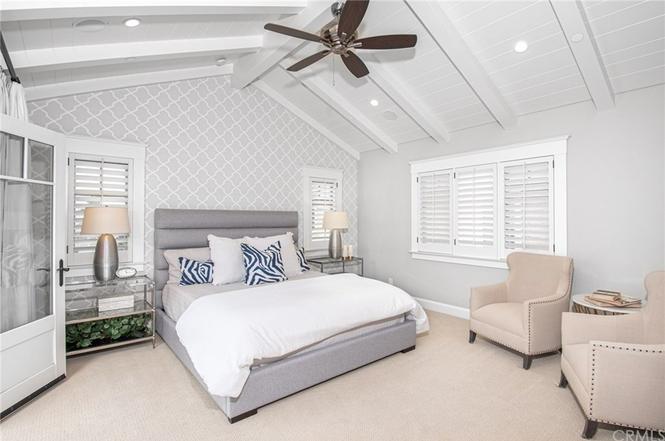
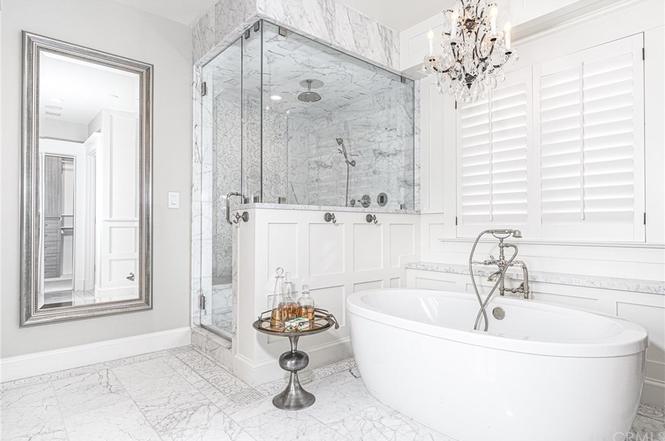
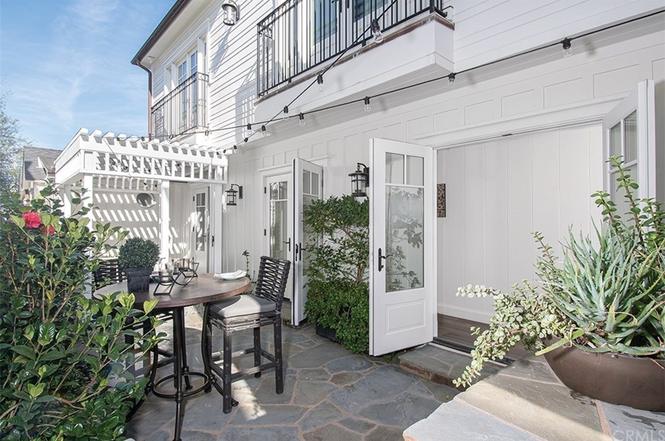
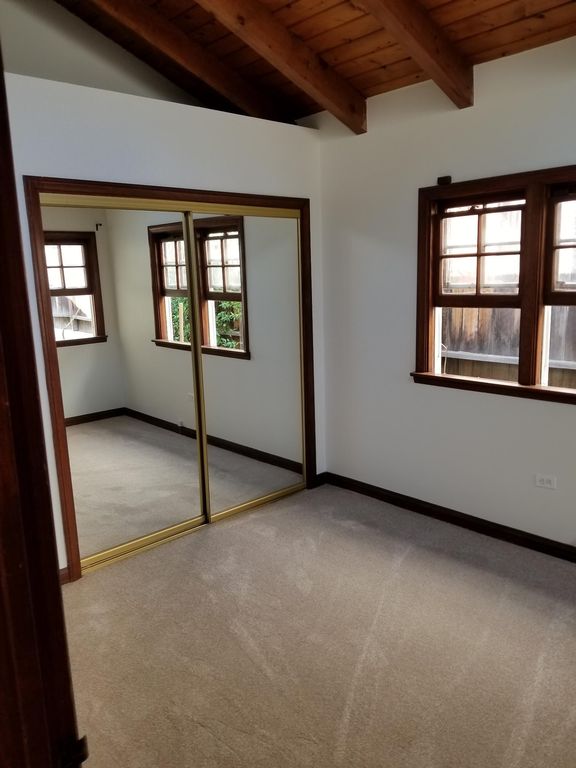
This 1939 cottage is a great example of retaining an original look from the street and interesting interior details like exposed beams while expanding to address modern needs (open floor plan, larger closets, ensuite bathrooms, etc) and make for a great living experience. With the recent amendment to the city’s Cottage Preservation Code, more cottage owners should take advantage of the opportunity to improve the livability of their space and ensure the long-term viability of their home.

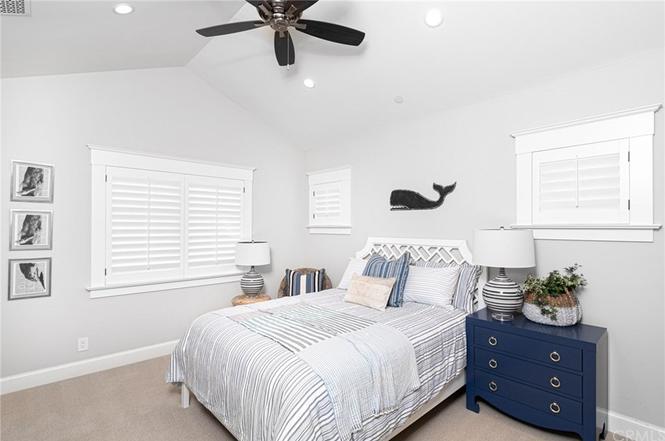
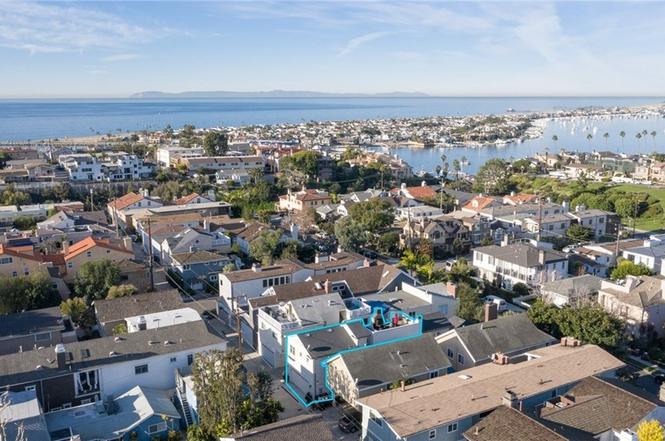
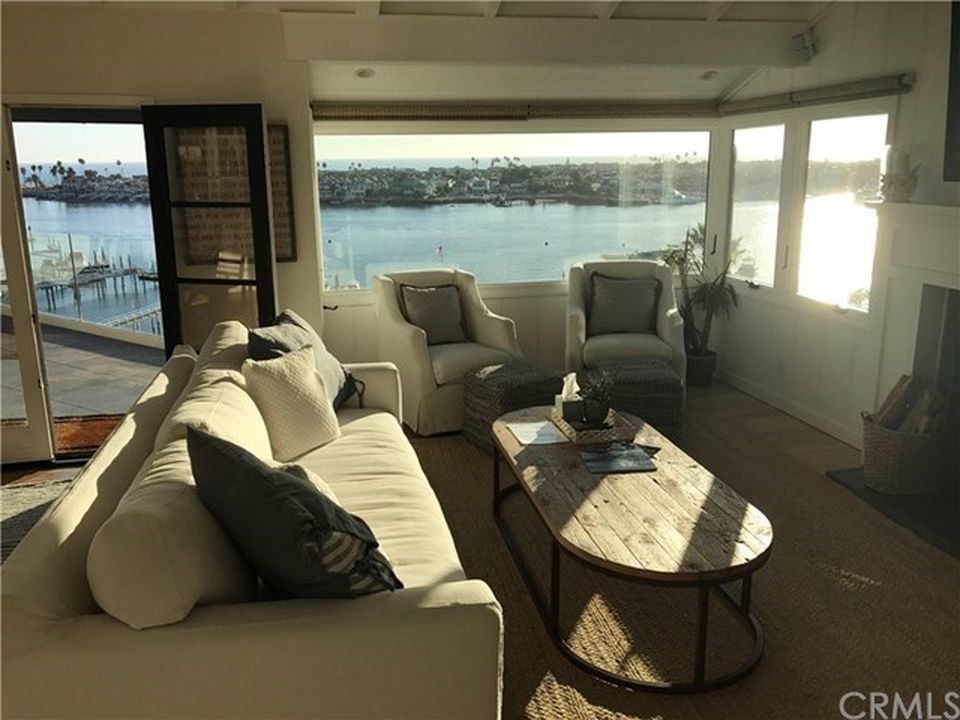
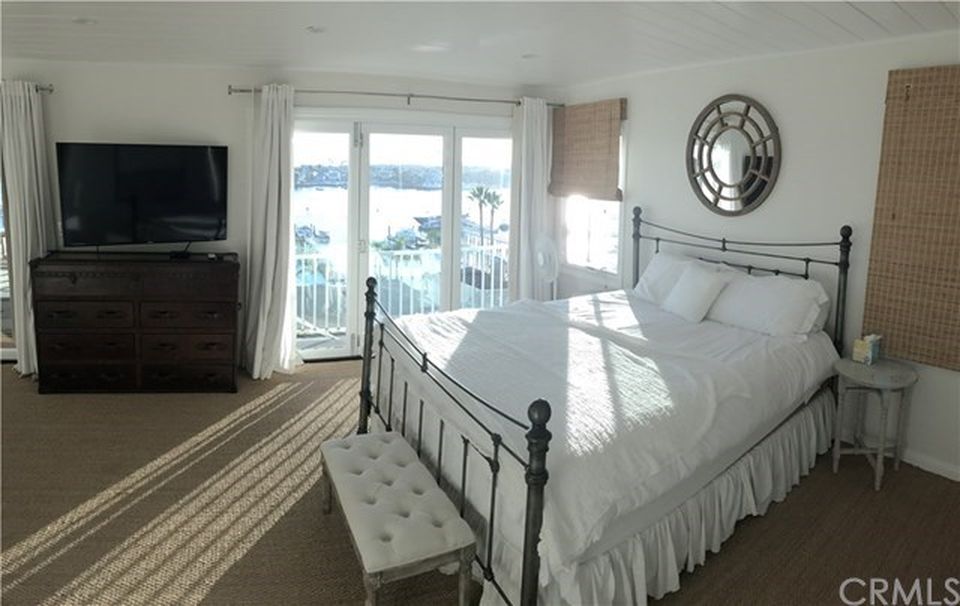
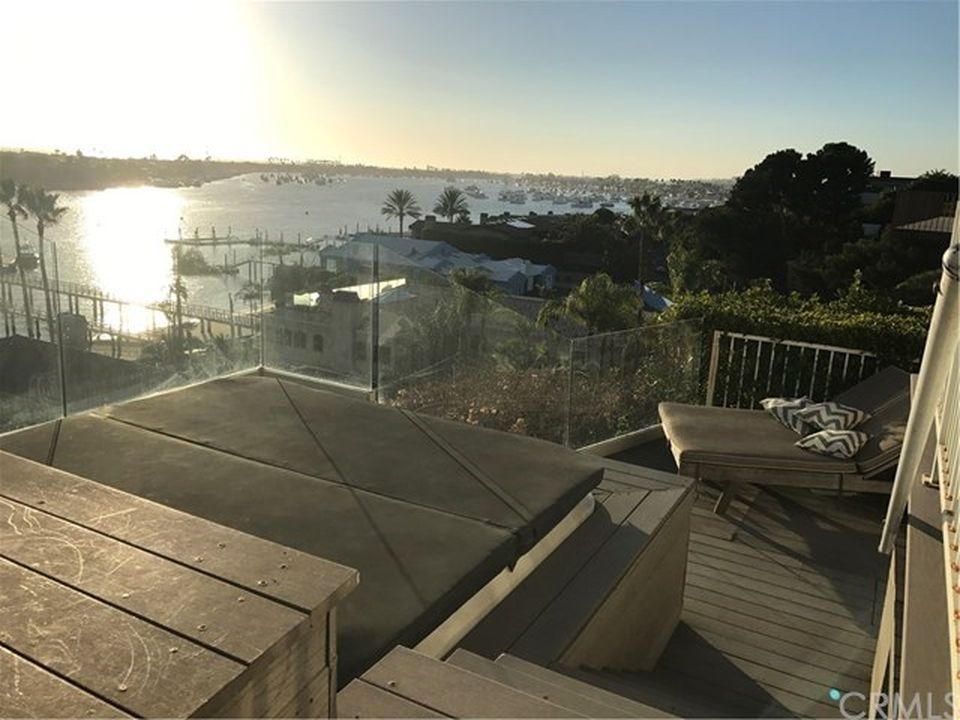
Additional photos of 426 Dahlia Ave., Corona Del Mar, CA  (Credit: CRMLS; 2020)

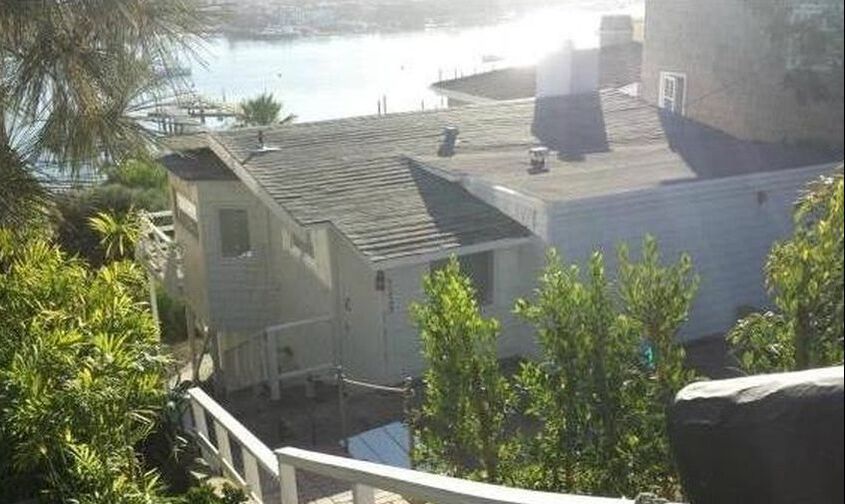
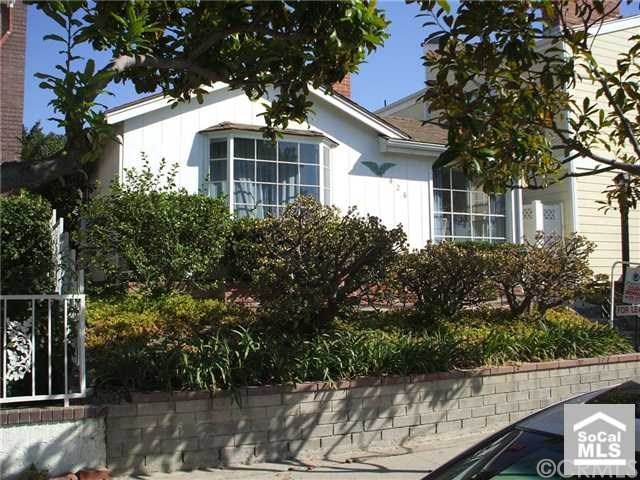
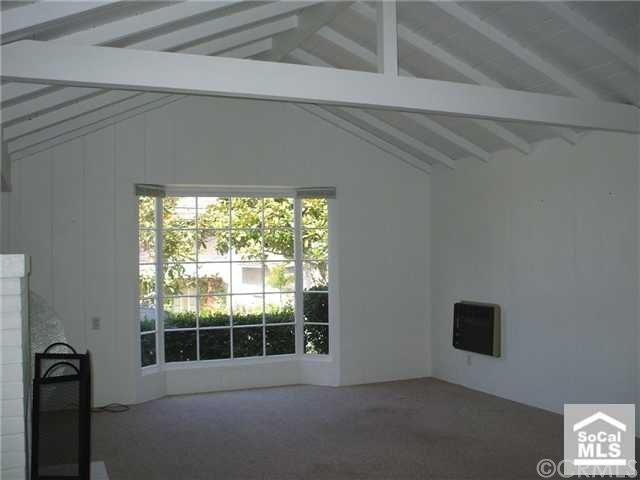
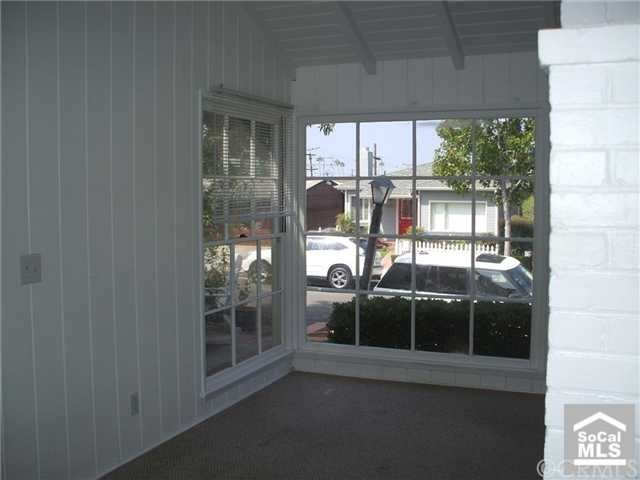
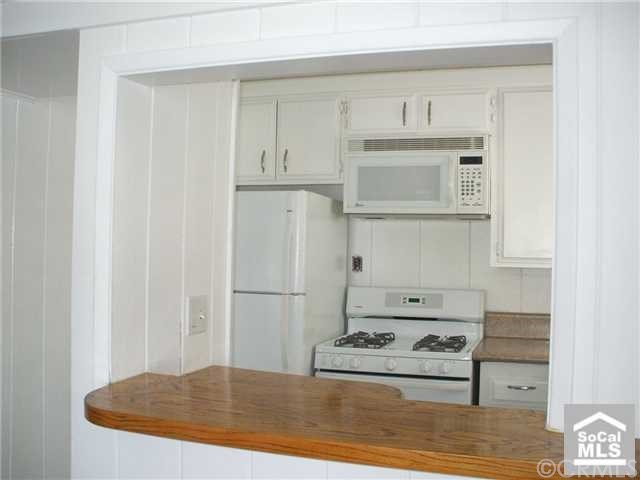
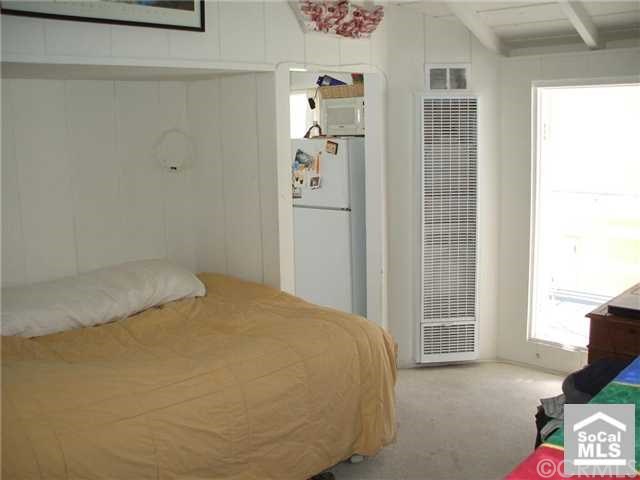
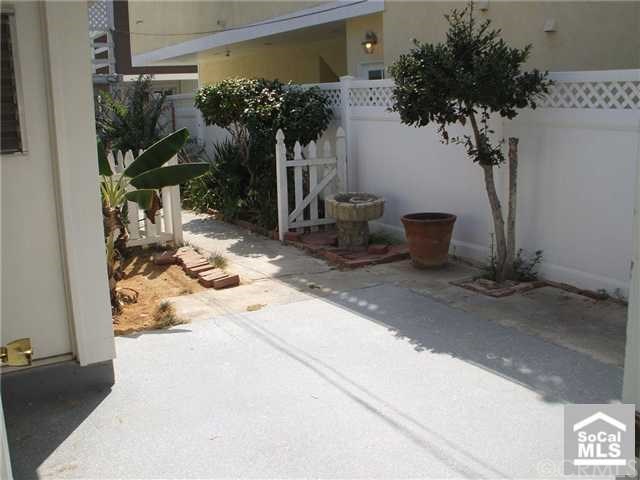
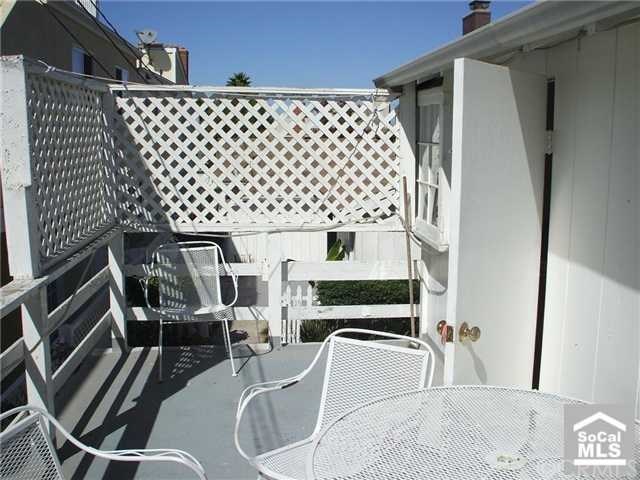
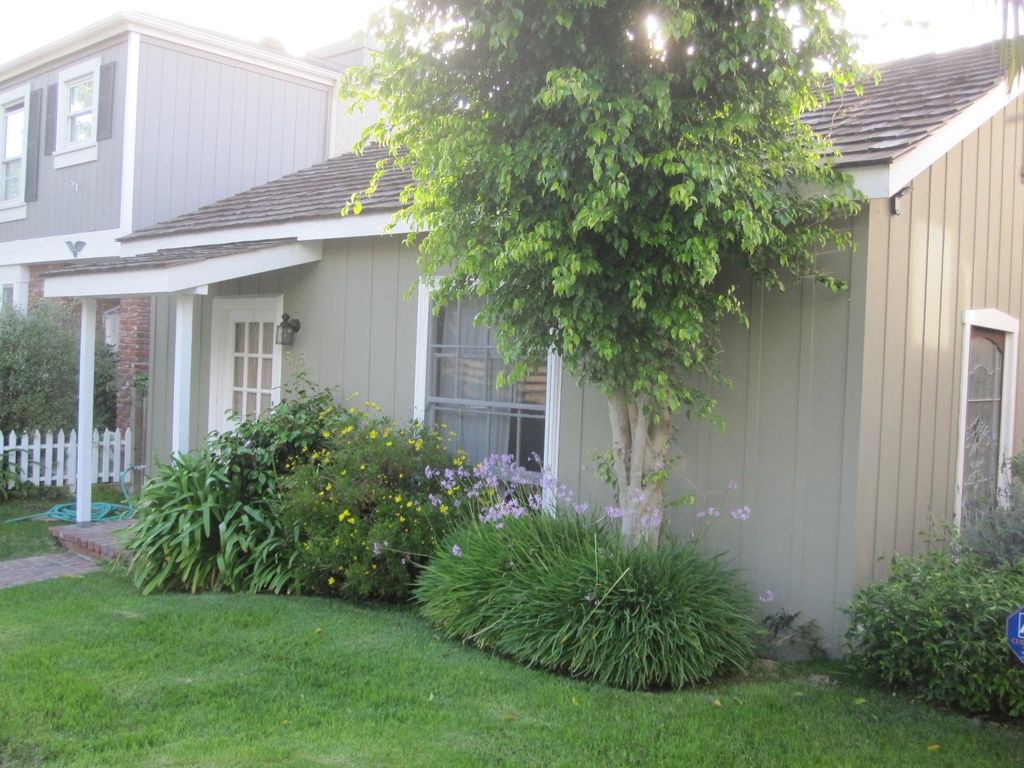
Looking back through the photos from when it was sold in 2009 and then 2017, you can see the house in 2009 that sold for $1.2M looks very much like the type of house that developers are bulldozing all over CDM and replacing with lot line homes. In this case, the buyer invested in a beautiful update to this house, while keeping an original look from the street, and was able to sell it for $3.7M in 2017 and ensure that this house is much too nice to ever meet a developer’s bulldozer. That former owner profited and our community wins because we get to walk past this charming 1939 cottage for many years to come.

Photos of 426 Dahlia Ave. from 2009 (Photos: SoCal MLS; 2009)

Th 4 Bed/3Ba/2800sq ft house is on the market now, listed by The Thomas Group at Surterre Properties. After a recent price move it is priced similarly to what it sold for in 2017.

Photo Gallery of 426 Dahlia Ave., Corona Del Mar, CA in 2020 (Photo: CRMLS)

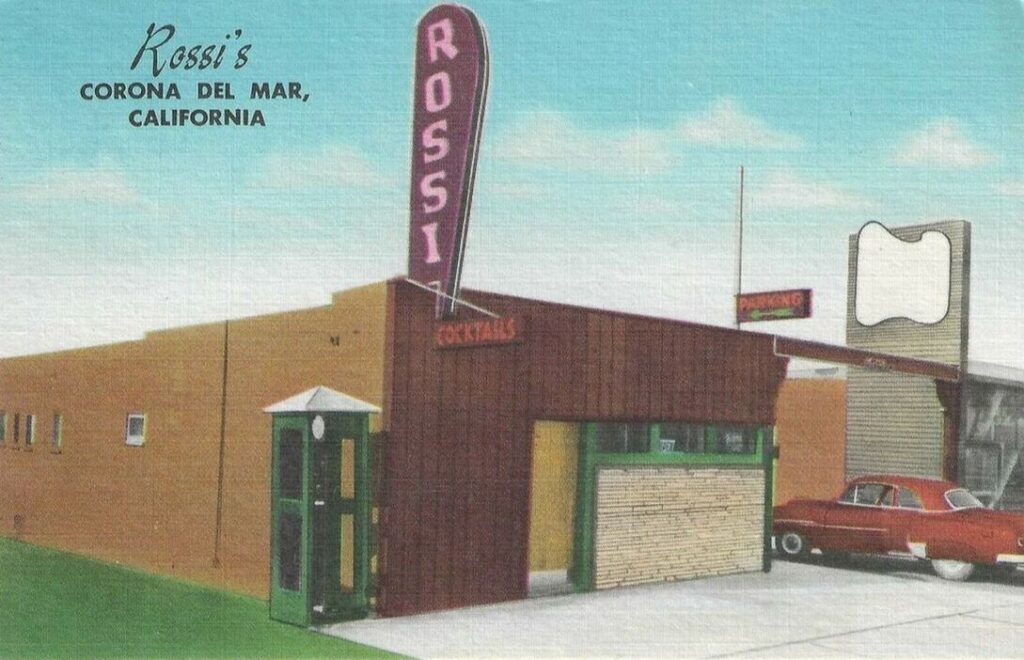
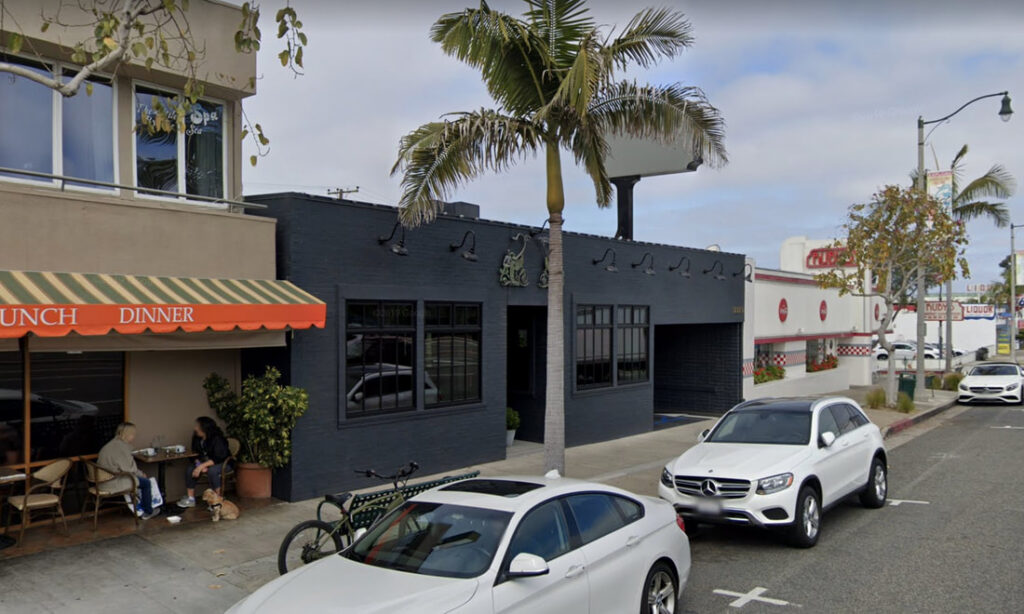
From Rossi’s to CdM Restaurant

Picture of Tom Heffernan

Tom Heffernan

A postcard of Rossi's Cafe, then located at 2325 East Coast Hwy

In his column ‘The Verdict’, Judge Robert Gardner called Rossi’s Cafe “the finest Italian restaurant I have ever patronized.” He added, “Mama Rossi featured her pickled mushrooms, which had to be tasted to be believed. I have always thought that her pickled mushrooms were particularly good because Mama Rossi used wild mushrooms she picked on the hills surrounding the present Fashion Island.”

CdM Restaurant is now at that location today.
Rossi’s was located where CdM Restaurant is today at 2325 E. Coast Highway. According to an OC Register article, this location has also been the home of Matteo’s, Brio, Garlic Joe’s, Tiramisu, Belle Theresa, and more recently, The Crow Bar.

Frank Lloyd Wright’s Influence in CdM

Picture of Tom Heffernan

Tom Heffernan

Did you know…
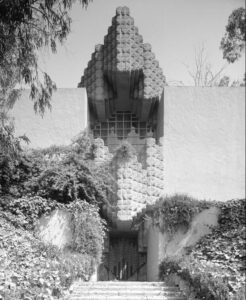
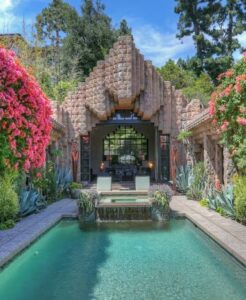
Frank Lloyd Wright’s son, Lloyd Wright, designed a building along PCH in CdM? 

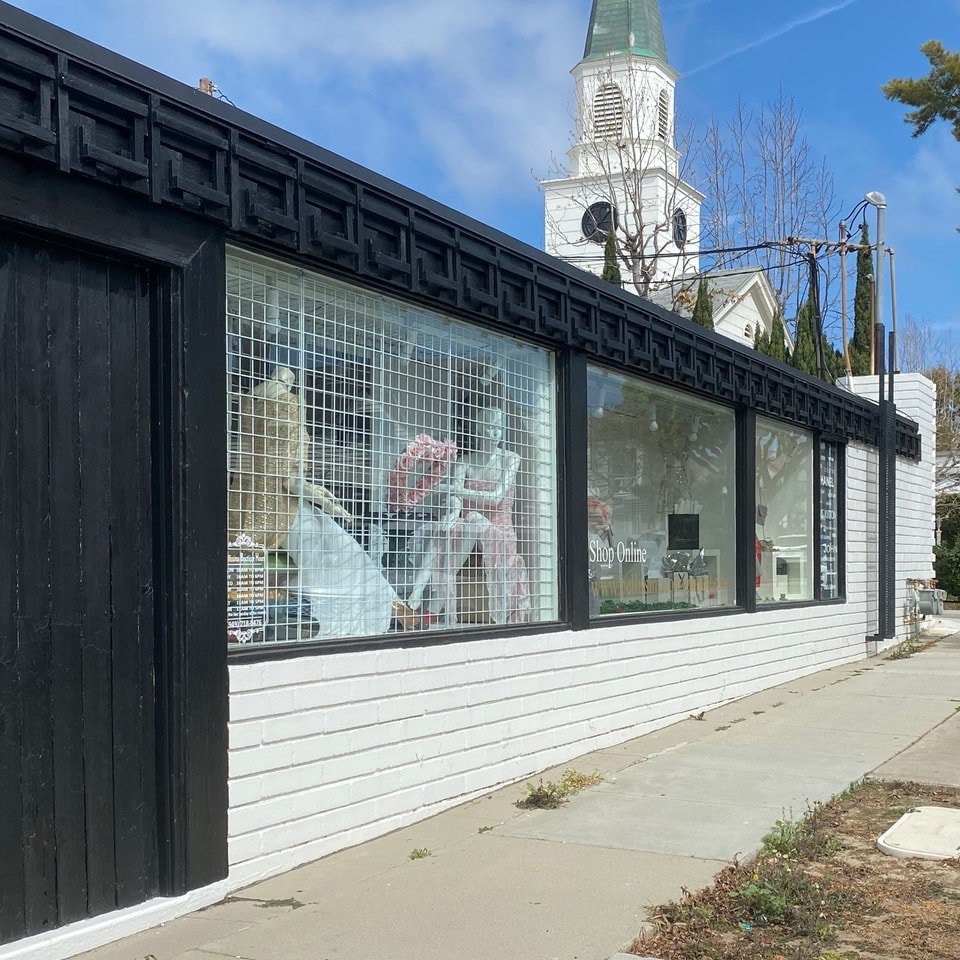
Retail Building at 2850-2854 East Coast Highway (Photo Credit: Ron Yeo)

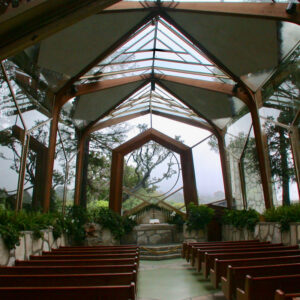
A renowned architect in his own right, Lloyd designed the famous all glass “Wayfarers Chapel” in Palos Verdes as well as band shells at the Hollywood Bowl among other projects.  Lloyd originally designed the building at 2850-2854 East Coast Hwy for the Ensign Newspaper and it had a big floor pit that contained the large paper rolls for printing production.  The Ensign shut down in June 1989 after 41 years as “Newport Beach’s only home-based newspaper.”  Today, the Lloyd Wright-designed building is home to Bellissima Resale, Tony Florez Photography, Home Loans by Jeff Edwards, and California Closets.

Wayfarer's Chapel in Palos Verdes
Sowden House
Sowden House

One of the features that sets this building apart from the other storefronts along PCH are the diagonal masonry walls facing the western sun that protect the diagonal glass show windows.  

(Photo Credit: Ron Yeo)

Another unique feature is the delicate wood eave pattern that was made of teak and has now been painted over in black.

(Photo Credit: Ron Yeo)

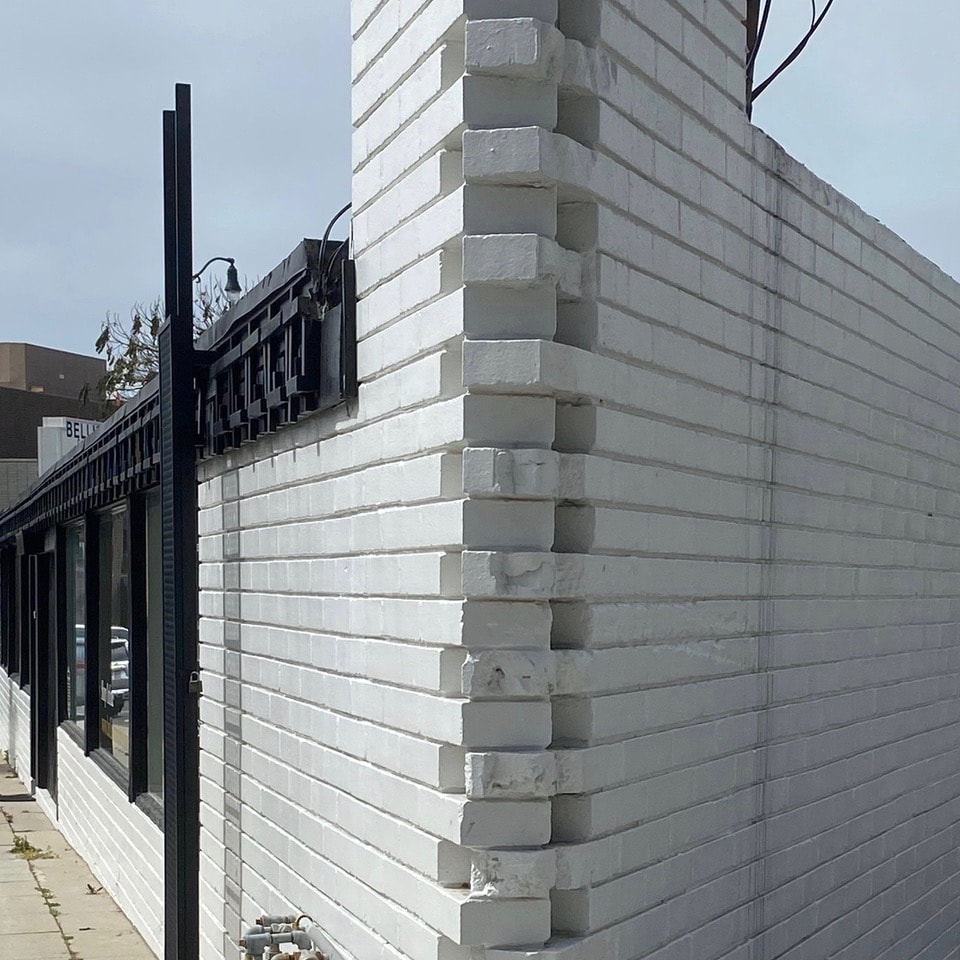
The distinctive interlocking masonry corners can be seen at the start of the building on PCH by Bellissima or around the corner down Heliotrope at the back of the building.

(Photo Credit: Ron Yeo)

Special thanks to CdM Architect/Artist Ron Yeo for sharing this info and these photos with us.

Cottage Profile: 2235 Pacific

Picture of Tom Heffernan

Tom Heffernan

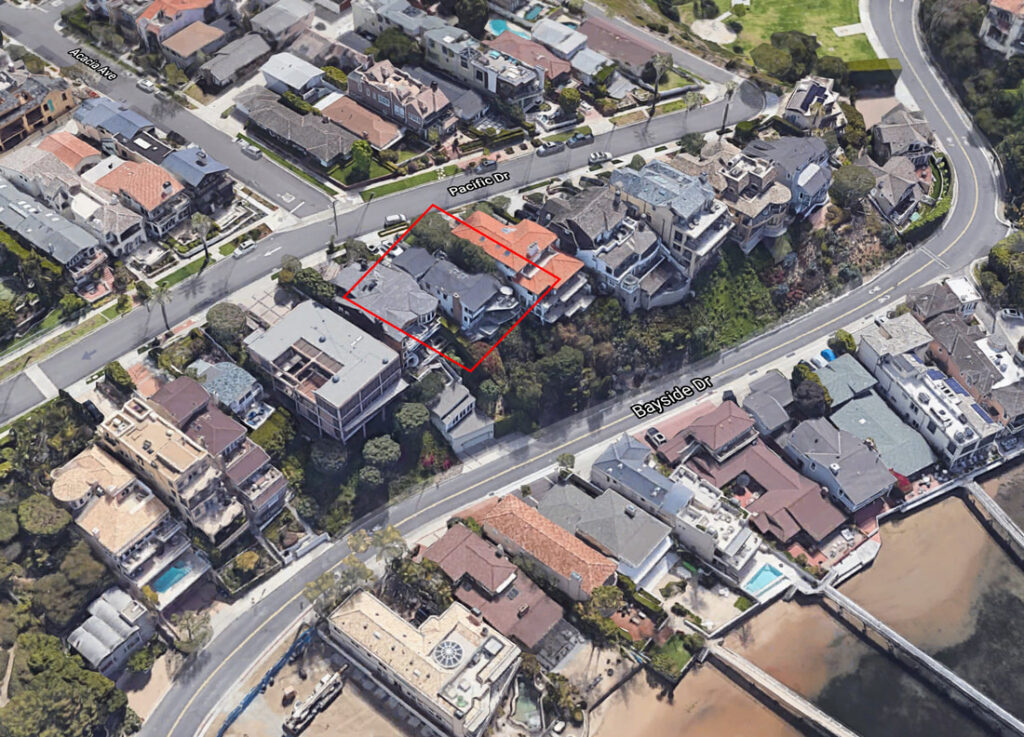
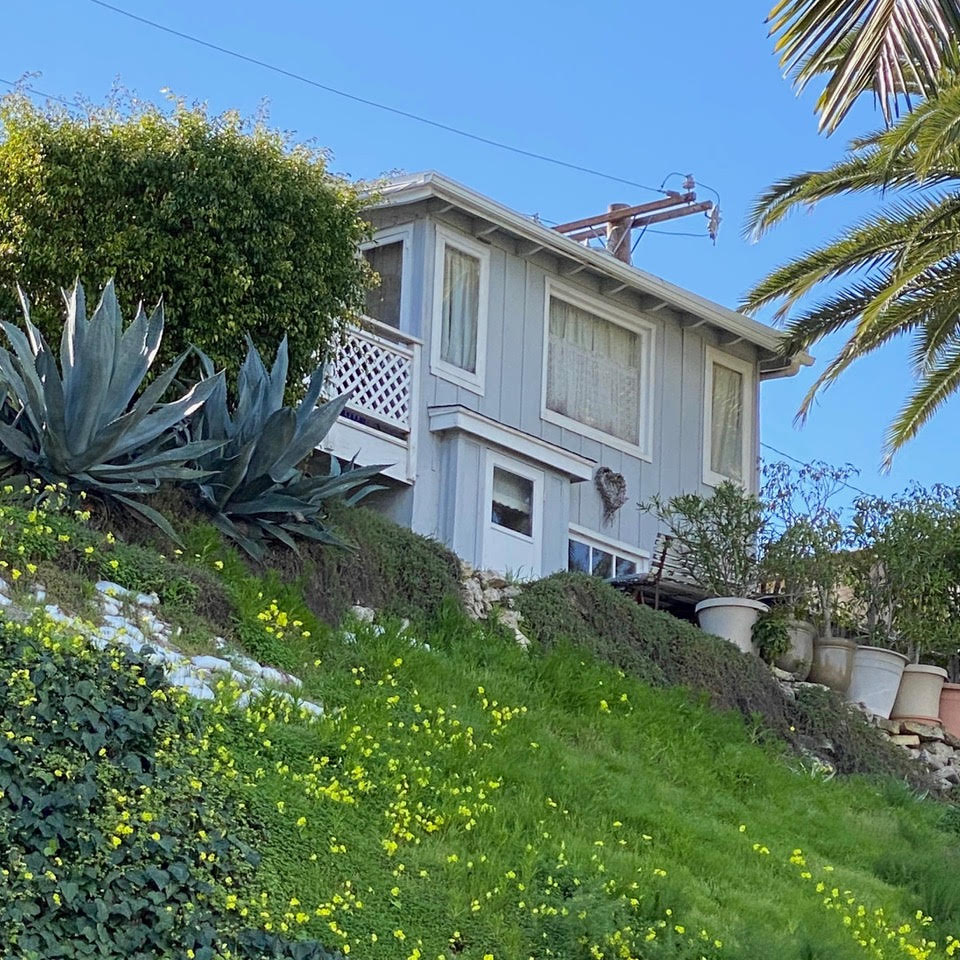
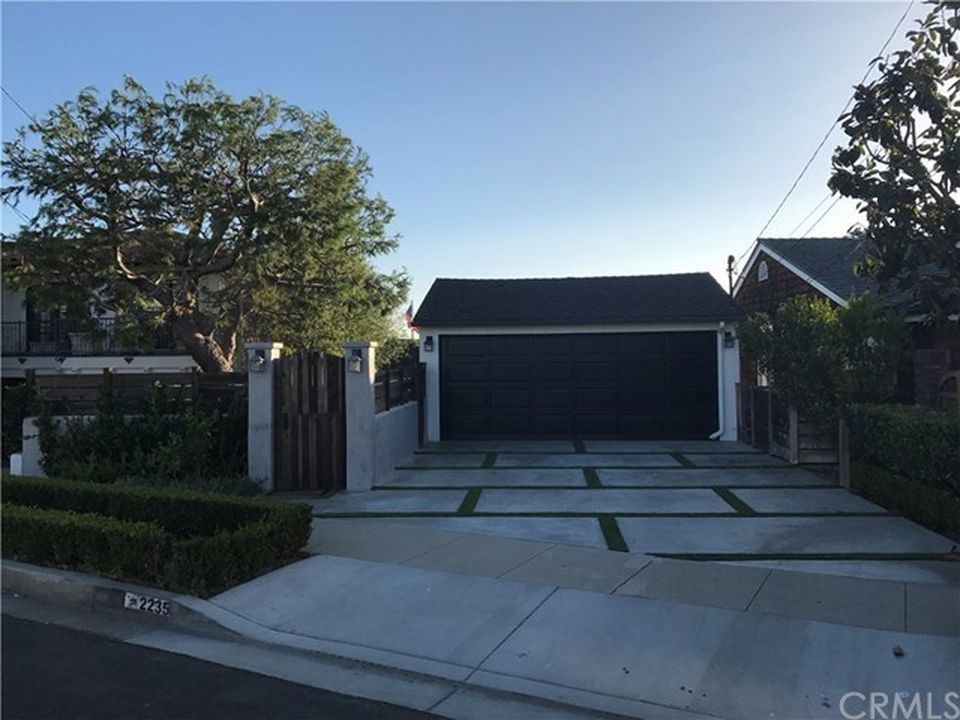
2235 Pacific Dr., Corona del Mar, CA (Photo credit: MLS)
One of the rare survivors with an amazing view, this 1936 cottage sits on the edge of Pacific Dr. over Bayview, with a clear view of the Bay and out to the Ocean.

Photo credit: Google Maps

Located at the end of Acacia where it runs into Pacific, the 2-story home looks to have the main living areas and a secondary bedroom on the top floor and the master bedroom on the floor below it.  

Both the living room and master bedroom have massive views out the front of the house and there are decks on each level.  The 3BR/3BA, 1600 sq ft house sold for $2.45M in 2003 and looks like it has been rented out more recently.

From Hurley Bell to Five Crowns

Picture of Tom Heffernan

Tom Heffernan

Five Crowns, 2018

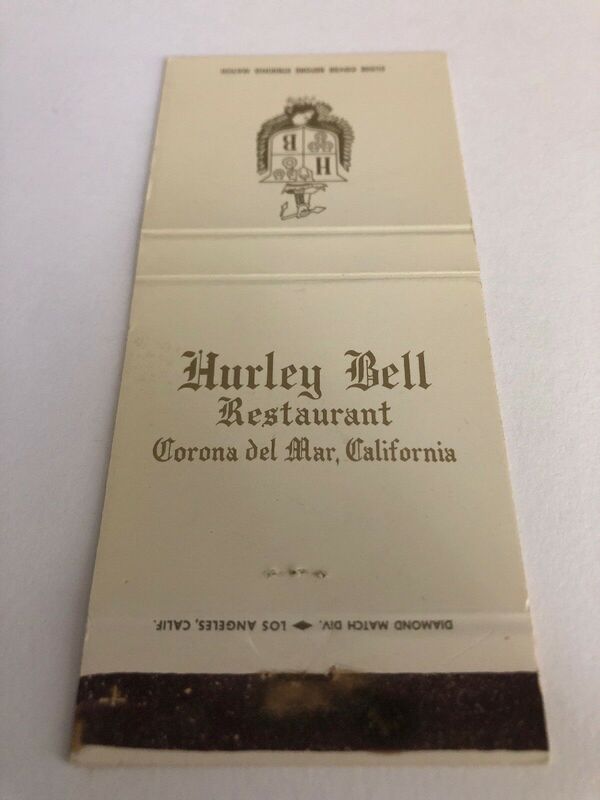
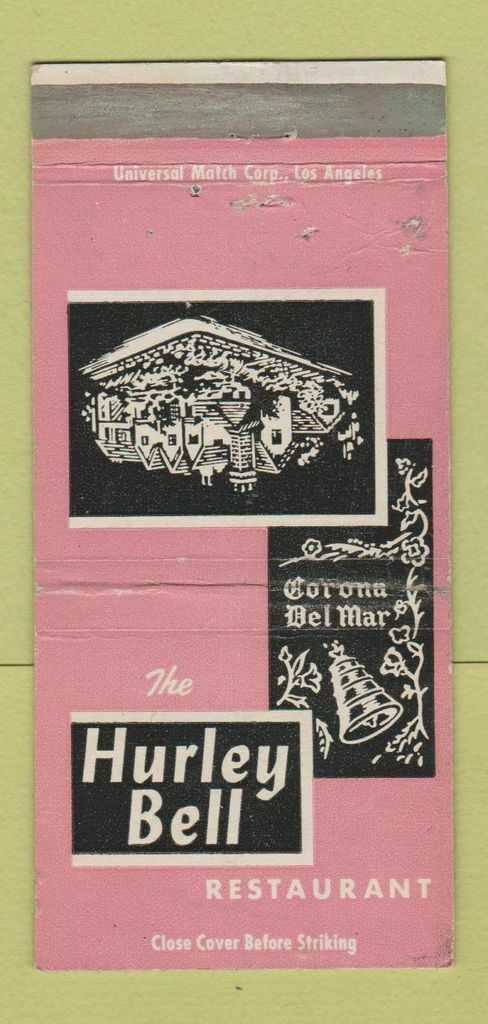
Corona Del Mar’s oldest restaurant, known today as Five Crowns was built in 1936 by Matilda “Tillie” Lemon MacCulloch.  An American wife of a wealthy Scotsman, she lived in England but had grown up visiting Southern California as a child.  She modeled it after Ye Olde Bell, an inn at Hurley-on-Thames, 35 miles west of London, England and called it the Hurley Bell.   Local architect Shelby Coon used photographs of the inn to design it.  Originally planned to be an inn, the MacCullochs ended up making it their home.  

Matilda MacCulloch, 1900. (Credit: Marguerite Atkinson Collection, Sherman Library.)
​Shelton McHenry and Bruce Warren who ran the Tail o’ the Cock Restaurant in Los Angeles leased it for a new location in 1943 but it would only last for 3 years.  Tillie and her daughter would revitalize the Hurley Inn for a few years until Tillie’s death in 1948.  
Ye Olde Bell Inn in Hurley-on-Thames

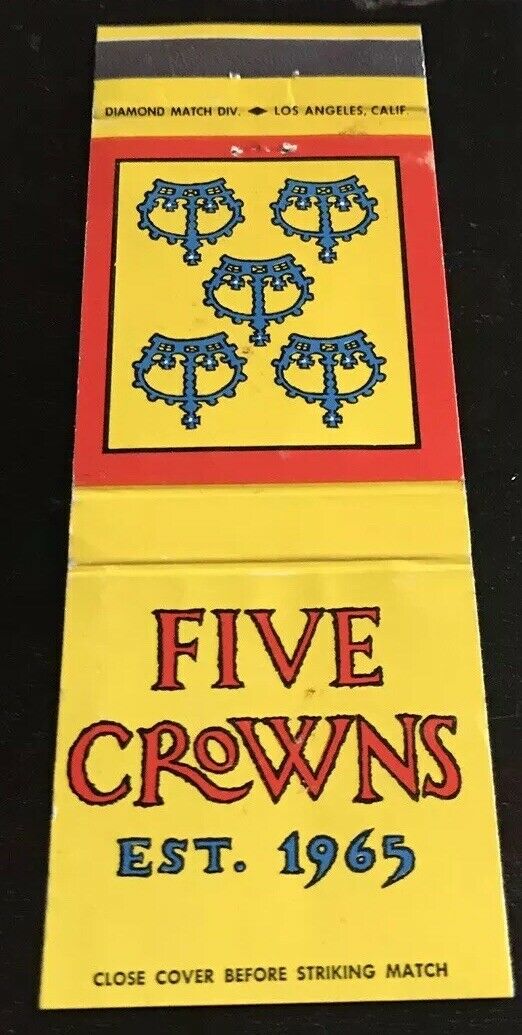
After leasing it to a series of unsuccessful entrepreneurs, the restaurant was leased to the Frank and Van de Kamp families and was re-modeled and re-opened as the Five Crowns in 1965.  It continues to operate today, having been purchased by Lawry’s Food Corporation in the 1980s.

Cottage Profile: 515 Fernleaf

Picture of Tom Heffernan

Tom Heffernan

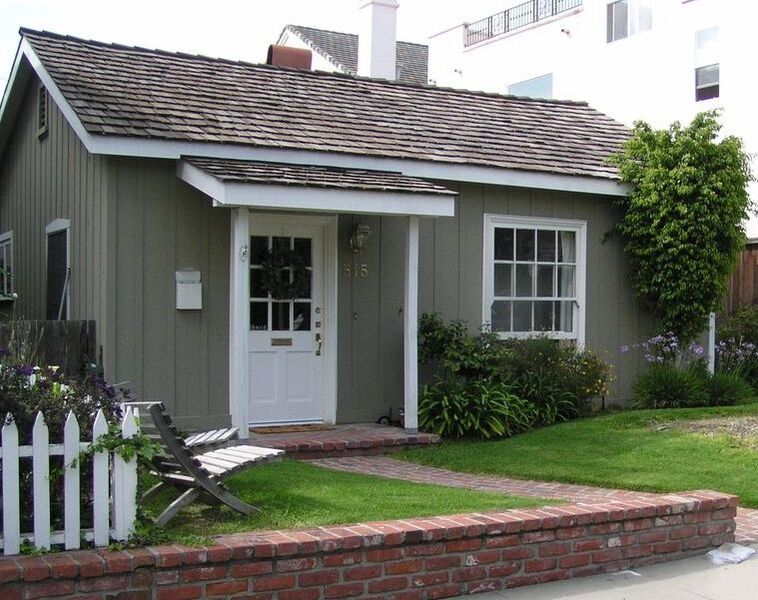
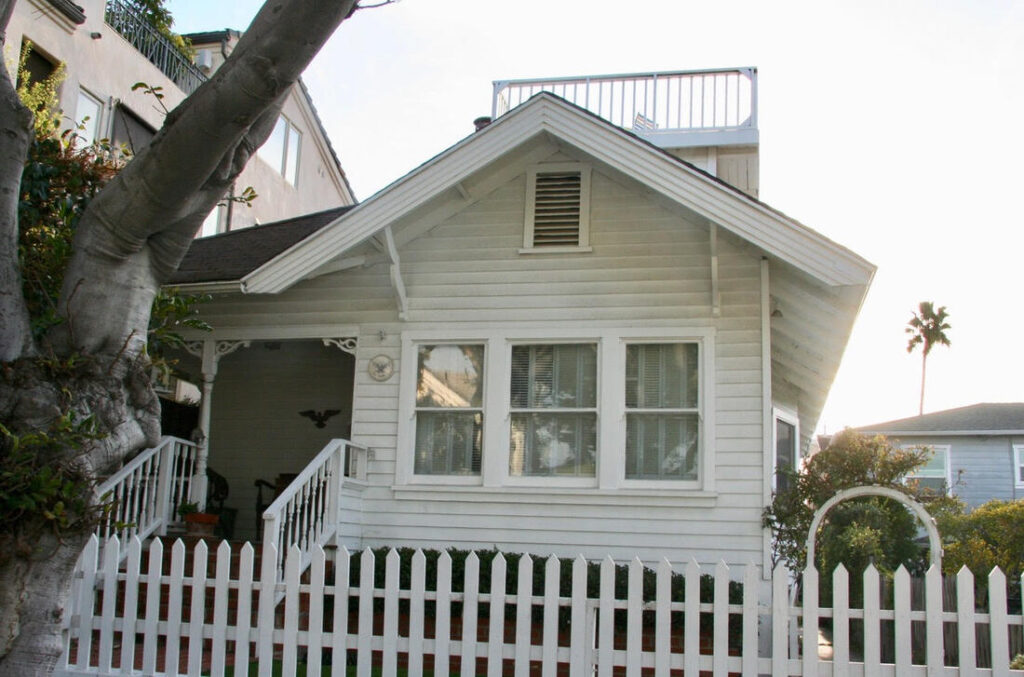
515 Fernleaf Ave., Corona Del Mar, CA (2018); Photo Credit: MLS/Zillow

Larger than it appears from the street, this 1932 cottage is reported to have 3 bedrooms, 2 bathrooms, and 1,400 sq ft.

515 Fernleaf Ave., Corona Del Mar, CA (2018); Photo Credit: MLS/Zillow

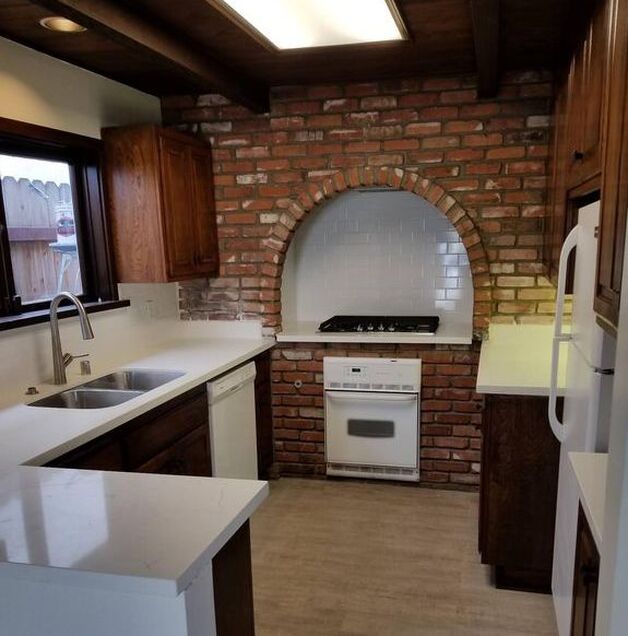
It offers an abundance of charm inside (red brick in the kitchen, dark wood moldings and built-ins throughout) and outside (cedar shake roof, board and batten siding).
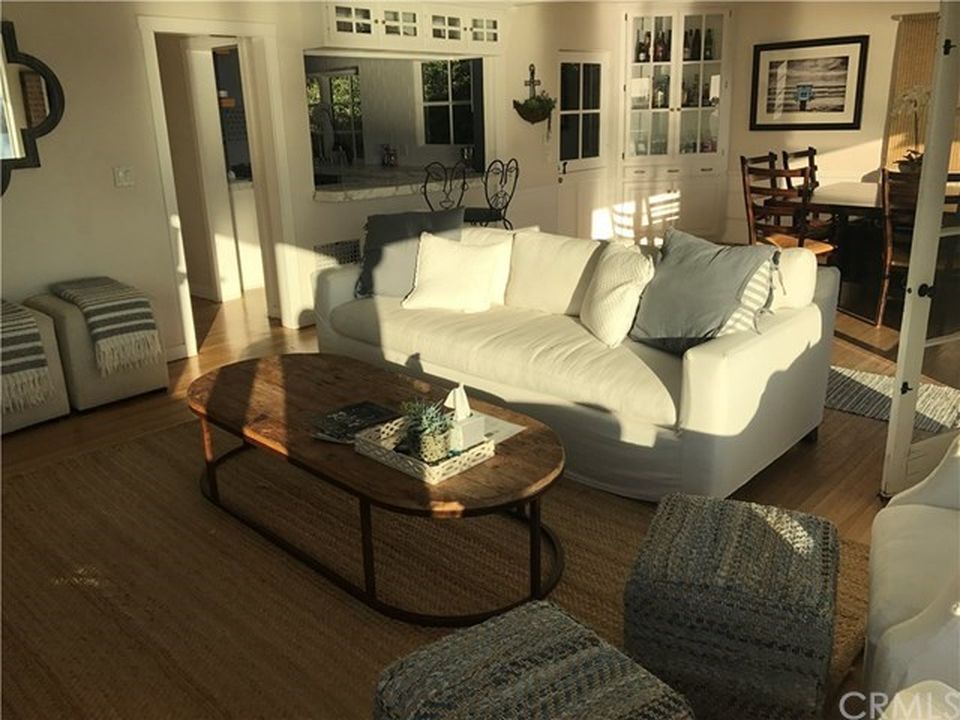
515 Fernleaf Ave., Corona Del Mar, CA (2018); Photo Credit: MLS/Zillow

t was last sold in 2002 for $980K and seems to be rented out in the past few years.

The Grandest Angel of Them All

Picture of Tom Heffernan

Tom Heffernan

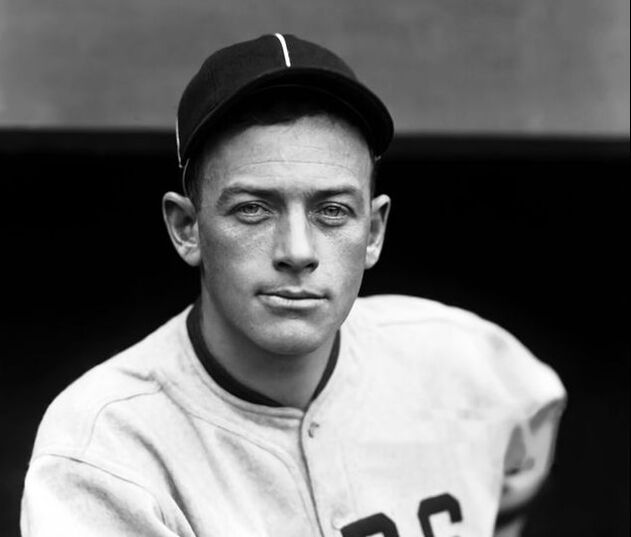
Arnold "Jigger" Statz of the Chicago Cubs in 1924. (Photo by Sporting News via Getty Images)

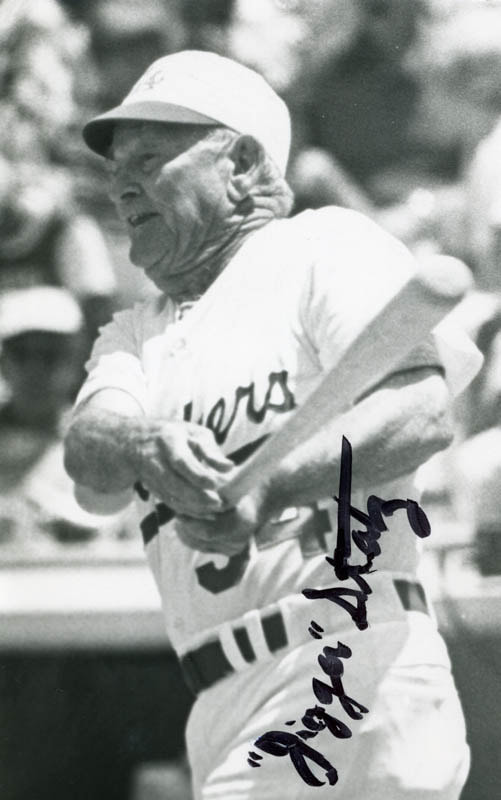
In the headline of his obituary, the Los Angeles Times called him the “Grandest Angel of Them All.”  After a 35-year career in baseball that included 18 seasons in a Los Angeles Angels uniform, Arnold ‘Jigger’ Statz died at home in Corona Del Mar on March 16, 1988 at age 90.  With Mike Trout not born for another three years, the headline was not hyperbole.  To this day, Statz has the 4th most hits as a professional baseball player behind only Pete Rose, Ty Cobb, and Hank Aaron.  Wondering why he isn’t as well known as these three Hall of Famers?  3,356 of his hits came as a member of the Angels back when they played in the Pacific Coast League.

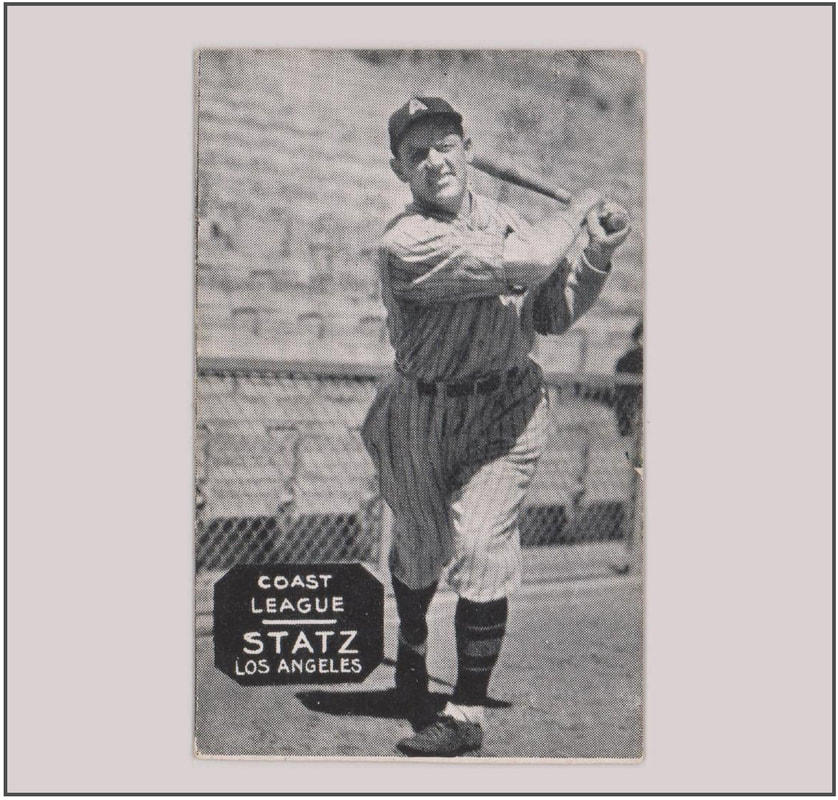
1930 Zee Nut baseball card of Jigger Statz

Statz was born in Waukegan, Illinois and his family briefly lived in Alabama before moving to Massachusetts.  Along the way he earned his nickname from his diminutive size and a mispronunciation of ‘chigger,’ the mite pest.   The 5’7, 150 pound speedster achieved success on the diamond at Holy Cross and signed with the New York Giants after his sophomore year in 1919 and spent 8 seasons in the majors with the Giants (1919-20), Boston Red Sox (1920), Chicago Cubs (1922-25), and Brooklyn Robins (1927-28).  

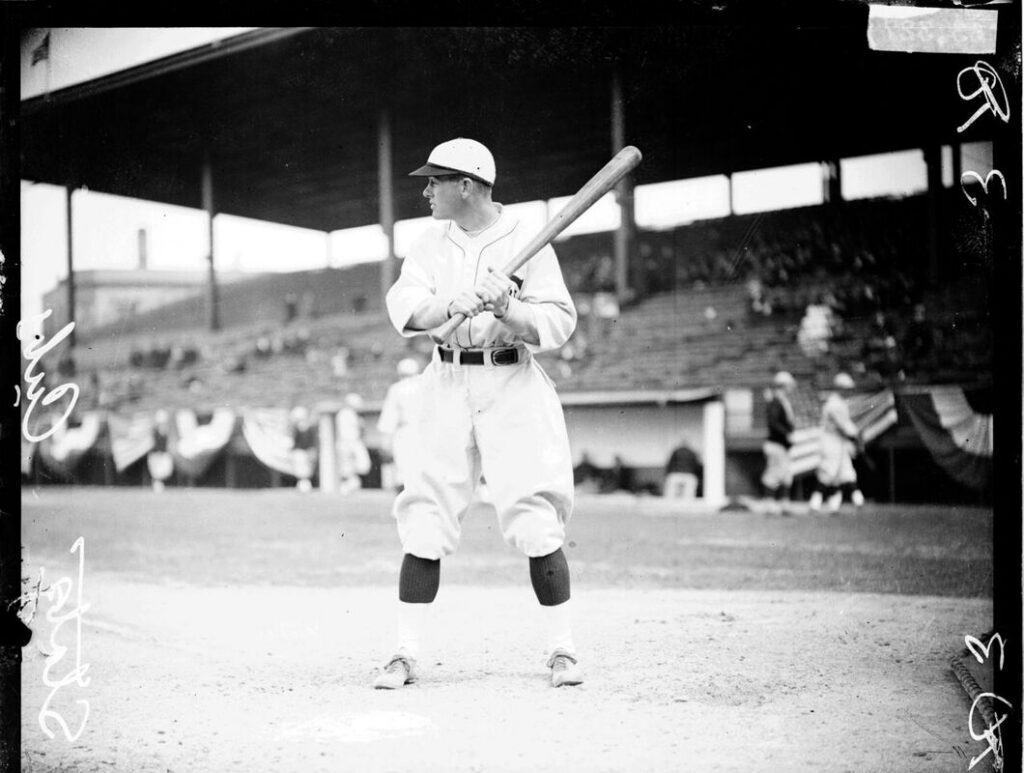
Statz at bat with the Cubs in 1922 at Wrigley Field

His best MLB season was with the Cubs in 1923 when he hit .319 with 209 hits, 10 home runs, and stole 29 bases, while playing a brilliant center field.  In 1926, the Cubs sent him to the PCL and he hit .354 with 291 hits, 68 doubles, 18 triples, and scored 150 runs with an almost perfect fielding percentage of .997.  ​

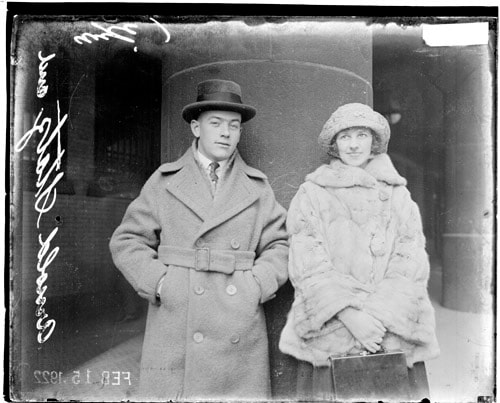
1922 photo taken in Chicago of Statz with his wife, Grace (Downing) Statz. Source: Chicago Daily News negatives collection, Chicago Historical Society.

After playing for Brooklyn, he returned to LA for good in 1929.  He starred as himself in the Paramount film ‘Fast Company’ and played for the Angels until 1942, turning down many opportunities to return to the major leagues to play for the Cubs.  At the time, the Pacific Coast League was the only professional baseball on the West Coast so the quality of play and the salaries were similar to the major leagues. 

“It was a warm climate, the intimate ballparks and the competitive salary that I liked about the Pacific Coast League,” he once explained during a magazine interview. 

He would become a PCL legend, being voted to the All-Century team with Joe DiMaggio, and holding the league records for most games, singles, doubles, triples, runs, putouts, and assists. 

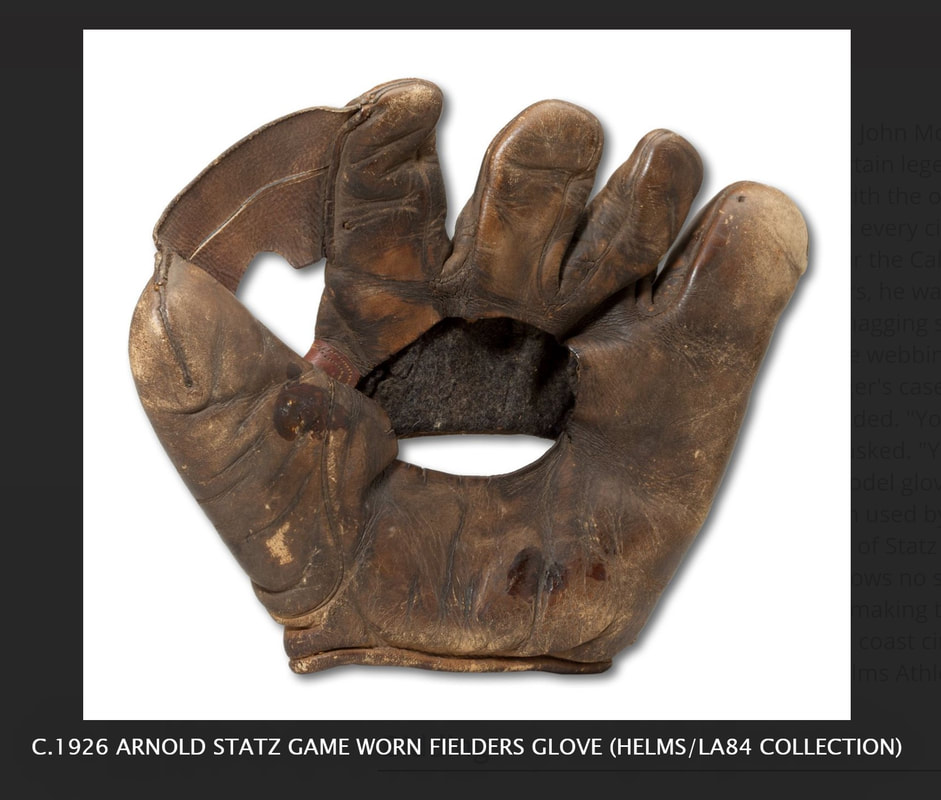
While his 4,000+ hits left his mark on baseball history, he may have been an even better fielder.  Hall of Famer Duke Snider whose career in New York overlapped with Willie Mays and Mickey Mantle called him “the greatest center fielder I ever saw.” Statz was known for his tremendous speed, positioning and that he cut out the palm of his glove to get a better feel for the ball.  

Statz’ game worn glove from 1926 was recently sold at auction.

He finished his career as a player-manager for the last three seasons before retiring in 1942.  He would scout for the Cubs on the west coast for many years and also managed their farm team in Visalia for a couple seasons.  A tremendous golfer who had won many amateur championships before, during and after his baseball career, he was known to golf with billionaire Howard Hughes, a 2 handicap golfer. 

Statz would eventually retire to Leisure World in Laguna Hills in the 1970s and after his wife’s passing, he moved to Wavecrest in Corona Del Mar with family for his final years. 

Statz at bat during Dodgers Old Timer’s Day in 1976 at age 79

1914

Picture of Tom Heffernan

Tom Heffernan

Two of our cottages in the Village date back to 1914 – the same year that WWI started and Babe Ruth made his first appearance in the majors.

348 Dahlia Place (1914)

348 Dahlia Place is now tucked away behind some apartments and is perched over Bayside Dr.  It was located near the first building in Corona del Mar, the Hotel Del Mar and may have been one of two cottages built for the staff.

A block away is 214 Dahlia Ave. which is listed as a 1914 house but according to an interview a few years ago with the owner, it was actually built much earlier and moved from an Irvine bean farm to its current location.  He said that he has a photo of it from 1910 when it was a barn in Irvine (we desperately need a copy of this photo!) but that it may be much older.

214 Dahlia (1910)

Dolphins in CdM

Picture of Tom Heffernan

Tom Heffernan

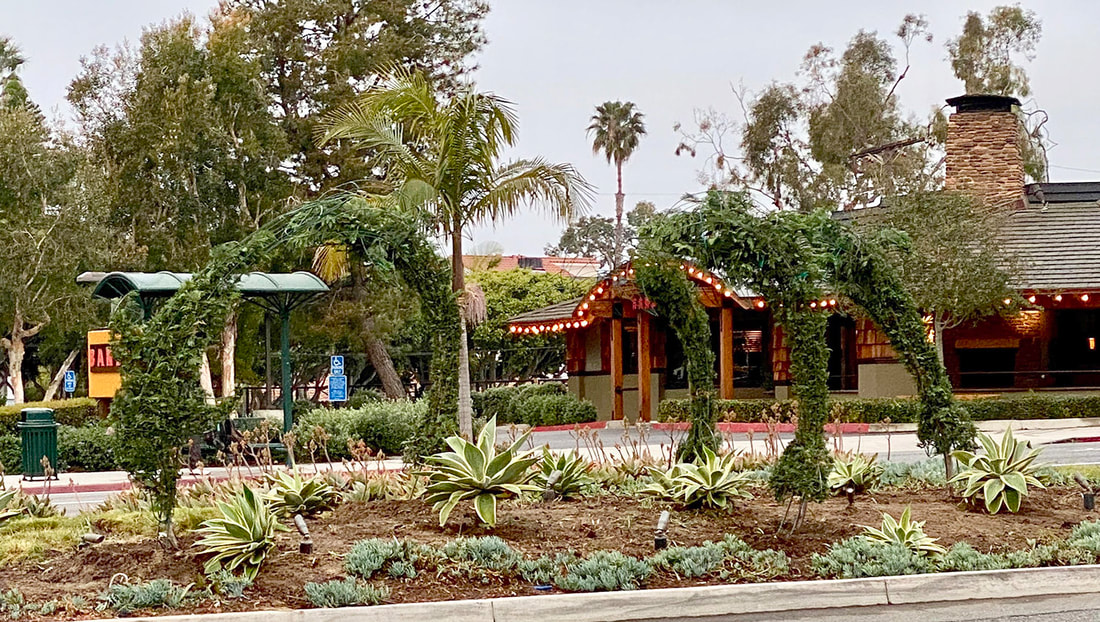
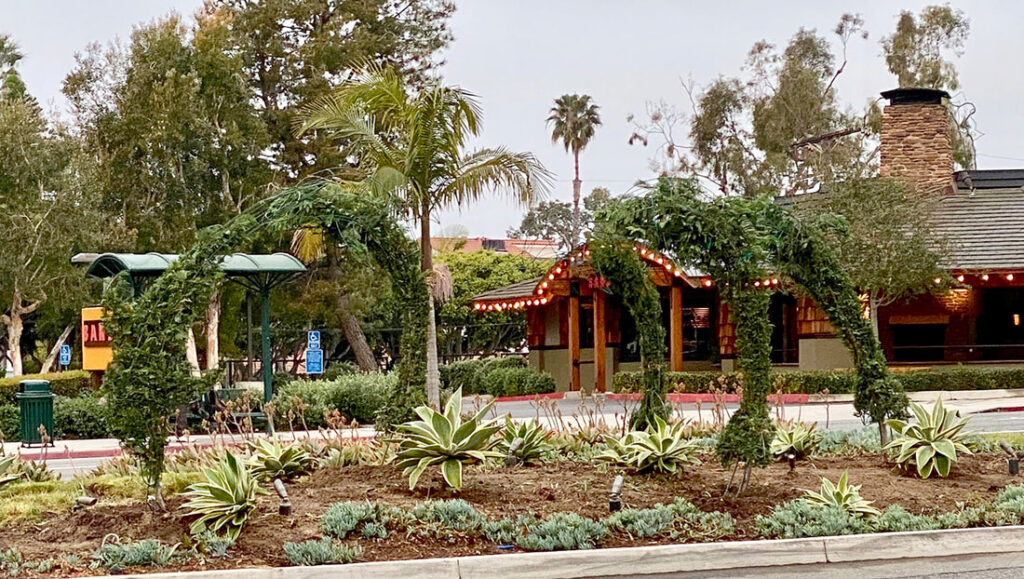
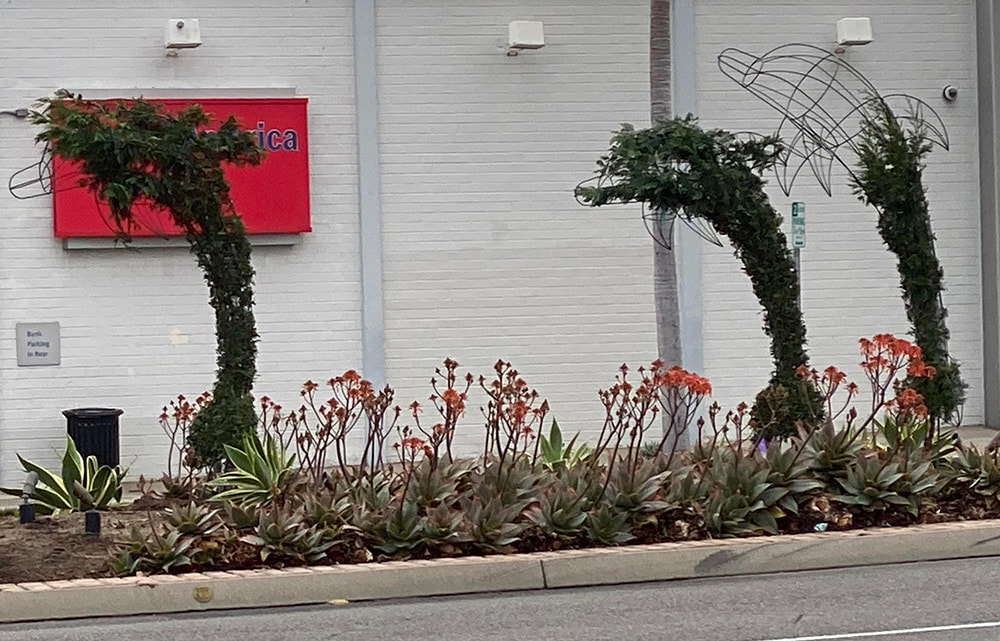
The new dolphins which replaced the previous ones that had outgrown their shape and begun to resemble manatees, were planted last week. (Photo credit: Ron Yeo)

You may have driven by and noticed that we have new ‘skinny’ dolphins in the medians along East Coast Highway at Marguerite. Local artist/architect/historian Ron Yeo was able to fill us in on the history of the dolphins, which goes back 27 years.

Another look at the new dolphins. (Photo: Ron Yeo)

In 1993, the CdM Chamber of Commerce “Flower Power” committee expanded into a committee for “Revitalization”.

The initial thrust of the 1991 “Flower Power” Committee was to encourage residents to plant flowers to match the street name. Begonias on Begonia, Iris on Iris, etc. Chamber President Don Glasgow encouraged the committee made up of Ron Yeo, B.J Johnson, Toni Van Schultze & others to expand their efforts to include improving the commercial business along PCH.

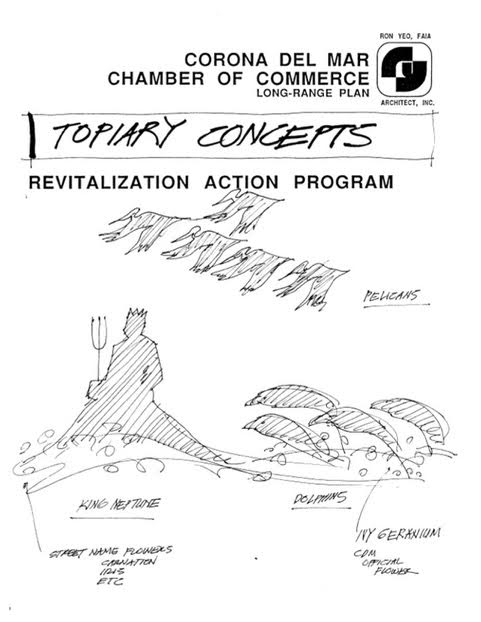
The committee’s plan for revitalization called for improving the Village image to be warm, friendly, inviting, and creative. Some of the initial concepts that were installed included: hand-painted flower banners for each of the streets and the topiary dolphins.

Original sketches for the medians featured a King Neptune leading the dolphins.

Corona del Mar: 1940 & Today

Picture of Tom Heffernan

Tom Heffernan

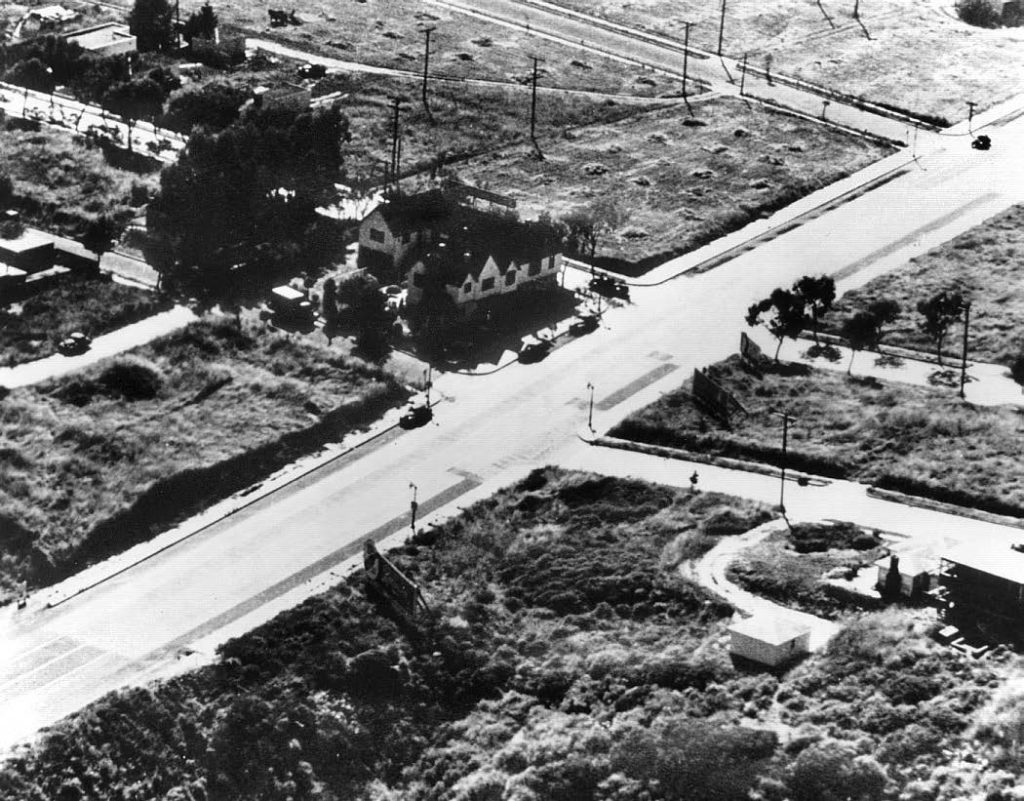
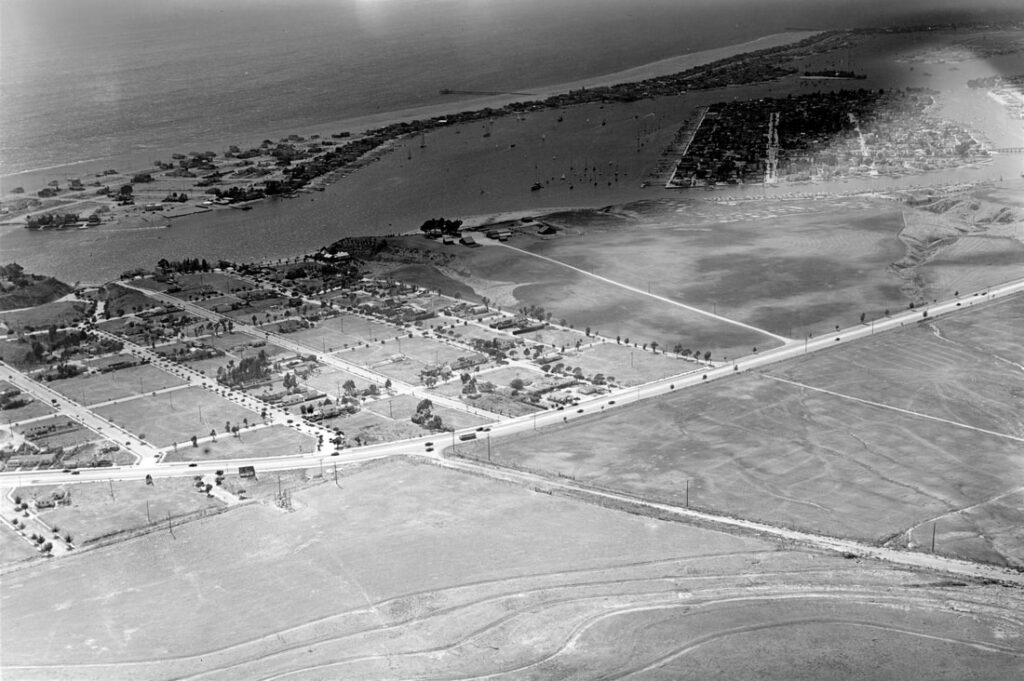
Photo credit: Sherman Library

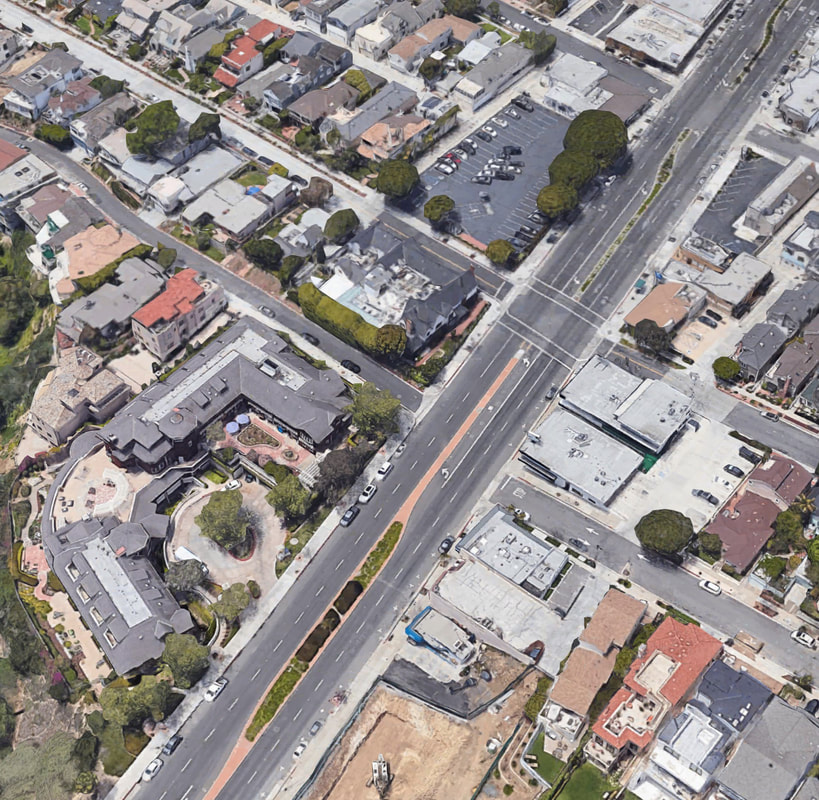
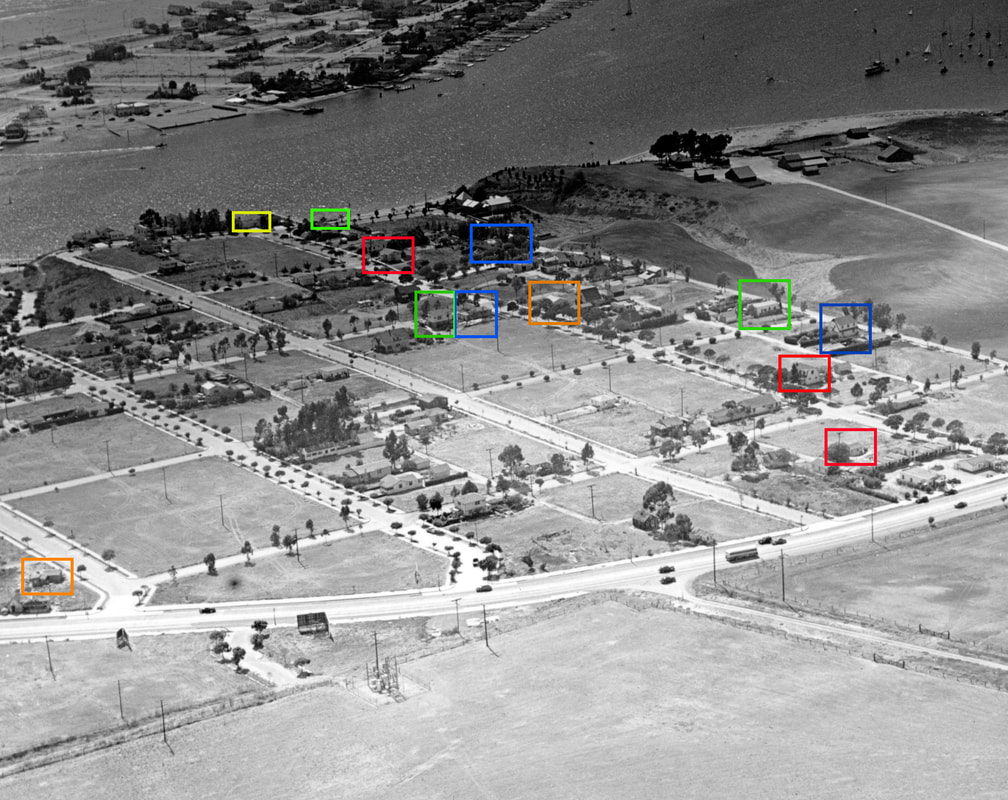
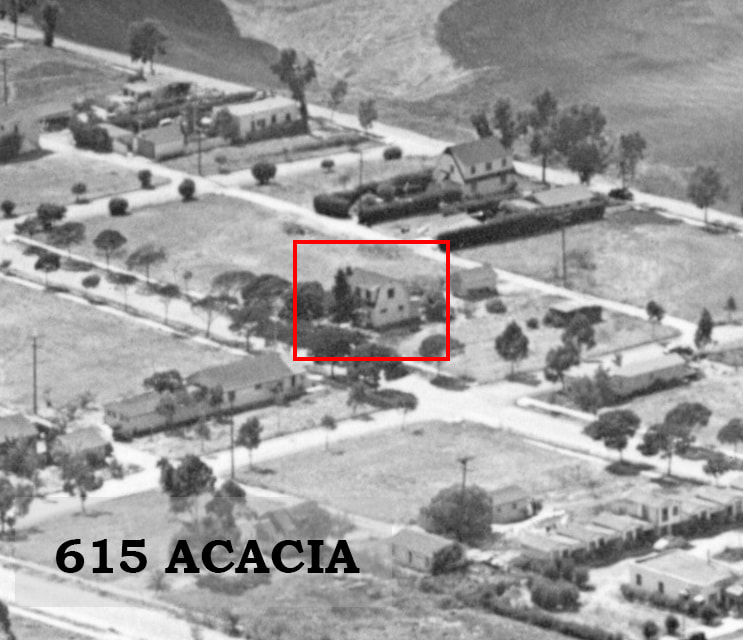
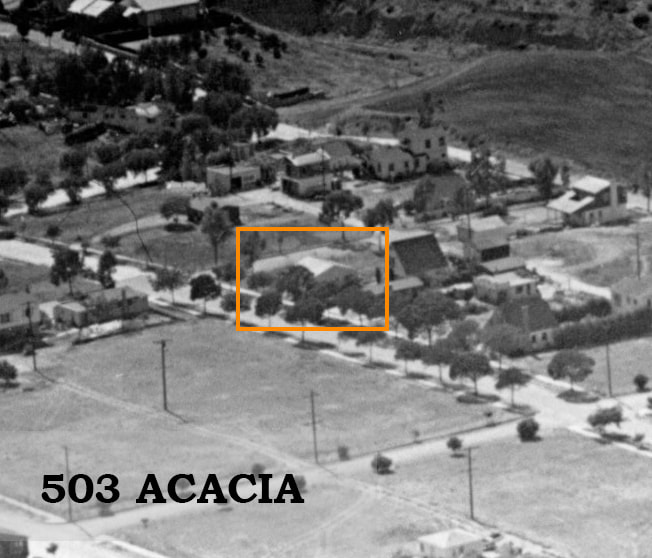
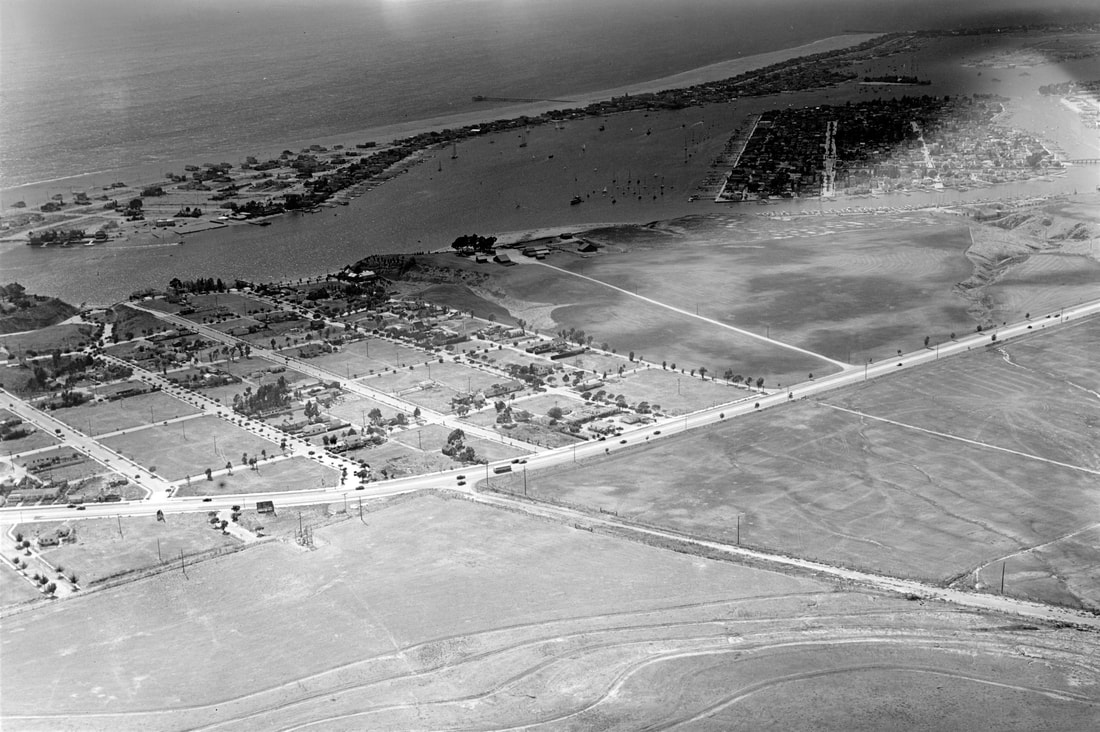
1940 Aerial View of CdM that shows Avocado, Acacia, Begonia, Carnation, and part of Dahlia Ave. With the Big Blue House now gone (can you find it in this photo?), a dozen structures from this 80 year old photo remain today. ​

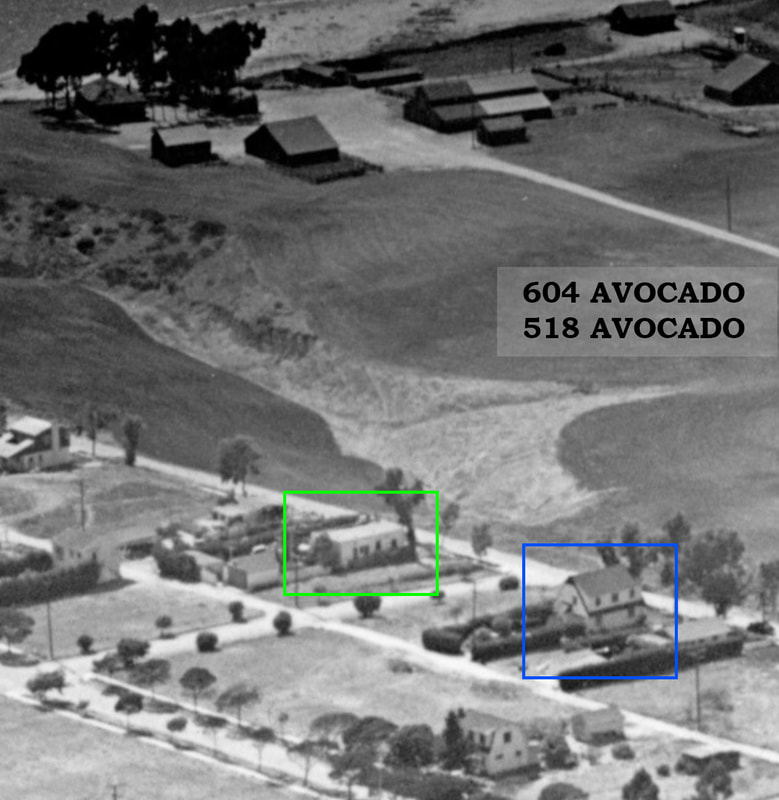
Let’s take a look at each of the 12 remaining buildings, starting at the north end of Avocado. There are 2 surviving homes on Avocado, both built in 1931.  

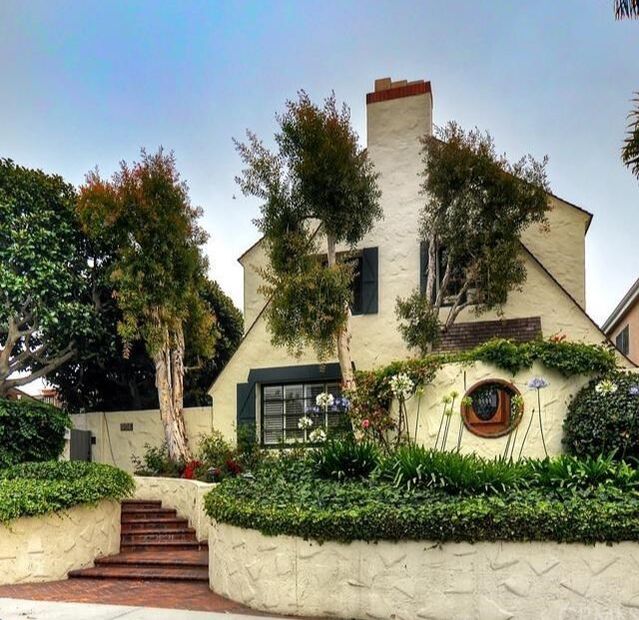
604 Avocado is a unique, storybook style 2 bed / 2 bath two story home that sold in 2015 for $1.5M.  518 Avocado has a distinctive look and is listed as a 2 bed / 1 bath, 1000 sq ft home.  Here is a close-up of them from the aerial view and what they look like today:

604 Avocado, Corona del Mar, CA (2015) Photo: MLS

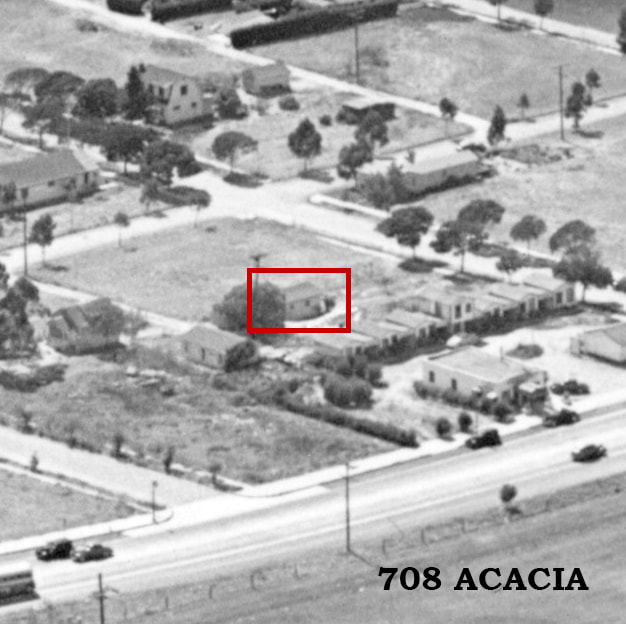
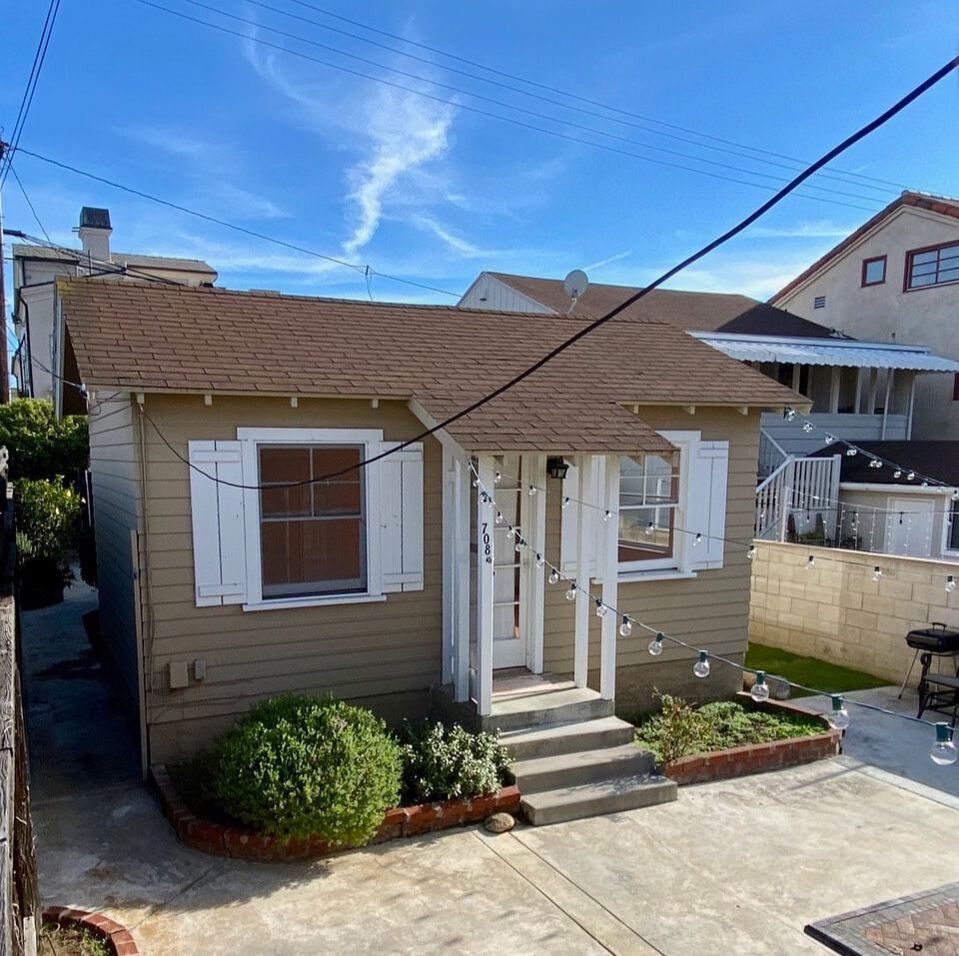
Acacia Avenue has several surviving homes.  We’ll start out by PCH with 708 Acacia Ave. which is somewhat hidden as a back house today but it retains its original look from 1924 and is quietly one of the 10 oldest remaining homes in CdM. 

708 Acacia Ave., Corona Del Mar, CA (2019) Photo by Ron Yeo

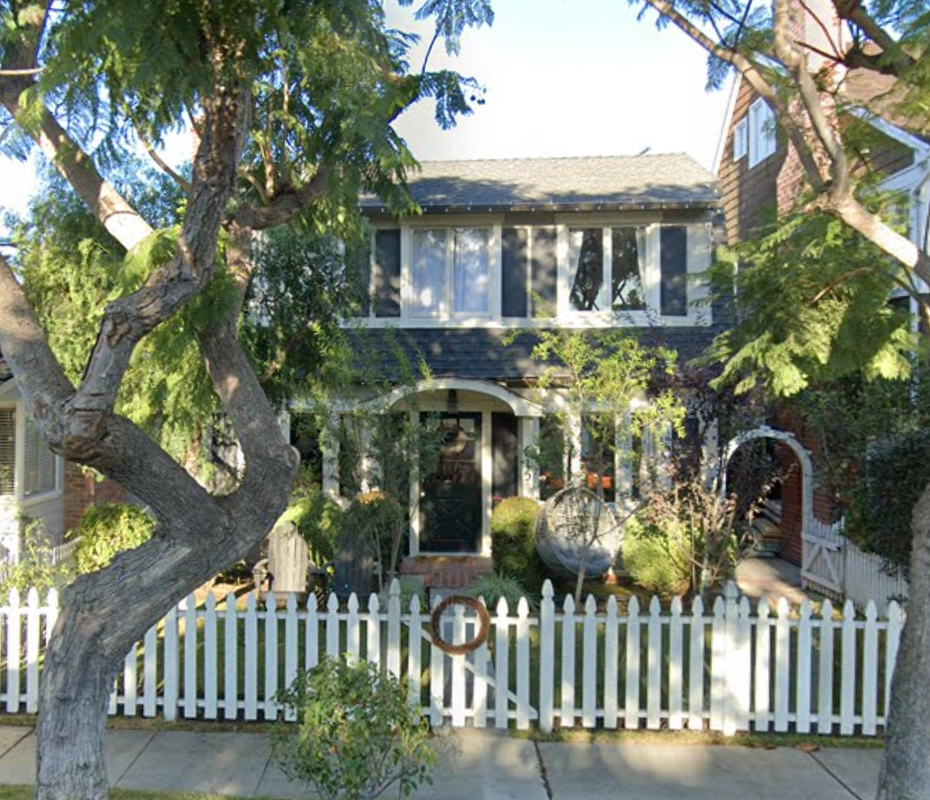
Across the street and down a block, 615 Acacia Ave. was the only house on the odd side of the 600 block of Acacia when it was built in 1940. It maintains its distinctive look today with a large 2nd story dormer and curved arch over the front door entry.

615 Acacia Ave., Corona Del Mar, CA (2018)

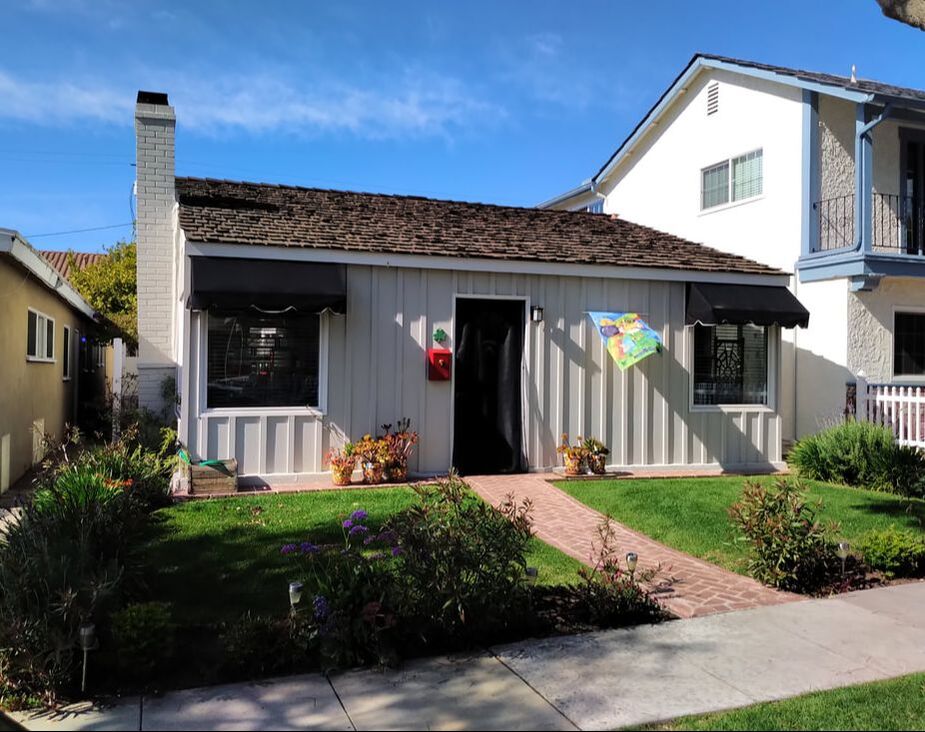
Another block down is 503 Acacia Ave. which was also built in 1940 and retains a very original look today with its cedar shake roof and board and batten siding.

503 Acacia Ave., Corona Del Mar, CA (2020) Photo by CdM Historical Society

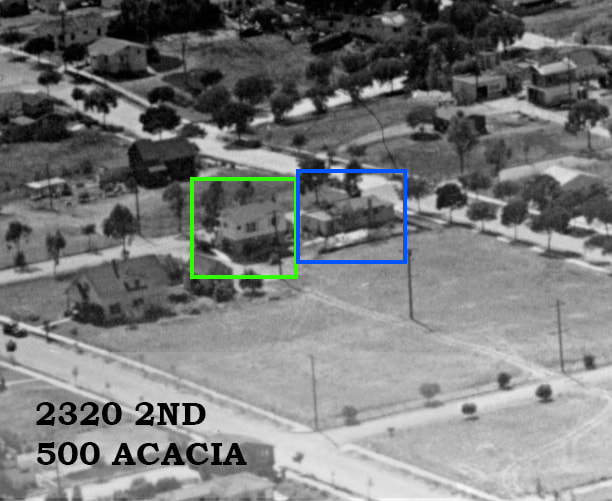
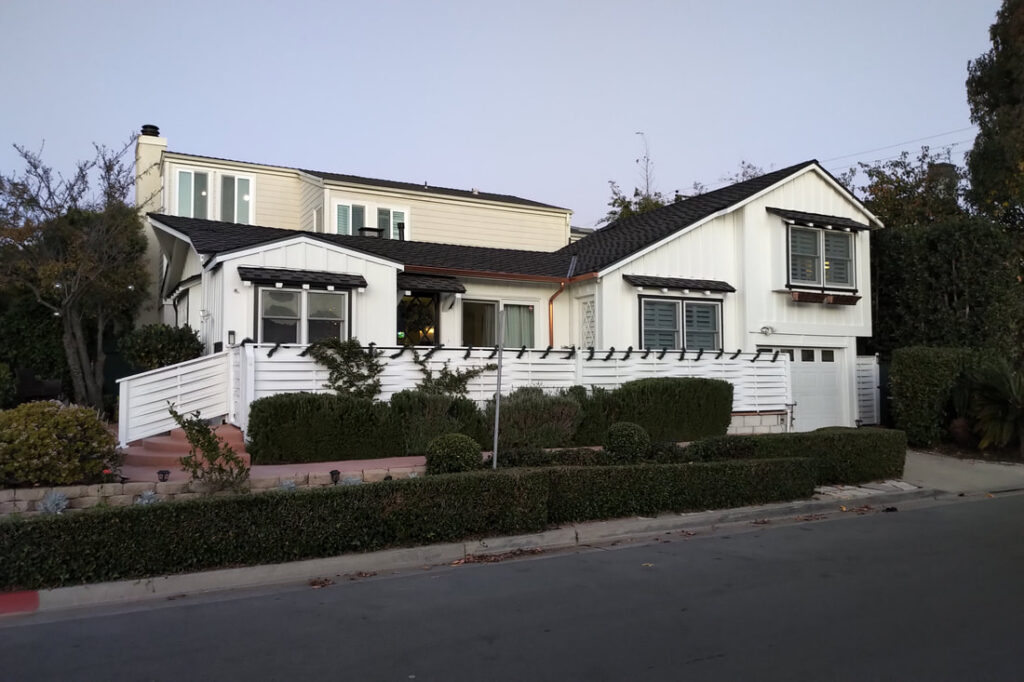
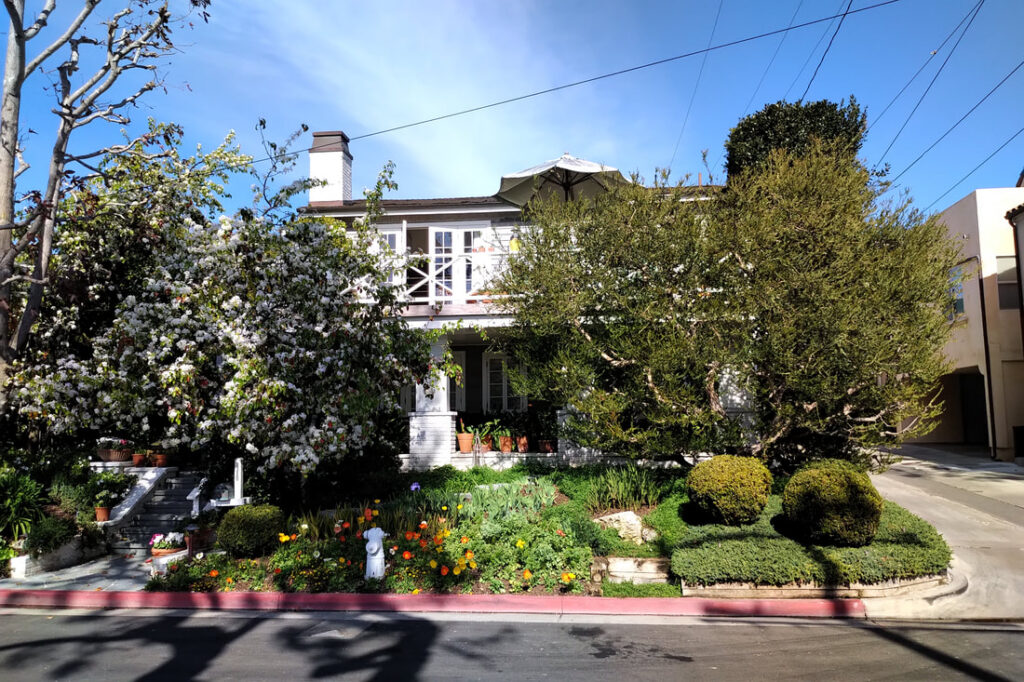
Across the street from 503 Acacia are 2 homes that were once part of the same lot –500 Acacia Ave. & 2320 2nd Ave.  The original owner of the land, the Hayward family who lived in Pasadena, bought that lot and also the lot for 502 Acacia in 1925. In 1934, they built a house at 500 Acacia and then carved up the 2 lots so that their friends in Pasadena, the Clarks, could build a house next door at 2320 2nd in 1936. The lot for the house at 2320 also encompasses a good portion of what would have been the back of the lot at 502 Acacia.

2320 2nd Ave., Corona Del Mar, CA (2020) Photo by CdM Historical Society

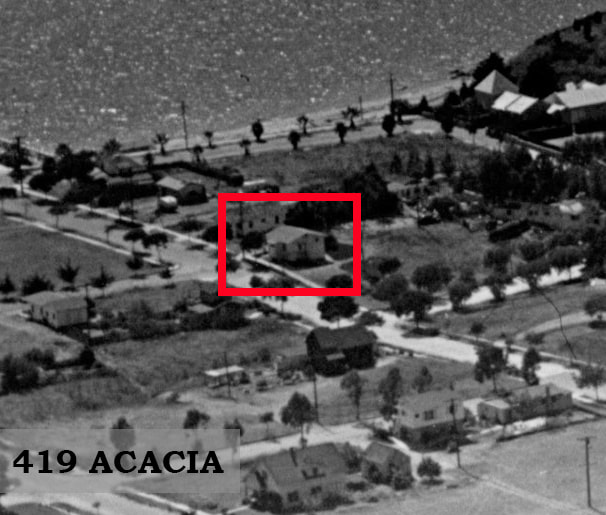
Joining 708 Acacia on the list of the 10 oldest surviving homes in Corona Del Mar is 419 Acacia Ave.  Also built in 1924, it has had very few owners in its 96 years. The Johnson & Harmer families from San Dimas shared ownership of the house from 1927 to 1960 after buying it from Clara Middleton. They sold it to Andrew Campbell, a lifelong resident of San Marino and it remains in the Campbell Family today.

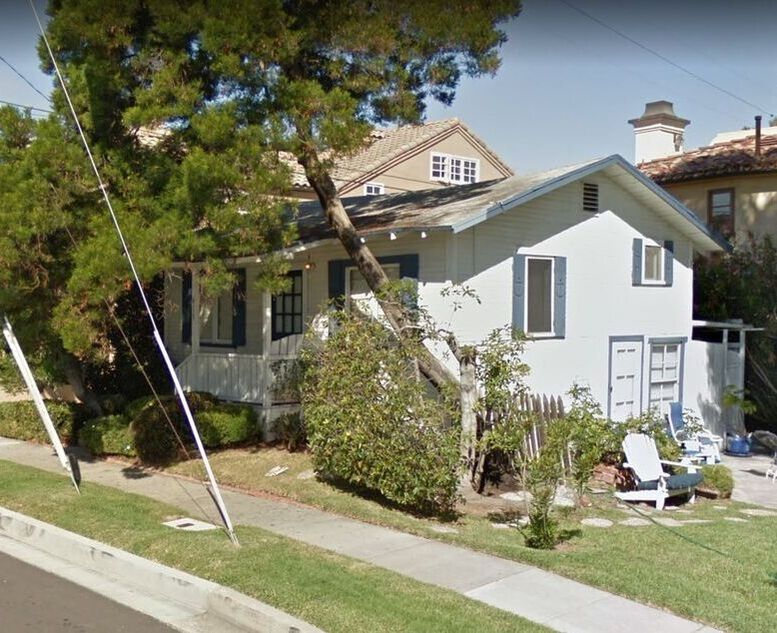
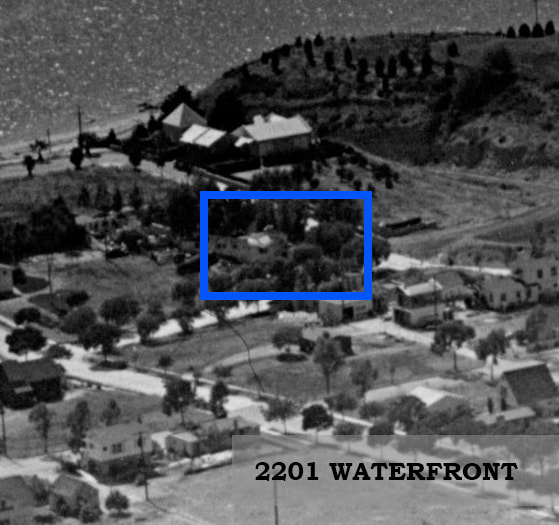
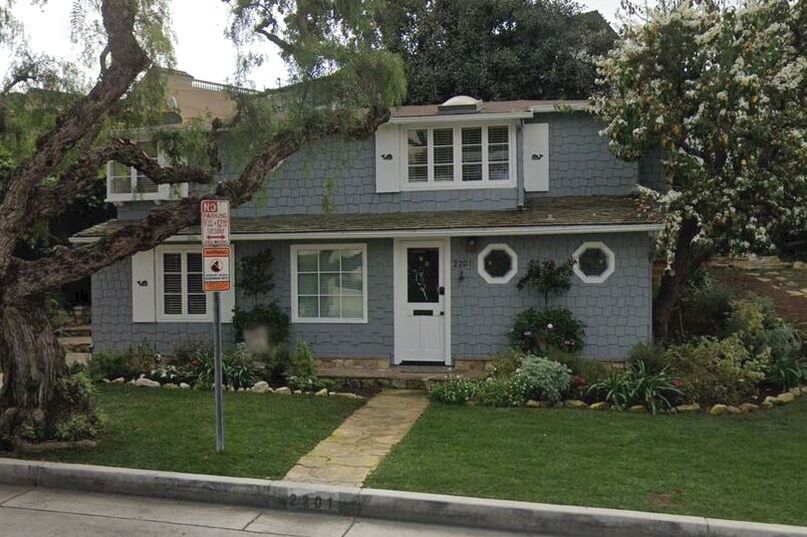
A few lots down from 419 Acacia (the lot extends down the hill to Waterfront), 2201 Waterfront Drive was one of many CdM lots that Newport Beach took possession of for unpaid taxes during the 1930s. Harry Welsh, a drafting engineer for an oil company bought the lot from the city in 1938 and the house was built the following year.  The Welshes would live there for over 30 years.

There are two more pre-1940 survivors on beautiful Pacific Drive which offers some of the best views in Corona Del Mar.

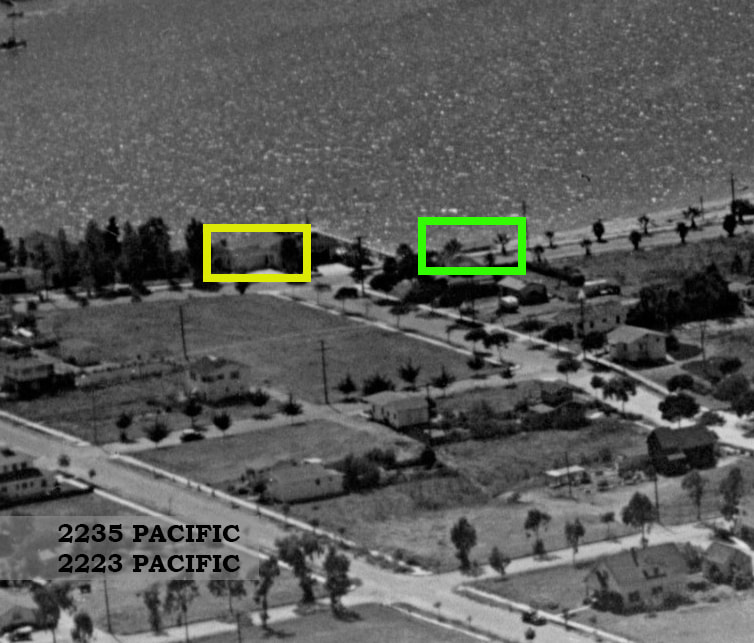
2235 Pacific Drive was built in 1936 and maintains a spectacular view from its position overlooking the bay. The back of the house seems to have a more original look but there appear to be original details and exposed beam ceilings throughout. The 3 BR / 3 BA / 1600 sq ft home sold for $2.45M in 2003 and has been listed as a rental for $15K/mo in the past few years.

2223 Pacific Drive is tucked away below street level on Pacific but still has a very big view for such a small cottage (1 BR / 1 BA / 650sq ft).  Built in 1922, it is one of the 5 oldest surviving homes in CDM and maintains an original look today.

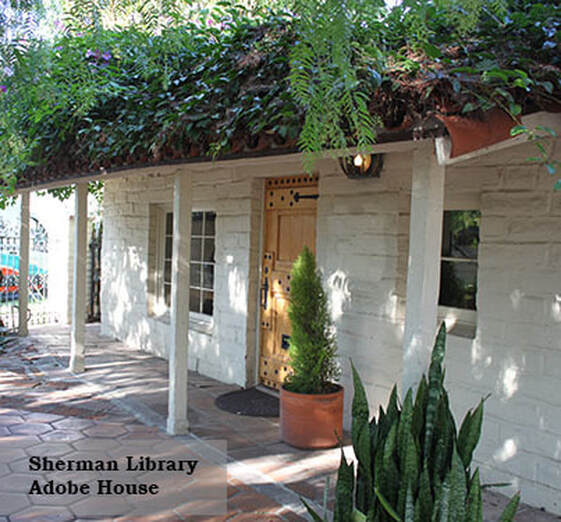
The final surviving structure that we have identified from this 1940 aerial photo is the Sherman Library Adobe House. It was designed and built by Lawrence and Pauline Lushbaugh in 1940. The small, fired-adobe house is now an exhibit room used to highlight some of the Sherman Library’s special collections. To learn more, please visit their website at thesherman.org.